Table of Contents
- Introduction
- Understanding Collagen and Hair Biology
- The Different Types of Collagen
- How Collagen Supports Hair Growth
- Bovine vs. Marine Collagen: Which Is Better?
- The Importance of Hydrolyzed Collagen
- Collagen vs. Biotin: Do You Need Both?
- How to Use Collagen for Maximum Results
- Lifestyle Factors That Impact Hair Growth
- Realistic Expectations for Hair Growth
- Why BUBS Naturals Fits Your Routine
- Conclusion
- FAQ
Introduction
If you have ever noticed more hair than usual in your shower drain or felt your ponytail getting thinner, you are not alone. Hair health is a major concern for many of us as we age or push our bodies through intense training and stress. While there are countless topical treatments, real change often starts with the building blocks you put into your body.
Collagen is a word you likely hear often in wellness circles, usually tied to skin or joint health. However, its role in supporting a strong, resilient mane is equally significant. At BUBS Naturals, we focus on providing clean, science-backed nutrition that fits into an active lifestyle while supporting your body’s natural structures. This guide will explore how collagen works, which specific types help your hair, and how to choose a supplement that actually delivers results.
Understanding which collagen is best for hair growth requires looking at the specific amino acids and types that support the hair follicle and the skin of the scalp. If you want a deeper dive, our guide to what collagen does for hair is a helpful place to start.
Quick Answer: The best collagen for hair growth is a combination of Type I and Type III collagen, typically sourced from grass-fed bovine. These types provide the specific amino acids, like proline, that your body needs to produce keratin, the primary protein that makes up your hair.
Understanding Collagen and Hair Biology
To understand how collagen helps your hair, you first need to know what it is. Collagen is a structural protein made of amino acids. It acts like the "glue" that holds your body together, providing strength to your skin, bones, tendons, and ligaments. It makes up about 30% of the total protein in your body.
Your hair is primarily made of a protein called keratin. While collagen and keratin are different, your body uses several of the same amino acids to build both. When you consume collagen, your body breaks it down into individual amino acids during digestion. These amino acids are then sent where they are needed most. For someone looking to improve their hair, these building blocks help the body produce keratin more efficiently.
The Role of the Dermis
Hair grows out of a follicle, which is rooted in the dermis. The dermis is the middle layer of your skin, and it is made of about 70% collagen. As we age, our bodies produce less collagen, and the dermis can become less resilient.
When the dermis is weak, it may not support the hair follicle as effectively. This can lead to hair thinning or a slower growth rate. By supporting the collagen levels in your skin, you are essentially improving the "soil" in which your hair grows. A healthy, thick dermis provides a better foundation for strong hair.
The Different Types of Collagen
Scientists have identified at least 28 different types of collagen, but the vast majority of the collagen in your body belongs to three main categories. When you are looking for a supplement specifically for hair, you need to know which types to prioritize.
Type I Collagen
This is the most abundant type of collagen in the human body. It is found in your skin, hair, nails, bones, and connective tissues. Type I is incredibly strong and provides the structural integrity needed for a healthy scalp environment. Most high-quality supplements, including BUBS Naturals Collagen Peptides, are rich in Type I.
Type II Collagen
Type II is primarily found in cartilage. It is excellent for supporting joint health and mobility, but it is not the primary player when it comes to hair and skin. It is usually sourced from chicken bone broth. While it has its place in a wellness routine, it shouldn't be your main focus if hair growth is the goal.
Type III Collagen
This type is usually found alongside Type I. It helps give your skin and organs their shape and elasticity. Type III is vital for the health of your scalp and the blood vessels that deliver nutrients to your hair follicles. Bovine collagen is a particularly rich source of both Type I and Type III.
| Collagen Type |
Primary Location |
Best Source |
Main Benefit for Hair |
| Type I |
Skin, Hair, Nails, Bones |
Bovine, Marine |
Structural strength and building blocks for keratin |
| Type II |
Cartilage, Joints |
Chicken |
General protein support and joint cushioning |
| Type III |
Skin, Organs, Vessels |
Bovine |
Scalp health and skin elasticity |
Key Takeaway: For targeted hair support, a supplement containing both Type I and Type III collagen is the most effective choice. These types work together to strengthen the scalp and provide the necessary amino acids for hair protein production.
How Collagen Supports Hair Growth
Collagen does more than just provide raw materials for protein. It serves several functional roles that keep your hair looking thick and healthy.
1. Providing Amino Acids for Keratin
Hair is mostly made of the protein keratin. Your body needs several amino acids to build keratin, and collagen is particularly rich in three of them: proline, glycine, and hydroxyproline. Proline, in particular, is a main component of keratin. By consuming hydrolyzed collagen, you give your body a readily available supply of these specific aminos, making the hair-building process easier.
2. Fighting Follicle Damage
Free radicals are unstable molecules that can damage your cells, including your hair follicles. They are caused by things like stress, air pollution, smoking, and poor diet. As you age, your hair follicles become more susceptible to this oxidative stress.
Collagen may act as an antioxidant. Many users report that regular supplementation helps protect the follicles from damage, which can prevent premature thinning. By keeping the follicle healthy, you allow the hair to grow through its full cycle without being cut short by environmental damage.
3. Supporting the Scalp Environment
As mentioned, the dermis is the layer of skin where your hair is rooted. If this layer is thin or dehydrated, your hair may become brittle. Collagen helps maintain the elasticity and moisture levels of the dermis. When your scalp is healthy and well-hydrated, your hair follicles are better equipped to produce strong strands of hair.
For another perspective on the hair-focused benefits of collagen, you can also read our collagen and hair guide.
Bottom line: Collagen provides the internal structure for your scalp and the chemical building blocks for the hair itself, creating a two-pronged approach to growth and strength.
Bovine vs. Marine Collagen: Which Is Better?
When you shop for a supplement, you will likely choose between bovine (cow) and marine (fish) sources. Both can be effective, but they have different profiles.
Bovine Collagen
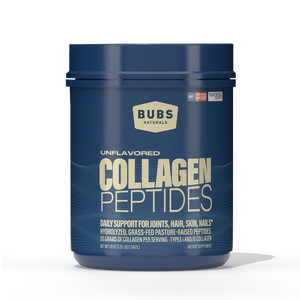
Bovine collagen is typically extracted from cow hides. It is naturally high in both Type I and Type III collagen. Because it offers this dual-type support, it is often considered the best all-around choice for hair, skin, and nails. Our Collagen Peptides at BUBS Naturals are sourced from grass-fed, pasture-raised bovine to ensure the cleanest possible profile.
Marine Collagen
Marine collagen comes from fish scales and skin. It is almost entirely Type I collagen. Because the molecules are slightly smaller, some believe it has higher bioavailability, meaning it is absorbed faster. It is a great option for those who do not eat beef, but it lacks the Type III support found in bovine sources.
Which to Choose?
If you want the most comprehensive support for hair, grass-fed bovine collagen is usually the winner. It provides the Type III collagen that supports the scalp's structure while delivering the Type I collagen needed for the hair strands.
Myth: Marine collagen is always better because it absorbs faster.
Fact: While marine collagen has smaller molecules, high-quality hydrolyzed bovine collagen is also broken down into "peptides" that are extremely easy for the body to absorb. The best choice depends more on the collagen types (I and III) than the speed of absorption alone.
The Importance of Hydrolyzed Collagen
You might see the term "hydrolyzed" on supplement labels. This is a critical detail. In its natural state, collagen is a very large, tough molecule that is hard for your body to break down. This is why you cannot just eat a piece of leather and expect better hair.
Hydrolysis is a process that uses water to break down these long chains of protein into smaller pieces called peptides. These peptides are "bioavailable," which means they can easily pass through the wall of your gut and enter your bloodstream. Once in the blood, they travel to your skin and hair follicles to get to work.
At BUBS Naturals, we ensure our collagen is fully hydrolyzed so it mixes instantly into any liquid and is ready for your body to use immediately. This is a "no BS" approach to supplementation—simple, effective, and easy to digest.
Collagen vs. Biotin: Do You Need Both?
Biotin (Vitamin B7) is another popular supplement for hair. Many people wonder if they should take one or the other. The reality is that they do different jobs.
Biotin helps your body convert nutrients into energy and supports the production of keratin. However, biotin is a co-enzyme, not a building block. If you have plenty of biotin but not enough amino acids, your body still lacks the raw materials it needs to build hair.
Collagen provides the actual building blocks (amino acids). Taking them together can be very effective. Biotin acts like the construction crew, while collagen is the lumber and bricks. Both are necessary to build a strong house.
How to Use Collagen for Maximum Results
Consistency is the most important factor when taking collagen for hair growth. You are not going to see a difference overnight. Hair growth is a slow process, and it takes time for your body to incorporate these new nutrients into the growth cycle.
Recommended Dosage
Most studies suggest that taking between 10 and 20 grams of collagen per day is effective for seeing improvements in skin and hair. One scoop of a high-quality powder usually falls within this range.
Timing and Versatility
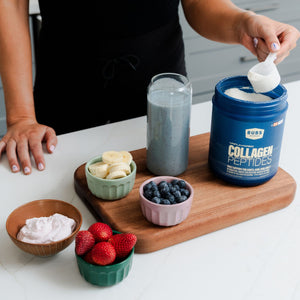
One of the best things about hydrolyzed collagen is how easy it is to use. Because it is unflavored and dissolves easily, you can add it to:
- Your morning coffee
- Post-workout protein shakes
- Smoothies
- Oatmeal or yogurt
- Even plain water
We design our products to mix effortlessly. Whether you are at home or on a rucking trip, you shouldn't have to fight with clumps in your drink.
What to Look For in a Supplement
Not all collagen is created equal. To get the best results for your hair, look for these three things:
-
Grass-Fed and Pasture-Raised: This ensures the animals were healthy and free from unnecessary hormones or antibiotics.
-
Third-Party Tested: Look for certifications like NSF for Sport. This means the product has been tested for purity and contains exactly what it says on the label.
-
Single Ingredient: Avoid fillers, artificial sweeteners, and "flavoring" that can cause bloating or unwanted side effects.
Lifestyle Factors That Impact Hair Growth
While collagen is a powerful tool, it works best when supported by a healthy lifestyle. If you are doing things that actively damage your hair, a supplement can only do so much.
Diet and Hydration
Your hair needs a variety of vitamins and minerals. Make sure you are getting enough:
-
Iron: Low iron is a leading cause of thinning hair, especially in women.
-
Vitamin C: This vitamin is essential for your body to actually produce its own collagen.
-
Zinc: This mineral plays a role in hair tissue growth and repair.
We recommend drinking plenty of water as well. Dehydration can make your hair brittle and prone to breakage. If you struggle with hydration during workouts, using a clean electrolyte supplement can help keep your tissues—including your scalp—hydrated. Our Hydrate or Die Electrolytes are built for that kind of support.
Manage Stress
High levels of cortisol (the stress hormone) can push hair follicles into a "resting" phase, meaning they stop producing new hair. This is why many people experience hair loss after a major life stressor or physical trauma. Practices like regular exercise, adequate sleep, and mindfulness can help keep your hormones in check. For more on hydration support during recovery, see how electrolytes support the body.
Minimize Damage
Be gentle with your hair. Excessive heat styling, harsh chemical treatments, and even tight hairstyles can cause physical breakage. If the hair breaks off at the shaft, it won't matter how fast it's growing from the root.
Note: If you are experiencing sudden or extreme hair loss, it is always a good idea to consult with a healthcare professional. Hair thinning can sometimes be a sign of underlying issues like thyroid imbalance or autoimmune conditions that require medical attention.
Realistic Expectations for Hair Growth
It is important to be patient. Hair typically grows about half an inch per month. When you start a collagen routine, you are supporting the new hair that hasn't even emerged from the scalp yet.
Many people report noticing a difference in the strength and shine of their hair after 4 to 8 weeks of consistent use. Significant changes in thickness or "fullness" usually take 3 to 6 months. Think of it like training for a marathon—the results come to those who show up every day.
Key Takeaway: Collagen is a long-term investment in your health. Stick with a daily routine for at least 90 days to accurately judge how it is working for you.
Why BUBS Naturals Fits Your Routine
Our approach to wellness is rooted in the legacy of Glen "BUB" Doherty, a Navy SEAL who lived a life of adventure and peak performance. We believe that your supplements should be as tough and reliable as you are. You can learn more about that mission on our story page.
We don't use fillers or complicated chemical formulas. Our Collagen Peptides are a single-ingredient product designed to support your joints, skin, and hair without any extra "BS." We focus on quality because we know that when you feel better, you can do more—whether that’s hitting a new personal record in the gym or just feeling more confident when you look in the mirror.
By choosing a clean, grass-fed bovine source, you are giving your hair the exact types of collagen (I and III) it needs to thrive.
Conclusion
Choosing which collagen is best for hair growth doesn't have to be complicated. By focusing on Type I and Type III hydrolyzed bovine collagen, you provide your body with the specific amino acids and structural support needed for a healthy scalp and strong hair strands. Remember that consistency is your greatest ally. Pair your supplementation with a protein-rich diet, stress management, and gentle hair care to see the best results.
- Prioritize Type I and III collagen for hair and scalp health.
- Use hydrolyzed peptides for better absorption.
- Stay consistent with a daily dose of 10–20 grams.
- Support your routine with a healthy, active lifestyle.
In honor of Glen’s legacy, we donate 10% of all our profits to veteran-focused charities. If you want to learn more about that commitment, explore our 10% Rule and brand mission. When you choose us, you aren't just supporting your own wellness—you're supporting a greater mission. Feel the difference that clean, purposeful nutrition can make for your hair and your overall performance.
FAQ
Which type of collagen is best for hair?
Type I and Type III are considered the best for hair because they provide the structural support for the skin and the amino acids necessary for keratin production. These are most commonly found in high-quality bovine collagen supplements.
How long does it take for collagen to help hair growth?
Most people begin to see changes in hair texture and shine within 4 to 8 weeks, but significant growth and thickness improvements usually require 3 to 6 months of consistent daily use.
Is marine or bovine collagen better for hair?
Bovine collagen is often preferred for hair because it contains both Type I and Type III collagen, whereas marine collagen is primarily Type I. Having both types helps support both the hair strand itself and the health of the scalp.
Can I take collagen and biotin together?
Yes, taking collagen and biotin together is safe and often recommended. Biotin helps the body process nutrients to build keratin, while collagen provides the actual amino acids needed for that construction.