Table of Contents
- Understanding Collagen: What Is It?
- The Decline of Collagen Production
- When Should We Start Taking Collagen?
- The Benefits of Collagen Supplementation
- How to Take Collagen
- Lifestyle Factors That Affect Collagen Levels
- Conclusion
From Hollywood stars to fitness enthusiasts, collagen supplements have become a staple in many wellness routines. But what exactly is collagen, and when should we start incorporating it into our daily lives? This question is more than just a passing trend; it holds significance for anyone looking to maintain overall health and vitality as they age.
Collagen is the most abundant protein in our bodies, providing structure, strength, and elasticity to our skin, bones, tendons, and cartilage. Unfortunately, our natural collagen production begins to decline around the age of 20, and this decline accelerates as we reach our 30s and beyond. As collagen levels decrease, many of us start to notice the visible signs of aging, such as wrinkles, sagging skin, and joint discomfort.
In this blog post, we’ll explore the relationship between age and collagen levels, the benefits of collagen supplementation, and the best practices for incorporating it into our daily routine. By the end, you'll have a clear understanding of when to start taking collagen and how it can support your wellness journey.
Understanding Collagen: What Is It?
Collagen is a group of proteins that act like the scaffolding for our bodies, forming connective tissues that provide support and structure. It accounts for about one-third of the total protein content in our bodies and is a crucial component of skin, bones, muscles, tendons, and cartilage.
How Collagen Works
-
Structural Support: Collagen fibers create a network that holds tissues together, contributing to skin elasticity and strength.
-
Repair and Regeneration: Collagen plays a key role in repairing tissues and regenerating cells, which is vital for recovery after injury or exercise.
-
Hydration and Texture: Collagen helps maintain skin hydration and texture, keeping it smooth and youthful.
The Decline of Collagen Production
As we age, our bodies produce less collagen. Here are some key points regarding collagen production:
-
Aging Process: Collagen production starts to decline at approximately 1% per year after the age of 20.
-
Impact of Menopause: Women can lose up to 30% of their skin's collagen in the five years following menopause.
-
Lifestyle Factors: Factors such as excessive sun exposure, smoking, poor diet, and lack of sleep can accelerate collagen loss.
Understanding these factors highlights the importance of proactive measures, such as collagen supplementation, to help mitigate the effects of aging.
When Should We Start Taking Collagen?
The Ideal Age
Most experts recommend that individuals consider starting collagen supplements in their mid-20s. This is when collagen production begins to wane noticeably, and incorporating collagen into your routine can help maintain skin elasticity and overall joint health.
Signs That You Might Need Collagen
You might want to consider starting collagen supplementation if you experience:
-
Visible Signs of Aging: Increased wrinkles, sagging skin, or dry skin.
-
Joint Pain: Discomfort or stiffness, especially after physical activity.
-
Weakened Hair and Nails: Brittle nails or thinning hair.
If you identify with any of these signs, it may be time to explore how collagen can support your wellness journey.
The Benefits of Collagen Supplementation
Integrating collagen supplements into our daily routine can offer various health benefits:
-
Skin Health: Collagen can help improve skin elasticity and hydration, reducing the appearance of wrinkles.
-
Joint Support: It may aid in reducing joint pain and discomfort, promoting better mobility.
-
Muscle Mass: Collagen supplements can support muscle growth and recovery, especially after workouts.
-
Hair and Nail Strength: Regular intake can lead to stronger hair and nails.
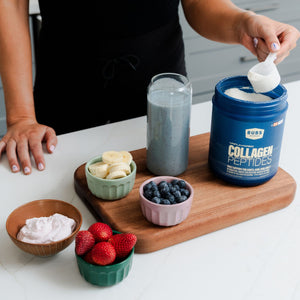
At BUBS Naturals, we believe in a life of adventure, wellness, and purpose. Our commitment to clean, high-quality ingredients is reflected in our Collagen Peptides, which are designed to support your active lifestyle effortlessly.
How to Take Collagen
Types of Collagen Supplements
There are several forms of collagen supplements available, including:
-
Hydrolyzed Collagen: Also known as collagen peptides, this form is broken down into smaller peptides for easier absorption.
-
Collagen Powder: Can be mixed into beverages or foods, making it a versatile option.
-
Capsules: A convenient choice for on-the-go supplementation.
When to Take Collagen
The timing of collagen intake can also be important for maximizing its benefits:
-
Morning: Taking collagen in the morning can be beneficial, especially if mixed into your morning coffee or smoothie.
-
Post-Workout: Consuming collagen after exercise may support muscle recovery and joint health.
-
Before Bed: Some individuals prefer taking collagen at night, as the body repairs itself during sleep.
How to Incorporate Collagen Into Your Diet
Incorporating collagen into your daily routine is simple:
-
Mix Powder: Add our Collagen Peptides to your smoothies, coffee, or baking recipes.
-
Combine with Vitamin C: Pair collagen with vitamin C-rich foods to boost its effectiveness in collagen synthesis.
-
Stay Consistent: Aim for a daily intake to experience long-term benefits.
Lifestyle Factors That Affect Collagen Levels
While supplementation is crucial, certain lifestyle choices can also help maintain collagen levels:
-
Healthy Diet: Incorporate foods rich in protein, vitamins C and E, and antioxidants, which support collagen production.
-
Stay Hydrated: Drinking plenty of water is essential for maintaining skin elasticity.
-
Protect Your Skin: Use sunscreen to protect against UV damage, which can break down collagen.
-
Avoid Smoking and Excessive Alcohol: These habits can accelerate collagen loss.
Conclusion
Understanding when and how to start taking collagen can empower you to maintain a youthful appearance and support overall wellness. By considering your age, lifestyle, and personal health goals, you can make informed decisions about incorporating collagen into your routine.
At BUBS Naturals, our mission is to support your active lifestyle with clean, effective products. Our Collagen Peptides are designed to fit seamlessly into your life, allowing you to focus on what you love—adventure and wellness.
Remember, while collagen supplementation can be beneficial, it's essential to combine it with a healthy lifestyle for the best results.
FAQ
Q: Are there any side effects of taking collagen?
A: Collagen supplements are generally well-tolerated, but it's always recommended to consult with a healthcare professional before starting any new supplement regimen.
Q: How long does it take to see results from collagen supplements?
A: While individual results may vary, many users report noticeable improvements in skin elasticity and joint comfort within 4 to 8 weeks of consistent use.
Q: Can I get collagen from food?
A: Yes, collagen can be found in animal products, particularly in connective tissues like bone broth, chicken skin, and fish. However, collagen supplements may provide a more concentrated source.
Q: Do I need to take collagen forever?
A: While ongoing supplementation can help maintain collagen levels, it’s essential to evaluate your personal health needs and adjust as necessary.
Q: How do I know if I’m taking the right type of collagen?
A: Look for hydrolyzed collagen or collagen peptides, which are more easily absorbed by the body. At BUBS Naturals, our Collagen Peptides are designed for optimal absorption and effectiveness.