Table of Contents
- Introduction
- The Foundation: What Is Collagen?
- The Different Types of Collagen Explained
- Why Type I and Type III Are Best for Skin and Hair
- The Importance of Hydrolyzed Collagen Peptides
- Marine vs. Bovine Collagen: Which Is Better?
- The Role of Vitamin C and Cofactors
- How to Build a Collagen Routine
- Setting Realistic Expectations
- Factors That Damage Your Existing Collagen
- Why Quality Matters
- Summary of the Best Collagen for You
- Conclusion
- FAQ
Quick Answer: For skin and hair, Type I and Type III collagen are the most effective options. These types provide the structural framework for the dermis and the building blocks for hair proteins, and they are most bioavailable when taken as hydrolyzed collagen peptides.
Introduction
You might notice it first in the mirror or after a heavy week of training. Your skin feels a little less resilient, or your hair doesn't seem to have the same thickness it once did. These changes aren't just about age; they are often a direct reflection of your body’s internal protein structures. Collagen is the primary protein responsible for keeping your tissues held together, acting as the literal glue for your body.
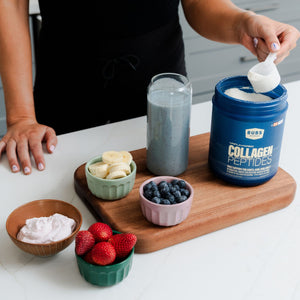
At BUBS Naturals, we believe in providing clean, effective tools to help you stay in the hunt, whether that’s in the gym or your daily life. Understanding which supplement to choose can be confusing because there are dozens of collagen types identified by science. However, when your goal is focused on the health of your skin and the strength of your hair, the search narrows down significantly. If you want to see the product we’re talking about, start with Collagen Peptides.
This guide explores the specific types of collagen that support aesthetic and structural wellness. We will break down the science of Type I and Type III collagen, explain why the form of the supplement matters, and help you build a routine that actually works.
The Foundation: What Is Collagen?
Collagen is the most abundant protein in the human body, making up about 30% of your total protein content. It is found in your bones, muscles, tendons, and ligaments, but it is most famous for its role in the skin. About 80% of your skin is composed of collagen, working alongside a protein called elastin to provide both strength and flexibility.
Think of collagen as the scaffolding of a building. When the scaffolding is strong, the structure is firm and smooth. When the scaffolding begins to weaken or break down, the exterior starts to show signs of wear. In the body, this manifests as fine lines, sagging skin, and brittle hair.
Your body naturally produces collagen by breaking down the protein you eat into amino acids. These amino acids—primarily glycine, proline, and hydroxyproline—are then reassembled into collagen fibers. However, this natural production starts to slow down as early as your mid-20s. By the time you reach 40, you may be losing about 1% of your collagen every year. External factors like sun exposure, high sugar intake, and smoking can speed up this decline.
Key Takeaway: Collagen is a structural protein that provides the "scaffolding" for your skin and hair. Natural production peaks in your 20s and declines steadily thereafter, leading to visible changes in skin texture and hair strength.
The Different Types of Collagen Explained
While scientists have identified 28 different types of collagen, the vast majority of the collagen in your body belongs to just three categories: Type I, Type II, and Type III. Each type serves a specific purpose and is found in different areas of the body.
Type I Collagen
Type I is the heavy hitter. It accounts for roughly 90% of the collagen in your body. It is composed of densely packed fibers that provide structure to your skin, bones, tendons, and ligaments. Because it is so prevalent in the skin’s foundation, it is widely considered the best type for skin health and hair strength.
Type II Collagen
Type II collagen is found primarily in your cartilage. Its main job is to provide cushion and support for your joints. While it is vital for mobility and recovery, it is not the primary player when it's comes to skin elasticity or hair growth. If you are specifically targeting "beauty" benefits, Type II is less relevant than Types I and III.
Type III Collagen
Type III is usually found alongside Type I. It is a major component of the skin’s dermis (the middle layer) and is also found in your muscles, organs, and blood vessels. It provides the skin with its "bounce" and elasticity. In many ways, Type III acts as the supporting partner to Type I, ensuring that the skin is not just strong, but also flexible.
Why Type I and Type III Are Best for Skin and Hair
If you are looking to support your skin and hair, you want a supplement that prioritizes Type I and Type III. These two types work in tandem to address the specific needs of these tissues.
Supporting the Dermis
The skin is made of layers. The outer layer (epidermis) is what you see, but the middle layer (dermis) is where the real work happens. The dermis is where collagen fibers live. Type I provides the thickness and density that keeps skin from looking "crepey" or thin. Type III provides the elasticity. When you supplement with these types, you provide the body with the specific amino acids it needs to maintain this middle layer.
Hair Structure and Strength
Hair is primarily made of a protein called keratin. To produce keratin, your body needs several amino acids, many of which are found in collagen. Proline, for example, is a main component of keratin. By consuming collagen rich in Type I, you provide your body with the raw materials needed to support hair follicles and potentially improve the diameter of individual hair strands.
Myth: Taking collagen will "cure" baldness or instantly erase deep wrinkles.
Fact: Collagen provides the structural building blocks that may support hair thickness and skin hydration, but it works best as a preventative measure or a long-term support tool rather than an overnight fix.
The Importance of Hydrolyzed Collagen Peptides
Knowing the type of collagen is only half the battle. You also need to consider the form. You cannot simply eat a piece of animal hide and expect your skin to improve. In its raw state, the collagen molecule is too large for your body to absorb efficiently.
This is where "hydrolyzed" collagen comes in. Hydrolysis is a process that breaks down the long chains of collagen protein into much smaller pieces called peptides. These peptides are highly bioavailable, meaning they are easily absorbed through the digestive tract and into the bloodstream.
Our Collagen Peptides are hydrolyzed to ensure they mix easily and absorb quickly. When you consume these smaller peptides, they travel through your body and signal your cells to start producing more of their own collagen. It’s a two-fold benefit: you’re providing the raw materials (amino acids) and the "trigger" for your body to ramp up its natural production.
Bottom line: Always look for hydrolyzed collagen peptides. This form ensures that the Type I and Type III collagen you are taking actually reaches the tissues that need it most.
Marine vs. Bovine Collagen: Which Is Better?
When shopping for Type I and Type III collagen, you will generally see two sources: bovine (cow) and marine (fish). Both are excellent, but they have slight differences.
Bovine Collagen
Bovine collagen is typically sourced from cow hides. It is naturally rich in both Type I and Type III collagen. This makes it a great "all-arounder" for skin, hair, nails, and even gut health. Our collagen is sourced from grass-fed, pasture-raised cattle to ensure the cleanest possible profile. It is virtually tasteless and dissolves effortlessly into hot or cold liquids.
Marine Collagen
Marine collagen is sourced from fish scales and skin. It is exceptionally high in Type I collagen. Because the peptides in marine collagen are sometimes slightly smaller, some people find it absorbs even faster than bovine collagen. It is a fantastic option for those who don’t eat beef products but still want the benefits of Type I collagen.
Which One Should You Choose?
For most people, the choice comes down to dietary preference. Both sources provide the Type I collagen necessary for skin and hair. If you want the added benefit of Type III for muscle and blood vessel support, bovine is often the preferred choice. If you are focused strictly on the skin and want the smallest possible peptide size, marine is a solid pick.
The Role of Vitamin C and Cofactors
Your body cannot effectively build or repair collagen without certain helpers. The most important of these is Vitamin C. This vitamin acts as a catalyst in the collagen synthesis process. Without it, the "triple helix" structure of the collagen molecule cannot form correctly.
If you are taking a high-quality collagen supplement but have a Vitamin C deficiency, your body will struggle to use those amino acids to support your skin and hair. This is why we often recommend pairing our collagen with a Vitamin C supplement or a diet rich in citrus, berries, and leafy greens.
Other minerals like zinc and copper also play supporting roles in maintaining the health of your connective tissues. Think of collagen as the bricks and Vitamin C as the mortar. You need both to build a wall that lasts.
How to Build a Collagen Routine
Consistency is the most important factor when it comes to seeing results in your skin and hair. Collagen is not a "one-and-done" supplement; it is a nutritional tool that works best when integrated into your daily life.
Recommended Dosage
Most clinical studies on skin hydration and hair strength use a dosage between 10 and 20 grams of collagen peptides per day. A single scoop of our Collagen Peptides typically provides about 10 grams of grass-fed protein. For those who are highly active or dealing with more significant signs of aging, two scoops may be more beneficial.
Timing and Versatility
The beauty of hydrolyzed collagen is that you can take it at any time. It does not need to be taken on an empty stomach, and it won't break a fast if you are using it in small amounts.
-
Morning: Stir it into your coffee or tea.
-
Post-Workout: Add it to a protein shake to support both muscle recovery and joint health.
-
Evening: Mix it into a glass of water or a caffeine-free tea before bed.
Because our formula is unflavored and dissolves easily, you won't even know it's there. This makes it easy to stick to the habit, which is the only way to see long-term changes.
Note: While collagen is generally safe for most people, it is always a good idea to consult with your healthcare provider before starting any new supplement routine, especially if you have existing health conditions.
Setting Realistic Expectations
It is important to be honest about what collagen can and cannot do. You likely won't wake up with glowing skin and thick hair after three days of use.
Skin cells take about 27 to 30 days to regenerate. Hair grows even slower, usually about half an inch per month. Most people who report positive changes in skin hydration and hair texture notice them after 8 to 12 weeks of consistent daily use.
Your body also prioritizes where the collagen goes. If you have an injury or significant joint wear, your body may direct those amino acids to the "emergency" repairs first before focusing on the aesthetic benefits of your skin and hair. Be patient and give your body the time it needs to rebuild.
| Feature |
Type I Collagen |
Type III Collagen |
| Primary Location |
Skin, hair, nails, bones, tendons |
Skin (dermis), muscles, blood vessels |
| Main Benefit |
Structure, density, and strength |
Elasticity and "bounce" |
| Source |
Bovine and Marine |
Primarily Bovine |
| Goal |
Thicker hair and firmer skin |
Flexible, resilient skin |
Factors That Damage Your Existing Collagen
While supplementing is a great way to support your body, you also want to protect the collagen you already have. You can think of this as "plugging the leaks" in your bucket while you’re trying to fill it up.
UV Exposure
The sun is the number one enemy of collagen. UV rays break down collagen fibers in the dermis, leading to premature aging and "sun spots." Wearing a high-quality SPF daily is the best way to protect your skin’s structural integrity.
High Sugar Consumption
When you eat too much sugar, it can lead to a process called glycation. This is when sugar molecules attach themselves to proteins like collagen, making them stiff and brittle. This makes the collagen more likely to break, leading to wrinkles.
Smoking and Pollution
Smoking restricts blood flow to the skin, which prevents oxygen and nutrients from reaching the tissues where collagen is produced. Environmental pollutants also create oxidative stress, which can damage the cells responsible for collagen synthesis.
Why Quality Matters
Not all collagen is created equal. Because the supplement industry is not strictly regulated, some products may contain fillers, artificial sweeteners, or heavy metals.
We take quality seriously at BUBS Naturals. Our products are third-party tested and NSF for Sport certified. This means that what is on the label is exactly what is in the tub—no BS, no hidden ingredients. For athletes and veterans who rely on their bodies to perform at the highest level, this transparency is non-negotiable. You can read more about that standard in our NSF Certified & Whole30 Approved quality guide.
When you choose a supplement, look for "single-ingredient" formulas. If the ingredient list is long and full of words you can’t pronounce, you’re likely paying for fillers rather than the collagen your body needs.
Summary of the Best Collagen for You
To wrap up, if your primary goal is improving the appearance of your skin and the strength of your hair, you should look for a supplement that features:
-
Type I and Type III Collagen: These provide the specific structural support for your dermis and hair follicles.
-
Hydrolyzed Peptides: This ensures the protein is small enough to be absorbed and used by your body.
-
Clean Sourcing: Grass-fed bovine or wild-caught marine sources offer the best amino acid profiles without unnecessary additives.
-
Consistency: A daily dose of 10–20 grams is the standard for seeing real-world results.
Bottom line: Focus on Type I and Type III hydrolyzed peptides for skin and hair, and remember that consistency over 90 days is the key to seeing visible changes.
Conclusion
Finding the right supplement shouldn't feel like a chore. By focusing on Type I and Type III hydrolyzed peptides, you are giving your body the exact tools it needs to maintain its structural integrity. Whether you are recovering from a long trail run or just want to feel more confident in your own skin, these proteins are a fundamental part of a healthy lifestyle.
At BUBS Naturals, our mission goes beyond just selling supplements. We are driven by the legacy of Glen "BUB" Doherty, a Navy SEAL who lived a life of adventure and purpose. To honor that legacy, we donate 10% of all our profits to veteran-focused charities. You can learn more on our story. When you choose our products, you aren't just investing in your own wellness; you're supporting a larger mission.
If you want a simple way to make collagen part of your routine, explore the Collagen Club for a recurring supply option that keeps it easy to stay consistent.
Take the next step in your wellness journey. Add a scoop of our Collagen Peptides to your morning routine and start giving your skin and hair the support they deserve.
FAQ
Can I get enough collagen from food alone?
While you can get the amino acids needed for collagen from foods like bone broth, meat, and fish, it is difficult to consume them in the concentrated, highly bioavailable form found in supplements. Many people find that supplementing with peptides is a more reliable and convenient way to hit their daily targets.
Is there such a thing as "vegan collagen"?
No, true collagen only comes from animal sources. Products marketed as "vegan collagen" are actually "collagen boosters" that contain vitamins and minerals like Vitamin C and zinc to help your body produce its own collagen. While helpful, they do not provide the actual collagen peptides themselves. If you want a related way to support your routine, you can also look at our Natural Strategies for How to Get Your Body to Produce Collagen.
How long does it take for collagen to work for hair?
Hair growth is a slow process, and most people need to stay consistent for at least 3 to 6 months to notice a difference in hair thickness or texture. Because hair grows from the follicle, the benefits of collagen will show up in the new growth rather than the existing hair strands.
Should I take collagen on an empty stomach?
It is not necessary to take collagen on an empty stomach. Hydrolyzed collagen is broken down enough that it can be absorbed effectively whether you have eaten or not. Most people find it easiest to mix it into their morning coffee or a meal-replacement shake.