Table of Contents
- Introduction
- Understanding Marine Collagen Peptides
- What Makes a Marine Collagen "The Best"
- The Role of Type I Collagen
- Bioavailability: Why Particle Size Matters
- Marine Collagen vs. Bovine Collagen
- Sustainability and Environmental Impact
- How to Integrate Marine Collagen into Your Daily Routine
- What to Avoid in a Collagen Supplement
- The Science of Amino Acids in Marine Collagen
- Who Should Take Marine Collagen?
- The Importance of NSF for Sport Certification
- Realistic Expectations for Collagen Use
- Why We Do What We Do
- Conclusion
Introduction
If you have noticed that your recovery takes a little longer or your skin does not have the same resilience it once did, you are likely looking into collagen. As we age, our bodies naturally slow down the production of this vital protein. This shift often starts in our late 20s or early 30s. Marine collagen has emerged as a popular choice for those looking to support their skin, hair, and joint health through a highly absorbable source.
At BUBS Naturals, we believe in providing you with the facts so you can make informed decisions about your wellness routine. This guide will explore what makes a marine collagen supplement stand out from the crowd. We will cover everything from sourcing and bioavailability to how these peptides actually work within your body. By the end, you will know exactly how to identify a high-quality product that meets your needs, including our own Collagen Peptides.
Finding the right supplement is about more than just a label; it is about finding a product that fits an active, purpose-driven lifestyle.
Quick Answer: The best marine collagen peptides are wild-caught, non-GMO, and hydrolyzed for maximum absorption. Look for products that are third-party tested and contain no fillers or artificial sweeteners to ensure you are getting clean, functional nutrition.
Understanding Marine Collagen Peptides
To find the best supplement, you first need to understand what it actually is. Collagen is a structural protein. It acts like the "glue" that holds your body together. Marine collagen is derived from the skin and scales of fish. These parts of the fish are rich in Type I collagen, which is the most abundant form in the human body.
When you see the word "peptides," it refers to the process of hydrolysis. This is a method where the collagen protein is broken down into smaller chains of amino acids using water. These smaller chains are much easier for your body to digest and absorb than a whole protein molecule. This makes the supplement "bioavailable," meaning your body can actually put it to use efficiently.
Marine collagen is particularly prized for its small particle size. Compared to bovine or porcine collagen, marine particles are often smaller. This can lead to faster absorption into the bloodstream. For someone with a busy schedule or a rigorous training routine, efficiency is everything. You want a product that gets to work without placing a heavy burden on your digestive system.
What Makes a Marine Collagen "The Best"
Not all marine collagen is created equal. The market is flooded with options, but many contain unnecessary additives or are sourced in ways that compromise quality. When you are searching for the best option, there are four main pillars to consider: sourcing, processing, purity, and solubility.
Wild-Caught vs. Farm-Raised
The best marine collagen always starts with wild-caught fish. Farm-raised fish are often kept in crowded conditions and may be treated with antibiotics or hormones. Wild-caught fish, such as those from the North Atlantic or Alaskan waters, live in their natural environment and consume a natural diet. This results in a cleaner, more robust amino acid profile.
Hydrolysis and Molecular Weight
The "best" products are those that have been properly hydrolyzed. You want to look for a low molecular weight, often measured in Daltons. The lower the molecular weight, the easier it is for the peptides to pass through the intestinal wall. If a supplement is not properly hydrolyzed, you might just be consuming expensive protein that your body cannot fully utilize.
Third-Party Testing
Purity is non-negotiable. Because marine products come from the ocean, there is always a concern about heavy metals like mercury or lead. High-quality brands will invest in third-party testing. This means an independent lab verifies that the product is free from contaminants and that the label accurately reflects what is inside the container.
Solubility and Taste
Nothing ruins a morning routine faster than a clumpy, fishy-tasting drink. The best marine collagen peptides are processed to be virtually tasteless and odorless. They should dissolve effortlessly into both hot and cold liquids. Whether you are stirring it into your morning coffee or shaking it up in a post-workout bottle, it should disappear completely without changing the texture of your drink.
Bottom line: To find the best marine collagen, prioritize wild-caught sourcing, low molecular weight for absorption, and rigorous third-party testing for purity.
The Role of Type I Collagen
While there are over 20 types of collagen in the body, Types I, II, and III are the most common. Marine collagen is almost exclusively Type I. This is important because Type I makes up about 90% of your body’s total collagen. It is found in your skin, hair, nails, bones, and tendons.
Because marine collagen is so concentrated in Type I, it is often the go-to choice for people focused on "beauty from within." It helps support skin elasticity and hydration, which can minimize the appearance of fine lines. However, it is not just about looks. Type I collagen is also a major component of your tendons and ligaments. For athletes or those who enjoy outdoor adventures, supporting these connective tissues is vital for maintaining mobility and preventing injury.
If you are looking for a supplement that primarily targets skin health and overall structural integrity, a high-quality marine peptide is a strong contender. If you need a broader range of support, you might look at Collagen Protein Benefits, which explains how collagen fits into a daily routine.
Bioavailability: Why Particle Size Matters
You might hear the word "bioavailability" thrown around a lot in the supplement world. In plain English, it just means how much of the substance actually enters your circulation so it can have an effect. Marine collagen is often cited as being up to 1.5 times more bioavailable than other sources.
This superior absorption is due to the smaller peptide molecules. Think of it like trying to move furniture through a doorway. Smaller pieces go through much faster and with less effort. When the peptides are small, they are absorbed through the intestinal barrier more quickly. Once in the bloodstream, they travel to the tissues that need them most, such as the skin or joints.
Key Takeaway: The smaller molecular size of marine collagen peptides allows for faster transport into the bloodstream, making it one of the most efficient ways to supplement your body's natural collagen levels.
Marine Collagen vs. Bovine Collagen
A common question is whether marine collagen is better than bovine (beef) collagen. The answer depends on your specific goals. Neither is objectively "better" in every scenario, but they serve different purposes.
Marine collagen is:
- Primarily Type I.
- Sourced from fish.
- Known for smaller particle size and high bioavailability.
- Often preferred for skin, hair, and nail health.
- A great option for pescatarians.
Bovine collagen is:
- A mix of Type I and Type III.
- Sourced from cows.
- Excellent for joint health and gut support.
- Usually more cost-effective for daily, long-term use.
Many people choose to use both or switch between them. If your primary goal is recovery after a heavy lifting session or supporting your joints through long hikes, the Type III found in bovine collagen is very helpful. If you are focused on skin health and want the fastest possible absorption, marine is a great choice. We focus on grass-fed bovine collagen because it provides a versatile, all-around solution for an active lifestyle, but we recognize the specific benefits that marine sources offer.
Myth: Marine collagen always tastes like fish.
Fact: High-quality, well-processed marine collagen peptides are hydrolyzed and filtered to remove any fishy odor or taste, making them neutral enough for coffee or smoothies.
Sustainability and Environmental Impact
When choosing the best marine collagen, you should also consider the health of our oceans. Sustainable sourcing ensures that fish populations are not depleted and that the ecosystem remains balanced. Look for products that use "by-products" of the food industry.
Usually, fish skin and scales are discarded when fish are processed for food. By using these parts to create collagen peptides, manufacturers are practicing "upcycling." This reduces waste and makes the most of the entire animal. This philosophy of "no waste" and "clean ingredients" aligns with our own commitment at BUBS Naturals to do things the right way, not the easy way.
Sustainable sourcing also often correlates with higher quality. Fish that are caught in regulated, clean waters are less likely to carry high levels of environmental toxins. When you choose a brand that cares about the ocean, you are usually choosing a brand that cares about the purity of its final product.
How to Integrate Marine Collagen into Your Daily Routine
The best supplement is the one you actually take consistently. Collagen is not a "one-and-done" fix. It works best when it is part of your daily ritual. Because marine collagen is so soluble, it is incredibly easy to add to your existing habits.
Morning Coffee or Tea
This is the most popular way to take collagen. Simply stir a scoop into your morning brew. If the quality is high, it will dissolve completely without changing the flavor. It is a simple way to start your day with a boost of functional protein, especially alongside MCT Oil Powder.
Post-Workout Shakes
After a workout, your body is in a state of repair. Adding collagen to your protein shake can provide the specific amino acids needed for connective tissue recovery. While whey or plant proteins are great for muscle, collagen targets the "hardware" of your body—your joints and tendons.
Smoothies and Bowls
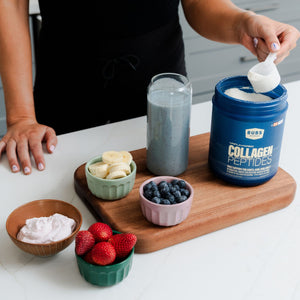
If you prefer a cold start to your day, marine collagen blends perfectly into fruit or veggie smoothies. It adds a creamy texture without any grit. You can also stir it into oatmeal or yogurt bowls.
Note: Collagen is heat-stable, meaning you can cook or bake with it without destroying the protein's benefits. Feel free to add it to soups, stews, or even healthy pancake batters.
What to Avoid in a Collagen Supplement
As you search for the best marine collagen peptides, there are some "red flags" to watch out for. These can diminish the effectiveness of the supplement or add unnecessary junk to your diet.
-
Artificial Sweeteners: Many flavored powders use sucralose or aspartame. These can cause digestive upset for some people and go against a clean-label philosophy.
-
Fillers and Gums: Some brands add maltodextrin or thickeners like guar gum to make the product feel more substantial or to save money. You want 100% pure collagen.
-
Vague Sourcing: If the label just says "marine collagen" without mentioning where it comes from or if it is wild-caught, it is likely a lower-quality, mass-produced ingredient.
-
Excessive Sugar: Flavored "beauty" collagens are often loaded with sugar. You are better off getting a plain, unflavored powder and adding your own natural flavors if needed.
At BUBS Naturals, we live by a "no BS" rule. Our products are designed with simple, clean ingredients because we know that real performance does not need a chemistry degree to understand. We apply this same standard to everything we do, from Hydrate or Die® Electrolytes to our other core formulas.
The Science of Amino Acids in Marine Collagen
To truly understand why marine collagen works, we have to look at its amino acid profile. Collagen is unique because it contains high concentrations of three specific amino acids: Glycine, Proline, and Hydroxyproline.
Glycine
Glycine is the smallest amino acid, but it does heavy lifting. It is essential for the production of glutathione, your body's "master antioxidant." It also plays a role in supporting healthy sleep patterns and protecting the gut lining.
Proline
Proline is a key player in skin health and wound healing. It helps your body repair damaged tissues and maintain the integrity of your blood vessels.
Hydroxyproline
This amino acid is almost unique to collagen. It helps stabilize the collagen structure within your body. When you consume hydroxyproline through peptides, it sends a signal to your body to ramp up its own natural collagen production.
By providing these specific building blocks in a highly absorbable form, marine collagen acts as both a raw material and a biological messenger. It gives your body what it needs to rebuild while simultaneously telling it to get to work.
Bottom line: Marine collagen provides a specialized amino acid profile that supports everything from antioxidant production to the structural repair of your skin and gut.
Who Should Take Marine Collagen?
Marine collagen is a versatile supplement, but it is particularly beneficial for certain groups of people.
-
Active Adults: If you are constantly on the move, your joints and tendons are under regular stress. Marine collagen can help support the "scaffolding" of your body.
-
The Aging Population: Since collagen production drops as we get older, supplementing can help maintain skin elasticity and joint comfort as the years go by.
-
Pescatarians: For those who do not eat land animals but do eat fish, marine collagen is the only way to get real, animal-sourced collagen peptides.
-
Beauty-Focused Individuals: If your primary goal is supporting the health of your hair, skin, and nails, the high concentration of Type I collagen in marine sources is ideal.
While marine collagen is safe for most people, those with a fish allergy should obviously avoid it. If you have a known allergy, bovine collagen is the safer and equally effective alternative for most health goals.
The Importance of NSF for Sport Certification
If you are a competitive athlete, a member of the military, or a first responder, you need to know exactly what is in your supplements. The "best" marine collagen for an athlete is one that is NSF for Sport certified.
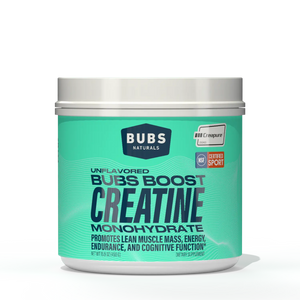
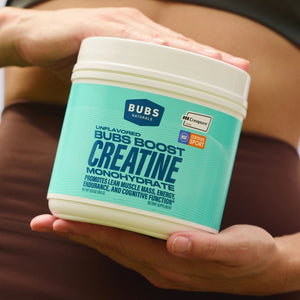
This certification is the gold standard in the supplement industry. It ensures that the product has been tested for over 280 substances banned by major athletic organizations. It also confirms that the contents of the package match exactly what is on the label. While not all marine collagens carry this mark, we prioritize this level of testing at BUBS Naturals for our core products. We believe that if it is good enough for elite operators and professional athletes, it is good enough for your daily routine, including Creatine Monohydrate.
Trust is hard to earn and easy to lose. When you see a high-level certification, you know the brand is not cutting corners. You can focus on your training and your life, knowing your supplements are clean and safe.
Realistic Expectations for Collagen Use
It is important to be realistic about what collagen can do. It is not a magic pill that will transform your skin overnight or instantly heal a chronic joint injury. Most studies suggest that it takes about 8 to 12 weeks of consistent daily use to see noticeable changes in skin hydration and joint comfort.
Think of it like training for a marathon or building a business. Results come from showing up every single day. Your body needs time to integrate the amino acids and begin the repair processes. Listen to your body and stay consistent. If you skip days or only take it occasionally, you likely will not see the benefits you are looking for.
Pairing your collagen with a healthy diet rich in Vitamin C can also help. Vitamin C is a necessary co-factor for collagen synthesis. Without it, your body cannot effectively turn those peptides into new collagen fibers, which is why many people also look at Vitamin C.
Why We Do What We Do
At BUBS Naturals, our products are about more than just wellness; they are about a legacy. We were founded to honor Glen "BUB" Doherty, a Navy SEAL and hero who lived life to the fullest. He was a man of adventure, fitness, and deep purpose. We carry that spirit into every product we make, as explained in Our Story.
We use only the cleanest ingredients because we believe you deserve the best. We also believe in giving back. That is why we donate 10% of all our profits to veteran-focused charities. When you choose a product to support your health, you are also supporting a larger mission to help those who have served.
Whether you choose a marine source or our grass-fed bovine peptides, our goal is to help you feel great, move better, and live with purpose. One scoop at a time, you can make a difference in your own life and the lives of others.
Conclusion
Finding the best marine collagen peptides comes down to quality, purity, and consistency. Look for wild-caught fish, a hydrolyzed formula for high bioavailability, and a brand that treats its sourcing with respect. Avoid fillers and artificial additives that get in the way of your goals.
Remember that collagen is a long-term investment in your structural health. Whether you are looking to support your skin's glow or keep your joints moving through your next adventure, the right peptides can make a significant difference. If you want a broader recovery stack, explore our Hydration Collection.
Stay active, stay focused, and keep pushing forward. We are here to provide the clean, functional nutrition you need to fuel your journey.
FAQ
How long does it take to see results from marine collagen?
Most people report noticing changes in skin hydration and joint comfort after 8 to 12 weeks of consistent daily use. Because collagen works by supporting internal repair processes, it requires time for the body to integrate the peptides and build new tissue. Consistency is the most important factor in seeing results.
Does marine collagen have a fishy taste?
High-quality marine collagen peptides are thoroughly filtered and hydrolyzed to be virtually tasteless and odorless. While lower-quality brands might have a faint scent, premium products should dissolve into your coffee or water without changing the flavor. If your collagen tastes like fish, it may be time to switch to a higher-quality brand.
Can I take marine collagen if I have a shellfish allergy?
Marine collagen is typically sourced from the skin and scales of fish like cod or snapper, not from shellfish like shrimp or lobster. However, there is always a risk of cross-contamination during processing. If you have a severe shellfish allergy, it is best to consult with your healthcare provider or opt for a grass-fed bovine collagen instead.
What is the best time of day to take marine collagen?
There is no "perfect" time to take collagen, as the most important thing is simply getting your daily serving. Many people prefer taking it in the morning to establish a routine, while others like adding it to a post-workout shake to support recovery. Your body will absorb and utilize the peptides effectively regardless of the time of day, especially when paired with a clean routine like Butter MCT Oil Creamer.