Table of Contents
- Introduction
- Understanding the Basics of Collagen
- What Does "Hydrolyzed" Actually Mean?
- The Role of Type 2 Collagen in the Body
- Comparing Collagen Types: A Quick Reference
- Hydrolyzed vs. Undenatured Type 2 Collagen
- Potential Benefits of Hydrolyzed Collagen Type 2
- Sourcing: Where Does It Come From?
- How to Use Type 2 Collagen in Your Routine
- Who Should Consider Type 2 Collagen?
- The BUBS Perspective on Purity and Trust
- Conclusion
- FAQ
Introduction
Maintaining joint health becomes a priority when you live an active life. Whether you are hitting the trails, lifting in the gym, or just trying to stay mobile, your connective tissues take a lot of the impact. Collagen is the primary protein responsible for keeping these tissues strong, but not all collagen is the same. Understanding the different types is key to choosing the right supplement for your specific goals.
At BUBS Naturals, we focus on providing clean, science-backed nutrition to help you perform at your peak. This guide explores hydrolyzed collagen type 2, a specific form of protein designed to support your joints and cartilage. For a broader look at how our collagen fits into daily wellness, start with our Collagen Protein Benefits guide. We will break down how it differs from other types, how it is made, and what the research says about its effectiveness for recovery and mobility.
By the end of this article, you will understand the role of type 2 collagen in the human body and how it fits into a well-rounded supplement routine. Our goal is to provide the facts so you can make informed decisions about your health and performance.
Quick Answer: Hydrolyzed collagen type 2 is a protein derived from animal cartilage that has been broken down into small peptides for easier absorption. It is primarily used to support joint cartilage, reduce stiffness, and improve overall mobility in active individuals.
Understanding the Basics of Collagen
Collagen is the most abundant protein in your body. Think of it as the glue that holds everything together. It provides structure to your skin, bones, muscles, tendons, and ligaments. Your body naturally produces collagen by breaking down dietary protein into amino acids, but this production starts to slow down as early as your mid-20s.
There are at least 28 different types of collagen identified by scientists. However, the vast majority of the collagen in your body consists of Types 1, 2, and 3. Each type has a specific job based on where it is located and how the molecules are structured.
While Type 1 and Type 3 are found primarily in the skin, bones, and tendons, Type 2 is the "specialist" for your joints. It makes up about 50% of all protein in your cartilage and roughly 90% of the collagen found in articular cartilage. This is the slippery, tough tissue that cushions your joints and allows them to move without pain.
What Does "Hydrolyzed" Actually Mean?
When you look at supplement labels, you will almost always see the word "hydrolyzed." This is not just a marketing term; it describes a critical chemical process. In its natural state, a collagen molecule is very large and complex. It exists as a "triple helix," which is three long chains of amino acids twisted together.
If you were to consume raw collagen, your body would struggle to break it down and absorb it efficiently. Hydrolysis uses water and enzymes to break these long chains into much shorter ones called peptides.
The Science of Peptides
Collagen peptides have a low molecular weight. This makes them highly "bioavailable," meaning your body can easily absorb them through the digestive tract and send them into the bloodstream. Once in the blood, these peptides act as messengers. They signal your body to increase its own collagen production and provide the specific amino acid building blocks—like proline, glycine, and hydroxyproline—needed to repair connective tissue.
Bioavailability and Absorption
Hydrolyzed collagen is preferred over "gelatin" or raw sources because it dissolves easily in both hot and cold liquids. It does not thicken or gel, making it simple to add to your morning coffee or a post-workout shake. More importantly, research indicates that hydrolyzed peptides reach the joint tissues more effectively than larger protein molecules.
Key Takeaway: Hydrolysis is a process that breaks large collagen molecules into smaller peptides. This increases bioavailability, ensuring the protein actually reaches the tissues, like joint cartilage, where it is needed most.
The Role of Type 2 Collagen in the Body
To understand why someone would take hydrolyzed collagen type 2, you have to look at the anatomy of a joint. Your joints are where two bones meet. To prevent these bones from grinding against each other, the ends are covered in a thick layer of cartilage.
Type 2 collagen provides the structural framework for this cartilage. It creates a grid-like pattern that traps other molecules, such as proteoglycans and water. This "trapping" is what gives cartilage its shock-absorbing properties. When you run, jump, or walk, this type 2 collagen matrix allows the cartilage to compress and bounce back, protecting your skeletal system.
Cartilage and Wear and Tear
Over time, several factors can degrade this collagen matrix. Aging is the most common cause, but repetitive stress from high-impact sports, poor nutrition, and lack of sleep also play roles. When the type 2 collagen in your joints begins to break down faster than your body can replace it, you may experience stiffness, a reduced range of motion, or joint discomfort.
Support for Inflammation
Recent studies suggest that type 2 collagen may do more than just provide a physical structure. It may also help manage the body’s inflammatory response within the joint capsule. By maintaining the integrity of the cartilage, you reduce the likelihood of the mechanical "bone-on-bone" friction that often triggers inflammation and swelling.
Comparing Collagen Types: A Quick Reference
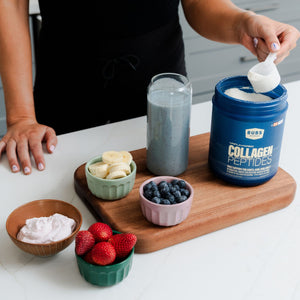
It is easy to get confused by the different numbers on supplement bottles. While many of our products, like Collagen Peptides, utilize Type 1 and Type 3 for total body support, Type 2 serves a more targeted purpose.
| Collagen Type |
Primary Location |
Key Benefits |
| Type 1 |
Skin, tendons, bone, organs |
Skin elasticity, bone strength, wound healing |
| Type 2 |
Cartilage, vitreous humor (eyes) |
Joint cushion, mobility, cartilage repair |
| Type 3 |
Muscles, arteries, skin |
Gut health, muscle structure, skin hydration |
Most people benefit from a foundation of Type 1 and 3 because they are the most prevalent in the body. However, those focusing specifically on knee, hip, or shoulder health often look for Type 2 to supplement their recovery routine.
Bottom line: Type 1 and 3 collagen support the skin and bones, while Type 2 is specifically localized in the cartilage to provide joint cushioning and mobility.
Hydrolyzed vs. Undenatured Type 2 Collagen
When shopping for Type 2 collagen, you will encounter two main forms: hydrolyzed and undenatured (often labeled as UC-II). It is important to know the difference because they work through different mechanisms.
Hydrolyzed Type 2 (Collagen Peptides)
As discussed, the hydrolyzed version is broken down into small pieces. It works by providing the raw materials your body needs to rebuild cartilage. You typically take this in larger doses—often between 1 and 2 grams (1,000mg to 2,000mg) or more—to ensure your body has an ample supply of the specific amino acids used in joint tissue.
Undenatured Type 2 (UC-II)
Undenatured collagen is not hydrolyzed. It is processed at low temperatures to keep the triple helix structure intact. It works through a process called "oral tolerance." Instead of being a building block, it interacts with the immune system in the gut to help stop the body from attacking its own joint collagen. Because it works through the immune system, the dosage is much smaller, usually only about 40mg per day.
Which One Should You Choose?
Many athletes prefer the hydrolyzed form because it provides actual nutritional value (protein and amino acids) while also supporting the joints. Others use a combination of both. If your goal is to provide the "bricks and mortar" for your joints, hydrolyzed type 2 is the standard approach.
Potential Benefits of Hydrolyzed Collagen Type 2
The research into type 2 collagen has grown significantly over the last decade. While no supplement is a "magic pill," the following benefits are commonly reported in clinical observations and by active individuals.
1. Improved Joint Comfort
The most common reason people use type 2 collagen is to manage joint discomfort. Studies on individuals with osteoarthritis and athletes with exercise-induced joint pain have shown that regular supplementation may lead to a reduction in perceived pain levels during daily activities.
2. Enhanced Mobility and Flexibility
When cartilage is healthy and well-hydrated, joints move more freely. Users often report feeling less "creaky" in the morning or experiencing a better range of motion during workouts. For more on how collagen supports movement and recovery, see our spring recovery collagen guide. This is particularly important for older adults or those recovering from joint-related injuries.
3. Cartilage Protection
By providing the specific amino acids needed for cartilage maintenance, type 2 collagen may help slow down the natural wear and tear that occurs with age. It helps maintain the thickness and durability of the articular cartilage, which is vital for long-term athletic longevity.
4. Support for Recovery
For those who train hard, recovery is just as important as the workout itself. Type 2 collagen supports the connective tissues that are stressed during heavy lifting or high-impact cardio. Adding it to a post-workout routine may support the body's natural repair processes.
Myth: Type 2 collagen can completely regrow lost cartilage in a "bone-on-bone" scenario.
Fact: While it supports existing structure and helps manage discomfort, it cannot fully restore cartilage that has been completely worn away. It is best used as a preventative measure or to support early-stage joint issues.
Sourcing: Where Does It Come From?
Not all collagen is sourced the same way. The source often determines which types of collagen are present in the final product.
-
Bovine (Cows): Primarily Type 1 and Type 3. This is usually sourced from cow hides. It is excellent for skin, hair, and general recovery.
-
Marine (Fish): Primarily Type 1. This is often used for skin health and beauty because the peptides are very small and absorb quickly.
-
Chicken: This is the primary source of Type 2 collagen. Specifically, it is derived from chicken sternal cartilage. Chicken cartilage is naturally rich in Type 2 collagen, as well as other joint-supporting compounds like chondroitin sulfate and hyaluronic acid.
At BUBS Naturals, we prioritize the highest quality sourcing. For our standard collagen peptides, we use grass-fed, pasture-raised bovine sources to ensure a clean, effective Type 1 and 3 profile. If you want the full story behind our brand and mission, visit BUBS Naturals Preserves Glen “BUB” Doherty's Heroic Legacy. When looking for Type 2, always ensure the product is derived from high-quality chicken cartilage to get the correct collagen profile.
How to Use Type 2 Collagen in Your Routine
Adding type 2 collagen to your day is straightforward. Because the hydrolyzed version is usually unflavored and dissolves easily, you have plenty of options.
Consistent Timing
Consistency is more important than the specific time of day. Most studies show that the benefits of collagen are cumulative. You should aim to take it every day for at least 8 to 12 weeks to notice a significant difference in joint comfort or mobility.
Complementary Nutrients
Your body needs certain co-factors to process collagen effectively.
-
Vitamin C: This is the most critical partner for collagen. Vitamin C is required for the "hydroxylation" process that allows collagen fibers to link together and become strong. Our Vitamin C+ is a simple way to add that support to your routine.
-
MCT Oil: While not a direct co-factor, adding a clean fat source like our MCT Oil Creamer can support overall energy and mental clarity while you focus on your physical recovery.
-
Hydration: Cartilage is largely made of water. For your type 2 collagen to do its job, you must stay hydrated. Using a high-quality electrolyte like our Hydrate or Die formula ensures your tissues have the fluid balance they need to stay resilient.
Dosage Recommendations
For hydrolyzed type 2 collagen, a common daily dose is between 1,000mg and 2,000mg. Some specialized joint formulas may go higher. Always follow the specific instructions on your supplement label and consult with a healthcare professional if you have underlying health conditions.
Who Should Consider Type 2 Collagen?
Type 2 collagen is not necessary for everyone, but it is highly beneficial for specific groups.
Athletes and Fitness Enthusiasts
If you engage in high-impact activities—like running, CrossFit, or jumping—your joints are under constant stress. Type 2 collagen can be a valuable part of a "pre-hab" routine, helping to keep your cartilage resilient before problems arise. For another take on how collagen fits into active recovery, read Should I Take Collagen After Workout Recovery?.
Aging Adults
As we get older, our natural collagen production drops. This often manifests as stiff joints or a loss of flexibility. Supplementing with type 2 collagen can help bridge the gap and support a more active, mobile lifestyle well into the later years.
People with Joint Sensitivities
If you find that your knees or hips ache after a long day on your feet, your cartilage may need extra support. Type 2 collagen is specifically designed to address these tissues.
Bottom line: If joint mobility and cartilage health are your primary concerns, hydrolyzed type 2 collagen is a targeted tool that complements a standard protein and collagen routine.
The BUBS Perspective on Purity and Trust
We believe that what you put in your body should be as clean as possible. This is why we focus on simple ingredients and rigorous testing. Whether you are using our grass-fed collagen for total body support or looking into specific joint supplements, the standard remains the same: no fillers, no shortcuts, and no BS.
We also believe that wellness should have a purpose. Our products are designed to help you live a life of adventure, just like our namesake, Glen "BUB" Doherty. Every scoop you take is not just an investment in your own health; it is a way to give back to those who have served. Learn more about that mission in our story on adventure, wellness, and giving back.
Conclusion
Hydrolyzed collagen type 2 is a powerful, targeted supplement for anyone looking to prioritize joint health and mobility. By breaking down the large collagen triple helix into bioavailable peptides, hydrolysis ensures that the building blocks of cartilage actually reach the tissues that need them. While Type 1 and Type 3 collagen are essential for skin and bone health, Type 2 remains the gold standard for maintaining the structural integrity of your joints.
To get the most out of your supplement routine:
- Choose high-quality, hydrolyzed sources for better absorption.
- Be consistent with your daily intake over several months.
- Support your collagen with Vitamin C and proper hydration.
- Listen to your body and adjust your activity levels as needed.
At BUBS Naturals, we are committed to helping you stay in the game longer. We donate 10% of all our profits to veteran-focused charities in honor of Glen "BUB" Doherty. When you choose us, you are choosing a brand built on the values of service, quality, and a relentless pursuit of wellness. If you want to explore a broader collagen routine, start with our Collagen Peptides and see how it fits your goals. For a deeper dive into why our formula is trusted, read Is BUBS Collagen Good for You? Benefits & Results Review.
"The best time to take care of your joints was ten years ago. The second best time is today."
FAQ
What is the main difference between Type 1 and Type 2 collagen?
Type 1 collagen is the most abundant and is found in skin, bones, and tendons, primarily supporting structural strength and skin elasticity. Type 2 collagen is located almost exclusively in the cartilage, where it provides the cushioning and shock absorption necessary for smooth joint movement.
Can I take Type 2 collagen and Type 1/3 collagen together?
Yes, many people combine different types of collagen to get full-body benefits. While Type 1 and 3 provide broad support for the skin, gut, and bones, Type 2 can be added to specifically target joint issues or recovery from high-impact exercise.
How long does it take to see results from Type 2 collagen?
Most clinical studies suggest that it takes between 8 and 12 weeks of consistent daily use to notice changes in joint comfort and mobility. Because collagen works by supporting the gradual repair and maintenance of tissues, it is not an "instant" fix but rather a long-term strategy.
Is hydrolyzed collagen type 2 vegan?
No, all true collagen comes from animal sources, typically chicken sternal cartilage for Type 2. While there are "collagen-boosting" vegan supplements that provide the vitamins and minerals needed for collagen production, they do not actually contain the collagen protein itself.