Table of Contents
- Introduction
- Key Nutrients That Support Collagen Production
- The Role of Collagen Supplements
- Lifestyle Practices to Boost Collagen Production
- What to Consider in Collagen-Rich Skincare Products
- Conclusion
- FAQ
Introduction
As we journey through life, our skin endures a lot—it protects us from environmental factors, hosts our facial expressions, and reflects our overall health. Did you know that collagen, the most abundant protein in our bodies, accounts for about 70-80% of our skin's tissue? This protein not only provides structure and elasticity but also plays a critical role in ensuring that our skin remains smooth, firm, and youthful. However, collagen production naturally diminishes as we age, leading to wrinkles, sagging skin, and other signs of aging that many of us want to combat.
In our quest for vibrant, youthful skin, understanding what helps build collagen is essential. This blog will explore various factors, foods, and lifestyle choices that can promote collagen production, offering practical steps to increase your collagen levels naturally. At BUBS Naturals, we believe in a life of adventure, wellness, and purpose, and through this post, we aim to empower you with knowledge that enhances your skincare journey.
In the following sections, we will delve into the significance of collagen, the impact of dietary nutrients, the usefulness of supplements, and lifestyle enhancements that promote collagen production. Together, let’s unlock the secrets to maintaining healthy, lush skin.
What is Collagen and Why Is It Important?
Collagen is a fibrous protein that constitutes the primary building block of various connective tissues in the body. It serves multiple purposes, including:
- Providing structural support to the skin
- Facilitating joint and muscle health
- Enhancing tissue regeneration and repair
As we age, our collagen levels naturally decline—starting as early as our 20s at a rate of approximately 1% per year. By the age of 40, individuals may have lost around 24% of their collagen. This reduction contributes to multiple skin issues such as wrinkles, reduced elasticity, and thinning. In addition, factors like sun exposure, smoking, and poor diet can further accelerate collagen loss.
When our collagen levels are balanced and optimal, we experience:
- Increased skin elasticity
- A smoother complexion
- Better hydration
Hence, increasing our body's collagen is vital for retaining a youthful and radiant appearance.
Key Nutrients That Support Collagen Production
A balanced diet rich in specific nutrients can significantly impact collagen synthesis in the skin. Below, we explore these essential nutrients and how they foster collagen production:
1. Amino Acids
Amino acids are the building blocks of proteins, including collagen. Certain amino acids, such as glycine, proline, and hydroxyproline, are crucial for collagen synthesis. Consuming protein-rich foods like lean meats, poultry, fish, eggs, and beans can ensure your body has a steady supply of these vital amino acids.
2. Vitamin C
This powerful antioxidant is critical for collagen synthesis. Vitamin C aids in converting proline and lysine into collagen while also protecting existing collagen from oxidation damage. Foods rich in vitamin C include citrus fruits (oranges, grapefruits), bell peppers, strawberries, and leafy greens like kale and spinach.
3. Zinc and Copper
Both zinc and copper play essential roles in collagen synthesis. Zinc aids the enzymes that create collagen, while copper is crucial for stabilizing the structure of the collagen fibers. Foods rich in these minerals include shellfish, nuts, seeds, whole grains, and dark chocolate.
4. Antioxidants
Antioxidants combat free radicals that can damage collagen in our skin. Foods such as blueberries, green tea, dark chocolate, and various herbs and spices possess high antioxidant levels that can protect our skin from environmental stressors.
5. Healthy Fats
Incorporating healthy fats into your diet can promote collagen absorption and benefit skin health. Omega-3 fatty acids, found in fish like salmon and chia seeds, are particularly beneficial for maintaining skin elasticity.
6. Bone Broth
Bone broth is rich in collagen protein and has been touted for its health benefits. By simmering animal bones over low heat for extended periods, nutrients are extracted, yielding a rich source of collagen that, when consumed, may support skin health.
Incorporating these nutrients into our diet is simple with a little creativity. For those of us seeking a more targeted approach, supplements can also play a role.
The Role of Collagen Supplements
Collagen supplements have become increasingly popular in the wellness community. Available in various forms, including powders, capsules, and topical creams, their marketing often highlights benefits such as improved skin elasticity, hydration, and wrinkle reduction.
Reviews on Efficacy
Recent research has shown promise regarding the effectiveness of oral collagen supplements. A 2021 review indicated that participants taking hydrolyzed collagen experienced improvements in skin elasticity and hydration after 90 days. Similarly, collagen peptides positively stimulated fibroblasts in the skin, which are responsible for producing collagen.
When choosing supplements, consider these tips:
- Look for hydrolyzed collagen or collagen peptides which are easier for the body to absorb.
- Ensure the product is third-party tested, like our BUBS Naturals supplements, to guarantee quality and efficacy.
- Combine supplementation with nutrient-rich foods and a healthy lifestyle for optimal results.
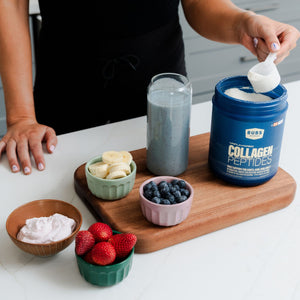
At BUBS Naturals, our commitment to clean, high-quality supplements aligns with our mission to support active lifestyles. Explore our Collagen Peptides and experience how they can enhance your wellness journey.
Lifestyle Practices to Boost Collagen Production
Adopting lifestyle changes can significantly support collagen maintenance and production. Simple practices can reinforce our body’s ability to produce collagen effectively:
1. Sun Protection
Excessive sun exposure results in damaged collagen fibers and hastens the aging process. Protecting your skin with sunscreen, wearing protective clothing, and avoiding tanning beds are crucial steps in preserving collagen.
2. Avoiding Smoking and Excess Alcohol
Tobacco smoke introduces harmful chemicals that can damage collagen, while excessive alcohol consumption can impair collagen synthesis. Eliminating these habits can help maintain healthy collagen levels.
3. Regular Exercise
Physical activity enhances blood circulation, encouraging nutrient distribution and promoting collagen production. It is essential not only for physical fitness but also for skin health.
4. Quality Sleep
A proper sleep routine is vital for tissue repair and regeneration, including collagen production. Aim for 7-9 hours of restful sleep each night to optimize skin health.
5. Hydration
Staying hydrated promotes healthy skin elasticity and helps maintain collagen levels. Drinking sufficient water throughout the day can significantly benefit your skin's appearance.
6. Stress Management
Chronic stress leads to elevated cortisol levels, which can diminish collagen synthesis. Incorporating stress-relief techniques such as mindfulness, meditation, or exercise can contribute positively to collagen production.
By integrating these lifestyle choices with our nutritional intake, we can create a supportive environment for collagen production.
What to Consider in Collagen-Rich Skincare Products
While we often focus on internal factors, topical skincare products can also enhance our skin’s appearance. When choosing skincare products, look for:
-
Hydrolyzed collagen or collagen peptides.
-
Ingredients rich in vitamin C and antioxidants.
-
Natural moisturizers that boost hydration (such as hyaluronic acid).
It's essential to understand that while topical products can maintain and hydrate our skin, they might not directly build collagen as effectively as dietary approaches. Therefore, a comprehensive strategy is prudent for achieving the desired results.
Conclusion
Collagen is pivotal for maintaining youthful, healthy skin, and understanding what helps build it can empower us on our wellness journeys. By infusing our diets with nutrient-rich foods, considering quality supplements, and adopting healthy lifestyle habits, we can support our skin’s collagen levels effectively.
At BUBS Naturals, we're proud to provide clean, functional supplements that aid in wellness pursuits—like our Collagen Peptides—and we embrace our mission to empower individuals through health. As we emphasize the importance of taking charge of our skin health, let’s forge ahead together with knowledge, intent, and a commitment to vibrant living.
FAQ
What are the best foods to boost collagen production?
Foods rich in vitamin C (citrus, peppers, and greens), amino acids (meats, fish, beans), and antioxidants (berries, green tea) are excellent for promoting collagen synthesis.
Do collagen supplements actually work?
Research indicates that collagen supplements, particularly hydrolyzed forms, can improve skin elasticity, hydration, and overall appearance. However, combining them with a nutrient-rich diet may yield the best results.
Are there side effects from collagen supplements?
Most collagen supplements are well-tolerated, but some individuals may experience digestive issues, allergic reactions, or other minor side effects. Consult with a healthcare provider before starting any new supplement.
How does sun exposure affect collagen levels?
Excessive sun exposure can damage collagen fibers in the skin, resulting in premature aging, wrinkles, and loss of elasticity. Sun protection is vital to preserving collagen.
Can skincare products with collagen actually help my skin?
While topical collagen products can offer moisture and create a protective barrier against environmental aggressors, they may not effectively build new collagen. It’s vital to integrate these products into a broader skincare and dietary strategy.
Armed with this knowledge, we're ready to embrace our wellness journeys together and experience the vibrancy that comes from proper collagen management!