Table of Contents
- Introduction
- The Role of Collagen in Skin Health
- How to Support Your Skin’s Natural Collagen Production
- Conclusion: The Path to Glowing Skin
- FAQ
The pursuit of youthful skin can feel like an uphill battle. Just as we discover the latest beauty miracles, years seem to leap forward, leaving us wondering, “What happened to my glow?” Did you know that starting in our late 20s, our bodies naturally begin to lose collagen at a rate of about 1% per year? This decline is a key culprit behind the appearance of wrinkles, loss of elasticity, and sagging skin. At BUBS Naturals, we are passionate about wellness and adventure, and today, we dive deep into the world of collagen, exploring what it does for the skin and how we can support our bodies in maintaining this vital protein.
In this post, we will elucidate the role collagen plays in skin health, understand the effects of aging and lifestyle factors on collagen production, and discuss how BUBS Naturals can help you on your wellness journey. We will also share actionable steps you can take to enhance your skin's natural collagen levels and emphasize our commitment to delivering clean, science-backed supplements to support you every step of the way.
Introduction
Have you ever wondered why some people seem to age gracefully while others don’t? The answer often lies beneath the skin's surface—collagen is a vital protein that provides structure and elasticity, shaping the youthful appearance we desire. As the most abundant protein in our bodies, collagen acts as scaffolding, holding our skin, muscles, bones, and elements of connective tissue together. However, a decline in collagen is an inevitable part of aging, leading to the common signs we dread: wrinkles, sagging, and a loss of hydration.
Understanding what collagen does for our skin not only fosters greater appreciation for our bodies, but it also nurtures our dedication to holistic wellness. By supporting our skin's internal structure, we enhance its resilience and longevity—qualities that resonate with our commitment to enjoy life to the fullest. Through this article, we aim to expand your knowledge about collagen, debunk myths, and create a stronger foundation for your skincare routine and lifestyle choices.
In the upcoming sections, we will cover:
- The fundamental role of collagen in skin health
- The impact of aging and lifestyle choices on collagen production
- Effective strategies to support your body's natural collagen synthesis
- The relationship between BUBS Naturals products and collagen support
Let’s embark on this journey together as we unravel how collagen shapes our skin’s vitality and effectiveness!
The Role of Collagen in Skin Health
Understanding Collagen
Collagen is more than a mere buzzword in the beauty industry; it is a protein that makes up approximately 30% of the total protein content in our bodies. Types of collagen I, II, and III make up the majority, with Type I being the most prevalent in our skin, representing about 90% of total collagen. This powerful protein works in tandem with other elements like elastin and hyaluronic acid, creating a framework that allows our skin to maintain its firmness, hydration, and overall suppleness.
As our skin undergoes various challenges, such as environmental damage and wear, collagen is essential for repairing and rejuvenating itself. This protein provides support to fibroblasts, the team of cells responsible for continuous cell turnover and collagen synthesis. A healthy level of collagen can enhance skin hydration, elasticity, and even help reduce visibility of fine lines and wrinkles.
The Impact of Aging on Collagen Production
From about age 25 onwards, our body’s collagen production starts to wane, leading to visible signs of aging. In women, this decline accelerates dramatically post-menopause, with studies suggesting as much as a 30% reduction in collagen production within the first five years. The result is a thinner epidermis, less elastic dermal structure, and an increase in wrinkle formation and skin laxity.
At the same time, lifestyle factors such as smoking, excessive sun exposure, and poor diet can exacerbate this decline. The effects of ultraviolet light on collagen production are particularly notable; prolonged sun exposure can lead to collagen breakdown, resulting in premature aging and skin texture deterioration.
Key Factors Affecting Collagen Levels
To better understand how to maintain or restore collagen levels, it’s important to consider both intrinsic (internal) and extrinsic (external) factors affecting your skin:
-
Intrinsic Factors: Aging, hormonal changes (especially in women), and genetics.
-
Extrinsic Factors: Lifestyle habits, diet, environmental exposure (UV rays), and stress.
By neutralizing these negative influences and engaging in positive interventions, we can better support our skin's collagen reserve.
How to Support Your Skin’s Natural Collagen Production
Now that we understand the significance of collagen, let's delve into various methods to support its production for optimum skin health.
1. Balanced Diet
Nutrition plays a vital role in collagen synthesis. Incorporating protein-rich foods can provide the amino acids needed for collagen formation. Here are some dietary components to focus on:
-
Vitamin C: Critical for collagen maturation. Found in citrus fruits, strawberries, bell peppers, and kale.
-
Amino Acids: Proline and glycine are vital. Sources include chicken skin, fish, eggs, and dairy.
-
Copper and Zinc: Essential minerals that support collagen synthesis. They can be found in nuts, seeds, legumes, and leafy greens.
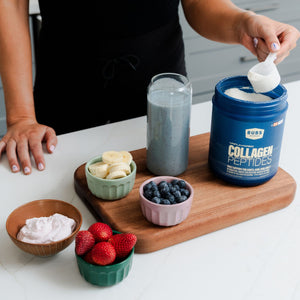
Additionally, consider incorporating BUBS Naturals’ Collagen Peptides, made from grass-fed, pasture-raised sources, to provide your body with easily absorbed collagen that promotes skin hydration and elasticity. Together, we can elevate our skin wellness journey!
2. Hydration
Water is crucial for maintaining skin elasticity and moisture. Staying hydrated can help your body support collagen and overall skin health. Make it a habit to drink adequate water daily and consume hydrating foods like cucumbers, oranges, and watermelon.
3. Sun Protection
Protecting your skin from harmful UV rays is non-negotiable. Daily use of broad-spectrum sunscreen (SPF 30 or higher) not only protects skin but also preserves its collagen. Along with sunscreen, wear protective clothing and seek shade when the sun is at its peak.
4. Lifestyle Choices
Adopting healthy lifestyle practices can make a significant difference in preserving collagen:
-
Limit Sugar Intake: High sugar and refined carb diets have been linked to collagen breakdown through glycation.
-
Quit Smoking: Smoking has detrimental effects that accelerate skin aging by breaking down collagen.
-
Moderate Alcohol Consumption: Excess consumption can impair collagen synthesis and weaken skin structure.
5. Supplements and Topical Treatments
While topical collagen creams lack the ability to penetrate the skin effectively, certain ingredients like retinoids and Vitamin C can enhance collagen production. Pairing BUBS Naturals’ Collagen Peptides with your daily skincare routine can provide added internal support for your skin’s elasticity and firmness.
Conclusion: The Path to Glowing Skin
In sum, understanding what collagen does for the skin empowers us to take action for our wellness and beauty routines. With age comes challenges, but with the right information and the commitment to support our skin's natural processes, we can foster vibrant, resilient complexions.
By prioritizing a balanced diet, hydration, sun protection, and healthy lifestyle choices, we can effectively maintain and restore our collagen levels. The inclusion of supplements like BUBS Collagen Peptides reinforces our determination to live fully and actively while honoring the legacy of Glen “BUB” Doherty through our commitment to wellness.
Collagen is not just a protein; it is an essential part of our journey toward optimal skin health. Each small step can lead to significant improvements. Let’s take these steps together!
FAQ
Q1: Can I improve my skin’s collagen levels through diet alone?
Yes, consuming a balanced diet rich in vitamins, minerals, and amino acids is crucial for collagen production. However, supplements like BUBS Collagen Peptides can provide additional support.
Q2: Are collagen supplements effective?
Research suggests collagen supplements may help improve skin hydration and elasticity. While results can vary, many users report positive changes in skin texture.
Q3: How long does it take to see effects from collagen supplements?
Results can vary, but studies typically indicate that noticeable changes may occur within 4 to 12 weeks of consistent use.
Q4: Can I take collagen if I am vegetarian or vegan?
There are plant-based alternatives available that support collagen production through vitamins and amino acids, but they do not contain collagen itself.
Q5: Is there any harm in taking collagen supplements?
Collagen supplements are generally safe for most people. However, consultation with a healthcare professional is advisable, especially if you have dietary restrictions or health concerns.
Embrace the journey towards healthier, youthful skin with BUBS Naturals. Together, we can support our bodies, honor the legacy of our namesake, and give back to those who serve. Explore our commitment to quality wellness products today!