Table of Contents
- Introduction
- Understanding the Basics of Collagen
- What Are Collagen Peptides?
- Why the "Grass-Fed" Label Is Essential
- The Role of Amino Acids in Collagen
- How Grass-Fed Collagen Supports Your Body
- Sourcing and Transparency: Why BUBS Naturals?
- How to Use Collagen Peptides for Best Results
- Practical Expectations for Collagen Supplementation
- Why Quality Matters: The BUBS Standard
- Conclusion
- FAQ
Introduction
You might notice it first in your recovery times after a long trail run or a heavy lifting session. Maybe you see it in the mirror as fine lines appear where they weren't before. These are the subtle signals that your body’s natural collagen production is slowing down. Collagen is the primary structural protein in your body, acting as the "glue" that holds your skin, joints, and connective tissues together.
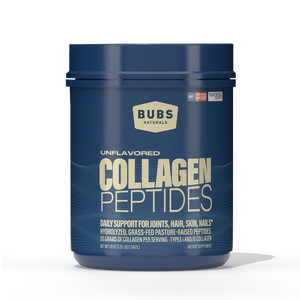
When people ask what is grass fed collagen peptides, they are usually looking for a way to support their body’s structural integrity as they age or train harder. At BUBS Naturals, we focus on providing clean, effective solutions like our Collagen Peptides that fit into an active lifestyle. Understanding what this supplement is—and why the "grass-fed" part actually matters—is the first step toward better recovery and long-term wellness.
This guide will break down the science of collagen, the process of hydrolysis, and why the source of your protein determines the results you see in the gym and in the mirror. We want to equip you with the facts so you can make an informed choice for your health and performance.
Quick Answer: Grass-fed collagen peptides are a highly absorbable form of protein sourced from cattle that graze on open pastures. These proteins are broken down into smaller chains called peptides through a process called hydrolysis, making them easier for your body to digest and use to support joints, skin, hair, and gut health.
Understanding the Basics of Collagen
Collagen is the most abundant protein in the human body. It makes up about 30% of your total protein mass. Think of it as the scaffolding for your body. It provides strength to your bones, elasticity to your skin, and resilience to your tendons and ligaments. Without it, your physical structure would essentially lose its ability to bounce back from stress.
Your body produces its own collagen by combining amino acids from the protein you eat. However, starting in your mid-20s, this natural production begins to taper off. External factors like sun exposure, high-sugar diets, and intense physical strain can accelerate this decline. This is why many people look toward supplementation to fill the gap.
Bovine collagen, which comes from cows, is one of the most common sources of supplemental collagen. It is particularly rich in Type I and Type III collagen. These specific types are the primary building blocks of your skin and the connective tissues that keep your joints moving smoothly.
What Are Collagen Peptides?
You will often see the terms "collagen" and "collagen peptides" used interchangeably, but there is a technical difference that affects how the product works. Raw collagen is a large, complex molecule. If you tried to stir raw collagen into a cold glass of water, it would clump and sit on top. More importantly, your digestive system would have a hard time breaking it down quickly enough to be useful.
Collagen peptides are created through a process called hydrolysis. In plain English, hydrolysis uses water and enzymes to break the long chains of collagen protein into much shorter chains. These shorter chains are the "peptides."
There are two major benefits to this process:
-
Solubility: Peptides dissolve easily in both hot and cold liquids. You can stir them into coffee, shakes, or water without any grit or clumping.
-
Bioavailability: This term refers to how well your body can absorb and use a substance. Because the peptides are already "pre-digested" into smaller pieces, they pass through the gut wall more efficiently and enter your bloodstream faster.
Key Takeaway: Collagen peptides are a hydrolyzed version of collagen protein. By breaking the protein into smaller chains, the supplement becomes easier to mix and significantly more bioavailable, allowing your body to put the amino acids to work immediately.
Why the "Grass-Fed" Label Is Essential
The "grass-fed" distinction isn't just a marketing buzzword; it is a standard for quality, ethics, and nutrient density. Most cattle in the industrial food system are "grain-finished." This means they spend the latter part of their lives in feedlots, eating a diet of corn and soy. This environment often requires the use of antibiotics and growth hormones to manage disease and speed up weight gain.
Grass-fed collagen comes from cattle that have been raised on open pastures. These animals spend their lives grazing on their natural diet of grass and forage. There are several reasons why this matters for your health:
Cleanliness and Purity
Cattle raised on grass are less likely to be exposed to the synthetic pesticides and fertilizers found in large-scale grain production. Because these animals are healthier, they don't require the routine antibiotics often used in crowded feedlots. When you choose a grass-fed supplement, you are choosing a product that is free from the chemical "baggage" of industrial farming.
Nutrient Profile
Research shows that grass-fed cattle often have a more favorable nutrient profile. This includes higher levels of Omega-3 fatty acids and antioxidants like Vitamin E. While the collagen itself is a protein, the overall health of the animal dictates the quality of the connective tissue and hides from which the collagen is sourced.
Ethical and Environmental Impact
Cattle that roam freely on pasture have a significantly higher quality of life. From an environmental perspective, well-managed grazing can actually help sequester carbon in the soil and improve land health. We believe that a product's origin should reflect the values of the people using it. Choosing grass-fed supports a system that treats animals and the earth with more respect.
The Role of Amino Acids in Collagen
To truly understand what is grass fed collagen peptides, you have to look at the amino acids. Collagen is unique because it has a very specific "blueprint" of amino acids that you don't find in high concentrations in other protein sources like whey or plant protein.
The three heavy hitters in collagen are glycine, proline, and hydroxyproline.
Glycine
Glycine makes up about one-third of the amino acids in collagen. It is the smallest amino acid, which allows the collagen molecule to fold into its tight, strong triple-helix shape. Beyond structure, glycine may support healthy sleep patterns and brain function. It also plays a role in how your body processes toxins.
Proline
Proline is essential for the stability of your collagen. It helps your body repair damaged tissues and supports the integrity of blood vessel walls. If you are training hard, proline is a key player in helping your tendons and ligaments stay resilient under load.
Hydroxyproline
This amino acid is almost unique to collagen. It is created from proline through a reaction that requires Vitamin C. This is why you often see collagen and Vitamin C paired together; the vitamin is a necessary co-factor for your body to actually build and repair its own collagen structures.
How Grass-Fed Collagen Supports Your Body
Supplementing with collagen isn't about the collagen "moving" directly from your stomach to your knee. Instead, when you consume peptides, your body breaks them down into individual amino acids and small peptide chains. These act as "messenger" signals to your cells, telling them to ramp up their own collagen production.
Joint Health and Mobility
Your joints are cushioned by cartilage, which is largely made of collagen. As you age or put your body through the wringer with intense exercise, that cartilage can wear down. Many athletes find that regular collagen intake may support joint comfort and flexibility. It acts as the raw material your body needs to maintain the "padding" between your bones.
Skin Elasticity and Hydration
The middle layer of your skin, the dermis, is what gives your skin its bounce and firmness. Collagen and elastin work together here. When collagen levels are high, your skin can hold more moisture and looks fuller. Supplementing with grass-fed peptides can help support skin hydration and may reduce the appearance of fine lines by strengthening the dermal layer from the inside out.
Gut Integrity
The lining of your digestive tract is made of a single layer of cells held together by "tight junctions." When these junctions weaken, it can lead to digestive discomfort and systemic issues. Collagen contains the amino acids needed to help support the integrity of this gut lining. Many people incorporate collagen into their routine as part of a general gut-health protocol.
Hair and Nail Strength
Your hair and nails are primarily made of a protein called keratin. Your body uses specific amino acids found in collagen—particularly proline—to build keratin. While results vary, many people report that their nails feel less brittle and their hair looks healthier after a few months of consistent use.
Myth: Collagen is just another protein powder like whey.
Fact: While both provide protein, their amino acid profiles are completely different. Whey is great for building muscle because it is high in branched-chain amino acids (BCAAs). Collagen is designed to support the "white tissue" of the body—joints, skin, and connective tissue—which whey does not target effectively.
Sourcing and Transparency: Why BUBS Naturals?
Not all collagen is created equal. When we started BUBS Naturals, we knew the product had to be as clean as the legacy it represents. Our Collagen Peptides are sourced from grass-fed and pasture-raised cattle in South America, where the climate allows for year-round grazing.
We don't believe in shortcuts. That's why our formula is a single-ingredient product. No fillers, no flavorings, and no sweeteners. It’s also NSF for Sport certified. This is a rigorous third-party testing process that ensures what is on the label is in the bag and that the product is free from over 280 banned substances. Whether you are a professional athlete or someone who just wants the best for their body, this certification provides a level of trust that is rare in the supplement industry.
Our collagen is designed to be "unnoticeable" in your routine but noticeable in your results. Because it is highly hydrolyzed, it dissolves instantly into your morning coffee or your post-workout hydration.
How to Use Collagen Peptides for Best Results
The best way to take collagen is the way that you will actually stick to every day. Consistency is the most important factor when it comes to seeing changes in your skin or joints. Your body needs a steady supply of these amino acids to maintain its repair processes.
The Morning Routine
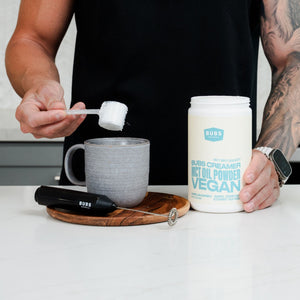
Many people find that stirring a scoop of peptides into their morning coffee is the easiest habit. Since our powder is tasteless and odorless, it won't change the flavor of your favorite roast. It’s an easy way to get 10 to 20 grams of protein before you even leave the house.
Post-Workout Recovery
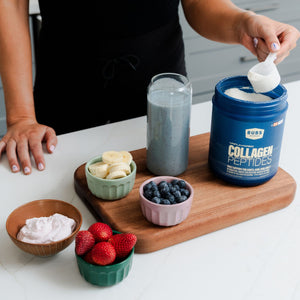
After a workout, your body is in a state of repair. Adding collagen to your post-training shake can provide the specific amino acids your tendons and ligaments need to recover from the stress of the session. We recommend pairing it with a source of Vitamin C, like a squeeze of lemon in your water or a piece of fruit, to help your body maximize its collagen synthesis.
Cooking and Baking
Because collagen peptides are heat-stable, you can use them in more than just drinks. You can stir them into oatmeal, soup, or even mix them into pancake batter. It’s a simple way to boost the protein content of a meal without changing the texture or taste.
| Supplement Type |
Primary Benefit |
Best Time to Take |
Mixes With |
| Collagen Peptides |
Joint, Skin, and Gut Support |
Morning or Post-Workout |
Coffee, Smoothies, Water |
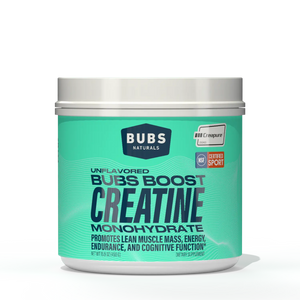
| Creatine Monohydrate |
Strength and Power |
Anytime (Daily) |
Water, Juice, Shakes |
| Hydrate or Die |
Hydration and Muscle Function |
During or After Activity |
Water |
Practical Expectations for Collagen Supplementation
It is important to remember that collagen is not an overnight fix. You didn't lose your natural collagen levels in a week, and you won't replenish them that fast either. Most people who report benefits have been using a high-quality supplement consistently for 60 to 90 days.
Your body prioritizes where it sends nutrients. If you have a nagging joint issue, your body might send those amino acids there first before it starts working on your hair or skin. Listen to your body and look for small improvements in how you move and how your skin feels over time.
Everyone's physiology is different. Factors like your age, your current diet, and your activity level will all play a role in how your body utilizes the peptides. The goal is to provide your system with the best possible raw materials so it can function at its peak.
Why Quality Matters: The BUBS Standard
When you choose a supplement, you are trusting that brand with your health. We take that trust seriously. Every bag of our collagen reflects our commitment to purity and purpose. We use the highest quality grass-fed bovine hides to ensure a clean, bioavailable product that meets the standards of elite athletes and everyday adventurers alike.
By choosing our Collagen Peptides, you aren't just getting a premium supplement; you are also supporting a larger mission. Our brand was founded to honor the legacy of Glen "BUB" Doherty, a Navy SEAL and adventurer who lived life to the fullest. We believe that wellness and purpose go hand-in-hand.
Bottom line: Grass-fed collagen peptides are a clean, effective way to support your body's structural health, provided you choose a product that is transparently sourced and properly hydrolyzed for absorption.
Conclusion
Understanding what is grass fed collagen peptides helps you see beyond the marketing and into the science of how your body stays resilient. By choosing a product that is pasture-raised, third-party tested, and designed for maximum absorption, you are giving your body the support it needs to handle whatever adventure comes next. Whether you want to support your joints for another decade of trail runs or simply want to maintain healthy skin and hair as you age, quality matters.
At BUBS Naturals, we are proud to provide a product that helps you live better while giving back. In honor of Glen "BUB" Doherty, we donate 10% of all our profits to veteran-focused charities. It’s our way of ensuring that every scoop helps someone else, too.
Ready to see the difference for yourself? Start your routine with a clean, single-ingredient grass-fed collagen that works as hard as you do, and learn more about our story and 10% Rule.
FAQ
Is grass-fed collagen better than marine collagen?
Neither is strictly "better," but they serve different needs. Grass-fed bovine collagen is high in Types I and III, which are ideal for joint support, skin elasticity, and gut health. Marine collagen is primarily Type I and is often chosen specifically for skin and beauty benefits, though it can be more expensive.
Can I get enough collagen from food alone?
While you can get collagen from eating bone broth and "nose-to-tail" cuts of meat, most modern diets are very low in these sources. Supplementing with collagen peptides provides a concentrated, easy-to-digest dose of the specific amino acids your body needs without the long simmering time required for homemade broths.
Is grass-fed collagen vegan or vegetarian?
No, grass-fed collagen is sourced from cattle, so it is an animal-based product. There is no such thing as "vegan collagen," although there are vegan supplements that provide the vitamins and minerals (like Vitamin C and zinc) that help your body produce its own collagen naturally.
Does it matter what time of day I take my collagen?
Consistency is much more important than the specific time of day. Some people prefer taking it in the morning to start their day with protein, while others like taking it after a workout to aid in recovery. Choose a time that allows you to make it a daily habit.