Table of Contents
- Introduction
- The Language of Collagen
- What is Hydrolysis?
- The Importance of Bioavailability
- Comparing Different Forms of Collagen
- Benefits for an Active Lifestyle
- Why Quality and Sourcing Matter
- How to Use Hydrolyzed Collagen Effectively
- The BUBS Naturals Approach
- Bottom Line
- FAQ
Introduction
If you have spent any time looking at supplement labels, you have likely run into a confusing wall of terminology. You might see one tub labeled as "Collagen Peptides," another as "Hydrolyzed Collagen," and a third as "Collagen Hydrolysate." It is enough to make anyone pause and wonder if they are buying the right thing for their joints, skin, or post-workout recovery. When you are trying to dial in your nutrition, the last thing you want is a vocabulary lesson standing between you and your goals.
At BUBS Naturals, we believe that wellness should be straightforward and backed by clean science. We know that the jargon surrounding supplements can feel like a barrier to entry, but when it comes to collagen, the answer is simpler than it appears. This guide is designed to clear up the confusion regarding these terms, explain how the process works, and help you understand why this specific form of protein is a staple for active lifestyles.
The short answer is that these terms are used to describe the exact same product. Whether a label says hydrolyzed collagen or collagen hydrolysate, you are looking at collagen that has been broken down into smaller, more absorbable pieces.
Quick Answer: Yes, collagen hydrolysate and hydrolyzed collagen are the same thing. Both terms refer to collagen that has undergone hydrolysis, a process that breaks down long protein chains into smaller "peptides" that are easier for your body to absorb and use.
The Language of Collagen
To understand why we have two different names for the same thing, we have to look at how language is used in the supplement industry. In most cases, the difference is simply a matter of "process" versus "result."
"Hydrolyzed collagen" uses the word "hydrolyzed" as a descriptor. It tells you what has been done to the collagen. It is collagen that has undergone the process of hydrolysis. On the other hand, "collagen hydrolysate" is the noun form of the result. It refers to the substance created by the process.
Think of it like "ground coffee" versus "coffee grounds." One describes what happened to the beans, while the other describes the final product in the tin. In the world of biology and nutrition, you will find both used interchangeably. In recent years, a third term, "collagen peptides", has become the most popular choice for brands because it sounds more modern and focuses on the bioactive pieces—the peptides—that do the work in your body.
Why the Confusion Exists
The reason you see so many different names on the shelf is often due to legacy branding or regional preferences. Older scientific studies and medical texts frequently used "collagen hydrolysate." As the supplement industry grew and moved into the mainstream fitness and beauty markets, "hydrolyzed collagen" and "collagen peptides" became the standard.
Regardless of the name on the front of the tub, the raw material and the outcome remain the same. The goal is to take a large, tough protein and make it small enough for the human digestive system to handle efficiently.
What is Hydrolysis?
To appreciate why we want our collagen to be hydrolyzed, we have to look at what collagen is in its natural state. Collagen is the most abundant protein in the human body. It acts as the "glue" that holds everything together, providing structure to your skin, strength to your bones, and elasticity to your tendons and ligaments.
In its raw form, such as what you would find in animal hides or connective tissue, collagen is a massive molecule. It consists of three long chains of amino acids wrapped tightly together in a triple helix. This structure is incredibly strong—which is great for your Achilles tendon—but it is very difficult to digest. If you were to consume "native" or unhydrolyzed collagen, your body would struggle to break those tough bonds down, and most of it would simply pass through your system without being absorbed.
Hydrolysis is the process of using water and enzymes to "snip" those long chains into much smaller pieces.
-
Thermal Treatment: The raw collagen is often heated to begin loosening the bonds.
-
Enzymatic Action: Specific enzymes are added to the mixture. These enzymes act like microscopic scissors, cutting the long protein chains at specific points.
-
Resulting Peptides: The result is a collection of short-chain amino acids known as peptides.
These peptides have a much lower molecular weight than the original protein. Because they are smaller, they are highly soluble in water and, more importantly, highly bioavailable.
Key Takeaway: Hydrolysis is the essential "pre-digestion" step that turns a tough, indigestible protein into a highly bioavailable powder that can be easily absorbed into the bloodstream.
The Importance of Bioavailability
Bioavailability refers to how much of a substance actually enters your circulation and is able to have an active effect. You could eat the highest quality protein in the world, but if your body cannot break it down and move it into the bloodstream, it provides very little value.
When you consume hydrolyzed collagen, the small peptides are able to pass through the intestinal wall much more effectively than a standard protein. Once they are in your system, these peptides travel to the areas where they are needed most—like your joints, skin, and muscles. If you want a broader overview of hydration support alongside recovery, our guide on Does Electrolyte Water Work? Your Guide to Smart Hydration is a helpful companion read.
Research suggests that these peptides do more than just provide raw building blocks. They may also act as signaling molecules. When your body detects a high concentration of these specific collagen peptides, it may trigger your own internal cells (called fibroblasts in the skin and chondrocytes in the joints) to ramp up their own natural collagen production. This "double-action"—providing the materials and the signal—is why hydrolyzed collagen is so popular for recovery and aging.
Comparing Different Forms of Collagen
While we have established that hydrolyzed collagen and hydrolysate are the same, it is helpful to compare them to other forms of collagen you might encounter.
Collagen vs. Gelatin
You may have heard that gelatin is also good for you. Gelatin is actually a form of collagen that has been partially hydrolyzed. When you cook bone broth or make a tray of Jell-O, you are using gelatin.
The main difference is the degree of breakdown. Gelatin has been broken down enough to be digestible, but the chains are still long enough that they "gel" when cooled. This is why bone broth turns into a jelly-like substance in the fridge.
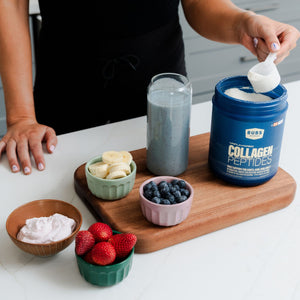
Hydrolyzed collagen takes the process one step further. It is broken down into such small pieces that it will never gel. It dissolves completely in cold or hot water and stays liquid. For most people, this makes it a much more versatile supplement. You can stir our Collagen Peptides into your morning coffee or a cold post-workout shake without changing the texture of the drink.
Native (Undenatured) Collagen
You might also see "Type II Undenatured Collagen" on some labels, usually in very small capsules. This is not hydrolyzed. It is kept in its large, native state. The goal here is not protein absorption, but rather an immune system response in the gut that may help with joint inflammation. It serves a very different purpose than the 10-20 gram servings of hydrolyzed collagen used for structural support and recovery.
Table: Quick Comparison of Collagen Forms
| Feature |
Hydrolyzed Collagen / Hydrolysate |
Gelatin |
Native Collagen |
| Molecular Weight |
Very Low (3-6 kDa) |
Medium |
Very High |
| Solubility |
Dissolves in hot and cold |
Dissolves only in hot |
Insoluble |
| Gelling |
No |
Yes (when cooled) |
No |
| Primary Use |
Daily supplement, recovery, skin |
Cooking, gut health, thickening |
Specific joint support |
| Absorption |
Highest |
Moderate |
Low |
Benefits for an Active Lifestyle
The reason so many athletes and outdoor enthusiasts reach for collagen is that our bodies’ natural production begins to decline as early as our mid-20s. By the time you are in your 30s or 40s, your body is producing significantly less collagen than it did in your youth. For someone who trains hard, runs trails, or spends weekends in the mountains, this decline can show up as lingering joint discomfort or slower recovery times.
Joint Health and Mobility
Your joints are cushioned by cartilage, which is largely made of collagen. When that cartilage begins to wear down, you feel it. Supplementing with hydrolyzed collagen may help support the integrity of that cartilage. Because the peptides can reach the joint space, they provide the specific amino acids—proline, hydroxyproline, and glycine—needed to maintain healthy connective tissue. Many athletes report that consistent use helps their knees and elbows feel more resilient during high-impact activities.
Muscle Recovery
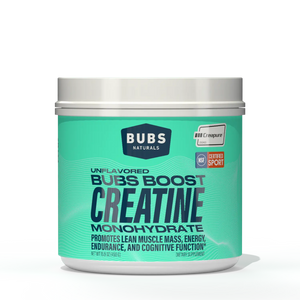
While collagen is not a complete protein (it lacks the essential amino acid tryptophan), it is an excellent "recovery" protein. It contains high concentrations of glycine, which plays a role in the synthesis of Creatine Monohydrate. Taking collagen after a workout may support the repair of the connective tissues—tendons and ligaments—that are often overlooked in favor of muscle fiber repair. A strong muscle is only as good as the tendon that attaches it to the bone.
Skin, Hair, and Nails
This is the most well-known benefit of collagen, but it is not just about aesthetics. Healthy skin is your body’s first line of defense. Hydrolyzed collagen helps maintain the "dermal matrix," the underlying structure that keeps skin hydrated and elastic. For those who spend a lot of time outdoors exposed to the elements, supporting skin health from the inside out is a practical move.
Gut Health Support
The lining of your digestive tract is made up of connective tissue. The amino acids in hydrolyzed collagen, particularly glycine and glutamine, are essential for maintaining a strong and healthy gut lining. A healthy gut means better nutrient absorption and a more robust immune system, both of which are critical for anyone living an active life.
Why Quality and Sourcing Matter
Not all hydrolyzed collagen is created equal. Because the process involves enzymes and raw animal materials, the source of that material is the most important factor in the quality of the final product.
When we developed our products, we focused on two main pillars: purity and performance. We use grass-fed, pasture-raised bovine hides for our Collagen Peptides. This ensures that the raw material is free from the hormones and antibiotics often found in factory-farmed cattle.
The Importance of Third-Party Testing
The supplement industry can sometimes be a "wild west" of claims. That is why we emphasize third-party testing. Our products are NSF for Sport certified. This is a rigorous certification that ensures the product contains exactly what it says on the label and is free from over 280 substances banned by major athletic organizations. Whether you are a professional athlete or a weekend warrior, you deserve to know that what you are putting in your body is clean and safe.
Solubility and Mixability
A common complaint with cheaper collagen hydrolysates is that they clump or have a strong "cow-like" taste. Higher-quality hydrolysis processes result in a finer, more neutral-tasting powder. Our collagen is designed to be "unflavored" in the truest sense of the word. It should disappear into your coffee, tea, or smoothie without leaving a chalky residue or changing the flavor profile of your drink.
Myth: All collagen powders are the same, so you should just buy the cheapest one.
Fact: Sourcing and processing vary significantly. Lower-quality collagen may contain fillers, have poor solubility, or be sourced from animals raised with antibiotics and hormones. Quality matters for both safety and effectiveness.
How to Use Hydrolyzed Collagen Effectively
If you decide to add hydrolyzed collagen to your routine, consistency is the most important factor. Unlike a caffeine pill or an electrolyte drink, you won't feel the effects of collagen in thirty minutes. It works by building up the structural "bank account" of your body over time.
Dosage and Timing
Most research suggests a daily dose of 10 to 20 grams. This is typically one or two scoops of a high-quality powder.
-
Morning: Many people prefer to start their day with a scoop in their coffee. It provides a quick hit of protein and sets a healthy tone for the day.
-
Post-Workout: Adding collagen to your post-run or post-lift shake helps support the connective tissues while they are in a state of repair.
-
Before Bed: Some find that the glycine in collagen helps support a more restful night's sleep.
You can mix it into almost anything. Because it is heat-stable, it won't lose its effectiveness in hot liquids. It can be stirred into oatmeal, mixed into yogurt, or even added to pancake batter.
Pairing with Vitamin C
Your body needs Vitamin C to actually "do something" with the collagen you ingest. Vitamin C acts as a co-factor in the synthesis of new collagen fibers. While many people get enough Vitamin C from their diet, taking a Vitamin C supplement or eating citrus alongside your collagen can help maximize the benefits. This is why our collagen routine often pairs naturally with clean hydration support like Hydrate or Die electrolytes.
The BUBS Naturals Approach
We didn't start this brand just to sell supplements. We started it to honor the legacy of a friend, Glen "BUB" Doherty. Glen was a Navy SEAL, an adventurer, and someone who lived life to the fullest. He believed in pushing limits and taking care of the people around him.
Our commitment to "no BS" ingredients stems from that legacy. We don't use fillers, artificial sweeteners, or complicated chemical additives. We focus on simple, functional products that help you stay in the game longer. Whether it's our MCT Oil Creamer or our Collagen Peptides, everything we make is designed to be easily integrated into a busy, active life.
The 10% Rule
One of the most important things that sets us apart is our mission. We believe that a company should stand for more than just its bottom line. In honor of Glen, we donate 10% of all our profits to veteran-focused charities. When you want a deeper look at that mission, Giving Back to Veterans & Our Communities explains how that support shows up in practice. When you choose our products, you aren't just supporting your own wellness; you are helping to support the men and women who have served our country. It is our way of ensuring that the spirit of adventure and service lives on in everything we do.
Bottom Line
Hydrolyzed collagen and collagen hydrolysate are different names for the same powerful supplement. The process of hydrolysis is what makes the protein bioavailable and easy for your body to use. By breaking down the long, tough chains of native collagen into small peptides, we create a product that may support your joints, skin, and recovery without the digestive struggle.
Choosing a high-quality, third-party tested source like BUBS Naturals ensures that you are getting a clean product that actually works. If you want to explore our broader collagen education, Choosing Your Supplement: What Type of Collagen Should I Take? is a helpful next step. Wellness isn't about finding a miracle cure; it's about making small, consistent choices that add up over time. Adding a scoop of collagen to your daily routine is a simple way to invest in your long-term mobility and health.
FAQ
Is there any difference between collagen peptides and hydrolyzed collagen?
No, there is no functional difference between the two. "Collagen peptides" refers to the end product—the small chains of amino acids—while "hydrolyzed collagen" refers to the process used to create them. Both terms are used interchangeably by brands and researchers to describe the same high-absorption collagen powder.
Can I take hydrolyzed collagen every day?
Yes, many people take hydrolyzed collagen daily as part of their long-term wellness routine. Because it is a protein supplement, it is generally considered safe for daily use. Consistency is key, as it takes time for the body to utilize the amino acids and for you to notice improvements in joint comfort or skin elasticity.
How long does it take to see results from taking collagen?
Results vary from person to person, but most studies indicate that it takes about 4 to 12 weeks of consistent use to see noticeable changes. Skin hydration and nail strength are often the first things people notice, while joint support and bone health benefits typically take longer to manifest.
What is the best way to mix collagen powder?
High-quality hydrolyzed collagen is designed to be versatile and should dissolve easily in both hot and cold liquids. The most popular way to use it is by stirring a scoop into your morning coffee or blending it into a smoothie. You can also mix it into soups, oatmeal, or even plain water, as it should be virtually tasteless and odorless.