Table of Contents
- Introduction
- Understanding the Connection: Ligaments and Collagen
- How Ligaments Heal: The Three Stages of Repair
- Is Collagen Good for Torn Ligaments? The Science of Recovery
- The Critical Role of Vitamin C and Co-factors
- Maximizing Recovery: Timing and Mechanical Loading
- Choosing the Right Supplement for Ligament Support
- Beyond Supplements: Lifestyle Factors for Connective Tissue Health
- Conclusion
- FAQ
Introduction
A torn ligament is more than just a setback; it is a full stop for most active lifestyles. Whether it is a sprained ankle on a trail run or a more serious ACL tear on the field, these injuries involve the fibrous connective tissues that hold your skeleton together. When a ligament tears, your body immediately begins a complex rebuilding process that requires specific structural components.
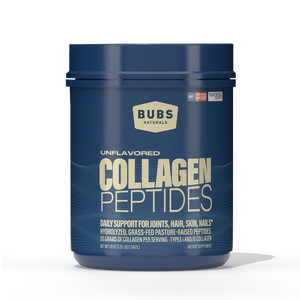
One of the most vital components in this process is collagen. As the primary protein found in connective tissue, it acts as the scaffolding for your ligaments. At BUBS Naturals, we focus on providing clean, science-backed tools like our Collagen Peptides to help you get back to doing what you love.
This guide explores the relationship between collagen and ligament repair. For a deeper look at the ingredient itself, read What Are Collagen Peptides and Their Benefits? We will look at what the research says, how your body uses supplemental nutrients during recovery, and the best way to support your joints after an injury. The goal is to provide a clear, evidence-based look at whether collagen is a useful addition to your recovery protocol.
Quick Answer: Research suggests that collagen supplementation may support the healing of torn ligaments by providing the specific amino acids, such as glycine and proline, needed to rebuild connective tissue. When combined with targeted physical therapy and Vitamin C, collagen can help improve tissue strength and joint functionality during the recovery process.
Understanding the Connection: Ligaments and Collagen
To understand if collagen is good for torn ligaments, you first need to know what a ligament is made of. Ligaments are tough, elastic bands of tissue that connect bone to bone. Their primary job is to stabilize your joints and prevent excessive or harmful movement.
Collagen makes up approximately 80% of the dry weight of a ligament. Specifically, ligaments are comprised mostly of Type I collagen. These fibers are arranged in a dense, parallel fashion, which gives the ligament its incredible tensile strength. Think of it like a high-performance climbing rope: it needs to be strong enough to hold weight but flexible enough to handle movement. For a closer look at the building blocks, see What Ingredients Are in Collagen Peptides? Understanding the Basics and Benefits.
When a ligament is overstretched or torn, these collagen fibers are disrupted. A grade one sprain involves micro-tears, while a grade three tear is a complete rupture. In either case, the body’s priority is to lay down new collagen to bridge the gap and restore stability to the joint. If you want the broader picture, see Understanding What Collagen Does for Your Body and Wellness.
The Role of Type I and Type III Collagen
During the initial stages of healing, your body actually uses different types of collagen. Initially, the body produces Type III collagen. This version is more flexible and can be "knitted" together quickly to stabilize the injury site. However, Type III is not as strong as Type I.
As you progress through your recovery, your body undergoes a process called remodeling. This is where the temporary Type III collagen is replaced by the much stronger, more durable Type I collagen. This transition is critical. If the body lacks the proper nutrients to complete this remodeling, the ligament may remain weak or prone to re-injury.
Bottom line: Ligaments are primarily made of collagen, and the healing process relies entirely on the body's ability to synthesize and organize new collagen fibers at the injury site.
How Ligaments Heal: The Three Stages of Repair
Ligament healing does not happen overnight. It follows a specific biological timeline, and collagen plays a role in every phase.
Phase 1: The Inflammatory Phase
This starts immediately after the injury and lasts for a few days. Blood flow increases to the area, and cells called fibroblasts migrate to the site. These cells are the "engine rooms" of collagen production. They prepare the area for the rebuilding process.
Phase 2: The Proliferative Phase
This phase can last several weeks. This is when the heavy lifting begins. Fibroblasts start producing Type III collagen at a rapid pace. At this stage, the "scab" of the internal injury is formed. The tissue is disorganized and weak, which is why protection and limited movement are often necessary during this time.
Phase 3: The Remodeling Phase
This is the longest phase, often lasting months. The body slowly replaces the Type III collagen with Type I collagen. The fibers also begin to align themselves according to the stress placed on the joint. This is why physical therapy is so important; the movement tells the collagen fibers exactly how to line up to provide the best support.
Is Collagen Good for Torn Ligaments? The Science of Recovery
When you consume collagen, your body breaks it down into small pieces called peptides and amino acids. These travel through your bloodstream to the areas where they are needed most. For someone with a torn ligament, those nutrients are directed toward the fibroblasts at the injury site.
Several studies have investigated how supplemental collagen affects this process. One notable study followed athletes over a 24-week period and found that those taking collagen peptides reported significantly lower joint pain and improved functionality. Another study indicated that taking 5g to 15g of collagen daily could help improve the mechanical properties of tendons and ligaments.
Bioavailability and Absorption
A common question is whether eating collagen actually helps your ligaments or if it just gets treated like any other protein. Collagen is unique because it has a very high concentration of glycine, proline, and hydroxyproline. These specific amino acids are the primary ingredients your body needs to build its own collagen.
While you can get these from other protein sources like steak or chicken, collagen supplements are "hydrolyzed." This means the protein chains are already broken down into smaller pieces, making them easier for your body to absorb and utilize quickly.
Key Takeaway: Supplemental collagen provides a concentrated source of the specific amino acids required for ligament repair. Research indicates that this "targeted nutrition" may help the body rebuild stronger, more functional tissue during the remodeling phase of recovery.
Myth: Collagen is just a "beauty supplement" for skin and hair.
Fact: While collagen is great for skin, it is a structural protein essential for the integrity of bones, tendons, and ligaments. It is a performance and recovery tool used by athletes to support joint health.
The Critical Role of Vitamin C and Co-factors
Collagen does not work in a vacuum. To turn those amino acids into actual ligament tissue, your body requires specific co-factors. The most important of these is Vitamin C.
Vitamin C acts as a catalyst in the collagen synthesis process. Specifically, it is required for an enzyme that stabilizes the collagen molecule’s triple-helix structure. Without enough Vitamin C, the collagen your body produces will be weak and unstable. This is why many recovery protocols suggest taking collagen alongside a source of Vitamin C, like products in our Boosts collection.
Other minerals like copper and zinc also play supporting roles in cross-linking the collagen fibers, ensuring they are woven together tightly. A balanced approach to nutrition ensures that the "building materials" (collagen) and the "tools" (Vitamin C and minerals) are both present.
Maximizing Recovery: Timing and Mechanical Loading
One of the most interesting findings in sports science is the "window" for collagen supplementation. Unlike some supplements that you can take any time, collagen for ligament health may be most effective when timed with your rehabilitation exercises.
Ligaments and tendons have a very poor blood supply compared to muscles. They get most of their nutrients through a process called "diffusion," which happens when the joint is moved. As you exercise or do physical therapy, the movement acts like a pump, squeezing old fluid out of the connective tissue and drawing in new, nutrient-rich fluid.
The 60-Minute Rule
Many experts recommend taking your collagen supplement roughly 30 to 60 minutes before your physical therapy or rehab session. This ensures that the levels of glycine and proline in your blood are at their peak just as you begin the movement that will "pump" those nutrients into the ligament.
Progressive Loading
Movement is the signal that tells your body how to arrange the new collagen. If you stay completely still, the new tissue may grow in a "jumbled" way, leading to stiffness and weakness. Controlled, progressive loading—the kind you do in physical therapy—tells the collagen fibers to align in the direction of the force, making the ligament stronger and more resilient.
Note: Always consult with a healthcare professional or physical therapist before starting a new exercise or supplement routine after a significant injury. They can help you determine the appropriate level of "loading" for your specific stage of healing.
Choosing the Right Supplement for Ligament Support
Not all collagen is created equal. If you are using it to support the recovery of a torn ligament, you want a product that is clean, easy to use, and backed by high standards.
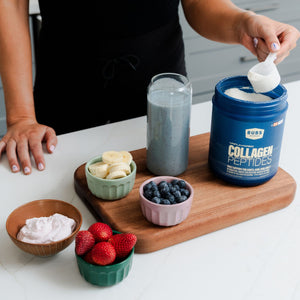
When we developed BUBS Naturals Collagen Peptides, we focused on two main things: purity and performance. Our collagen is grass-fed and pasture-raised, ensuring you get high-quality Type I and Type III peptides. Because it is hydrolyzed, it dissolves instantly in water, coffee, or a pre-rehab shake.
NSF for Sport Certification
For athletes and veterans, trust is everything. Many supplements on the market contain fillers or unlisted ingredients. We ensure our NSF-certified collagen peptides. This means every batch is third-party tested to be free of banned substances and that it contains exactly what is on the label. When you are recovering from an injury, you need to know exactly what is going into your body.
Dosage Recommendations
While individual needs vary, most research points to a daily dose of 10g to 20g for those looking to support joint and connective tissue health. A single scoop of our collagen provides 20g of protein, making it an easy way to hit those research-backed targets.
Bottom line: Quality matters. Look for hydrolyzed peptides from grass-fed sources and ensure the product is third-party tested to avoid fillers and contaminants.
Beyond Supplements: Lifestyle Factors for Connective Tissue Health
While collagen and Vitamin C are powerful tools, they are part of a larger picture. Several lifestyle factors can either help or hinder your body’s ability to repair a torn ligament.
Hydration and Electrolytes
Connective tissue is highly hydrated. Water helps maintain the elasticity of ligaments. If you are dehydrated, your tissues become more brittle and prone to further injury. Using a clean electrolyte mix like our Hydrate or Die can help maintain the fluid balance necessary for healthy tissue function.
Sleep and Growth Hormone
Most tissue repair happens while you sleep. This is when your body releases growth hormone, which stimulates the fibroblasts to produce more collagen. Prioritizing 7–9 hours of quality sleep is just as important as your supplement routine.
Avoiding Inflammatory Triggers
Excessive sugar intake can lead to a process called glycation, where sugar molecules attach to collagen fibers. This makes the collagen stiff and brittle, which is the last thing you want when recovering from a tear. Focusing on a clean, whole-food diet supports the inflammatory balance needed for healing.
Managing Stress
Chronic stress raises cortisol levels, which can actually break down collagen over time. Finding ways to manage the mental stress of being sidelined by an injury—whether through light movement, social connection, or breathwork—can physically improve your recovery environment.
Conclusion
Is collagen good for torn ligaments? The evidence points toward a clear "yes," provided it is part of a comprehensive recovery strategy. By providing the structural building blocks and timing your intake with physical therapy, you can support your body’s natural healing process. Recovery is not just about waiting for time to pass; it is about giving your body the specific resources it needs to rebuild.
At BUBS Naturals, we believe in products that serve a purpose. Our BUBS story is rooted in the legacy of Glen "BUB" Doherty, a man who lived a life of adventure and service. In his honor, we donate 10% of all our profits to veteran-focused charities. When you choose our products, you are not just supporting your own recovery—you are contributing to a larger mission of helping those who have served.
Take the next step in your recovery journey by focusing on quality nutrition and consistent movement. Your body is capable of incredible things when it has the right support.
"The only way to do great work is to love what you do." — A philosophy that applies to your training, your recovery, and your life.
-
Prioritize Quality: Use NSF for Sport certified collagen.
-
Time it Right: Take your collagen 30–60 minutes before rehab.
-
Add Vitamin C: Ensure you have the co-factors needed for synthesis.
-
Move Wisely: Work with a professional to load the joint progressively.
FAQ
How long does it take for collagen to help a torn ligament?
Ligament healing is a slow process that typically takes weeks for initial repair and months for full remodeling. Most people who use collagen for joint and ligament support report noticeable differences in comfort and mobility after consistent use for 8 to 12 weeks.
Can I get enough collagen from food alone?
While you can get the amino acids for collagen from meat, fish, and bone broth, supplements offer a much more concentrated and bioavailable form. Hydrolyzed collagen is broken down into smaller peptides, allowing for faster absorption compared to the large protein structures found in whole foods.
Does collagen help with all types of ligament injuries?
Collagen may support the healing of various ligament injuries, from minor grade one sprains to post-surgical recovery for grade three tears. However, the severity of the injury will dictate your overall timeline and the necessity of medical interventions like surgery or intensive physical therapy.
Should I take collagen every day or only on rehab days?
Consistency is key for collagen synthesis. While timing it before rehab is beneficial for nutrient delivery to the joint, taking it daily ensures your body always has a steady supply of glycine and proline available for the ongoing remodeling phase of healing.