Table of Contents
- Introduction
- The Essence of Collagen
- Nutritional Pathways to Boost Collagen
- The Role of Supplements in Collagen Production
- Lifestyle Habits to Protect Collagen Levels
- Conclusion
- FAQ
Introduction
Did you know that collagen is one of the most abundant proteins in our bodies, accounting for approximately one-third of our total protein content? It plays a pivotal role in the structure and elasticity of our skin, giving it that youthful glow. However, collagen production naturally decreases as we age, leading to the appearance of fine lines, wrinkles, and sagging skin. The decline can be as much as 30% in the first five years following menopause, making it a critical period for skin health.
Understanding how to increase collagen for skin is essential, not just for aesthetics but also for overall wellness. In this blog post, we will delve into the various methods to boost collagen levels in the body, exploring dietary choices, lifestyle habits, and the use of effective supplements.
What can you expect? By the end of this post, you will have a comprehensive understanding of how to support and enhance your skin's collagen production, while also learning about BUBS Naturals’ clean, science-backed solutions to aid you on this journey.
Let’s embark on this adventure of rejuvenating our skin together, all while honoring the spirit of wellness and giving back that embodies BUBS Naturals.
The Essence of Collagen
Collagen is a key structural protein mainly found in connective tissues, including the skin, bones, tendons, and cartilage. It provides strength and elasticity, enabling our skin to bounce back from stretches and pressures. Given that collagen makes up about 70-80% of skin tissue, the effects of diminishing collagen levels can be incredibly pronounced.
The reduction in collagen production due to aging and external factors can lead to various visible skin issues:
-
Wrinkles: Fine lines and deeper creases form as skin elasticity decreases.
-
Sagging: The skin may lose firmness, contributing to a tired or aged appearance.
-
Thinning Skin: Aging skin can become fragile and translucent, making veins and imperfections more visible.
With that understood, let’s explore practical strategies for how to increase collagen for skin health.
Nutritional Pathways to Boost Collagen
Diet plays a crucial role in the body's ability to produce collagen. Consuming foods rich in the necessary components for collagen synthesis can do wonders for your skin. Here are several foods and nutritional strategies that are essential:
1. Protein-Rich Foods
Your body requires specific amino acids to produce collagen, particularly proline, glycine, and hydroxyproline. To increase collagen production, we should include the following protein-rich foods:
-
Beef and Chicken: Rich sources of collagen from the connective tissues.
-
Fish: Notably, fish skin and cartilage varieties offer beneficial collagen.
-
Eggs: The whites contain proline, a crucial amino acid for collagen synthesis.
-
Beans: These are high in protein and also contain lysine, vital for collagen support.
2. Fruits and Vegetables High in Vitamin C
Vitamin C is essential for collagen formation. Incorporating the following vitamin C-rich foods into our diet can enhance collagen synthesis:
-
Citrus fruits: Oranges, grapefruits, and lemons.
-
Berries: Strawberries, blueberries, and raspberries not only provide vitamin C but are rich in antioxidants that protect skin health.
-
Leafy Greens: Spinach, kale, and broccoli offer a wealth of nutrients necessary for collagen production.
3. Incorporating Zinc and Copper
Zinc and copper are crucial for collagen production, and we can find these minerals in:
-
Nuts and Seeds: Particularly cashews and sunflower seeds for zinc.
-
Shellfish: Oysters are incredibly high in both zinc and copper.
-
Legumes: Lentils and chickpeas also contribute these necessary minerals.
4. Special Collagen-Boosting Foods
Some foods have additional properties that may boost collagen production:
-
Bone Broth: This traditional remedy is rich in collagen and can be incorporated into soups and stews. At BUBS Naturals, we celebrate the power of natural ingredients, including our commitment to enriching your wellness with collagen sources.
-
Garlic: High in sulfur, garlic can help prevent the breakdown of collagen. Adding garlic to meals not only enhances taste but also provides skin benefits.
By focusing on a varied diet rich in these foods, we can empower our bodies to support and produce more collagen naturally.
The Role of Supplements in Collagen Production
With our diets established, sometimes it’s beneficial to consider the supportive role dietary supplements can play in our quest for youthful skin. At BUBS Naturals, we understand the importance of the right supplements in enhancing overall wellness. Let’s explore collagen supplementation:
1. Types of Collagen Supplements
There are primarily three types of collagen supplements derived from various sources:
-
Type I: Found mainly in skin, tendons, and bones, this is the most abundant and beneficial for skin health.
-
Type II: Generally found in cartilage, it’s more beneficial for joint health than skin.
-
Type III: This type often coexists with Type I and may be beneficial for skin elasticity.
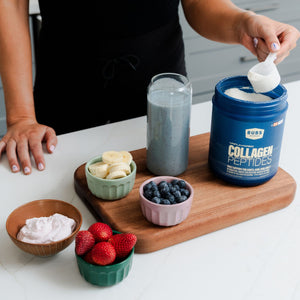
Hydrolyzed collagen (collagen peptides) are the most popular form due to their enhanced absorption in the body. A scoop of our Collagen Peptides can be easily added to smoothies, coffee, or soups, making it effortless to incorporate into our daily routine. Explore the power of our Collagen Peptides for skin and joint support.
2. The Science Behind Effectiveness
Recent studies show promise in collagen supplementation:
- A systematic review highlighted that participants who used collagen supplements orally experienced improved skin hydration, elasticity, and a reduction in visible wrinkles.
Despite the promising data, we always encourage consulting with a healthcare professional before beginning any new supplement.
Lifestyle Habits to Protect Collagen Levels
Diet and supplements are powerful allies in increasing collagen for skin, but healthy lifestyle choices are equally crucial. Here are some habits to adopt:
1. Sun Protection
Excessive sun exposure can damage collagen and accelerate aging. Wearing sunscreen daily and protective clothing helps safeguard skin health.
2. Avoiding Smoking and Excess Alcohol
Both habits can deteriorate collagen levels. Reducing or eliminating these substances can significantly benefit overall skin health.
3. Adequate Sleep and Stress Management
Lack of sleep and high-stress levels lead to increased cortisol in the body, which can negatively impact collagen production. Prioritizing good sleep hygiene and stress mitigations such as meditation or yoga can promote better skin health.
4. Regular Exercise
Regular physical activity boosts circulation, which can enhance nutrient delivery to skin cells and promote overall health.
Conclusion
Boosting collagen production for healthier, more youthful skin is a multi-faceted endeavor that encompasses a nutrient-rich diet, strategic supplement use, and healthy lifestyle habits. At BUBS Naturals, we believe in empowering everyone to embrace wellness through clean, science-backed products. By weaving together natural ingredients and mindful practices, we reflect the legacy of Glen “BUB” Doherty, propelling ourselves toward a life of adventure, wellness, and purpose.
For those ready to deepen their commitment to skin health, we invite you to explore our full range of products. Together, we can stack the odds in our favor against aging!
FAQ
Q: Can food alone restore my collagen levels?
A: While food plays a critical role in providing the nutrients necessary for collagen production, a holistic approach combining diet, supplements, and healthy lifestyle choices is most effective for restoring and enhancing collagen levels.
Q: How soon can I expect to see results from collagen supplements?
A: Generally, most studies report noticeable improvements in skin hydration and elasticity within 8-12 weeks of consistent collagen supplementation.
Q: Are there any side effects of collagen supplements?
A: Collagen supplements are generally safe, but some individuals may experience digestive discomfort. As always, consult with a healthcare professional before starting a new supplement.
Q: Is there a specific brand of collagen that you recommend?
A: We recommend our own BUBS Naturals Collagen Peptides. They are derived from grass-fed, pasture-raised sources, are easily absorbed, and can be seamlessly integrated into your daily routine.
Q: Can I use collagen creams for skin health?
A: Topical collagen products may provide hydration but do not penetrate deep into the skin to enhance collagen production effectively. Prioritizing dietary sources and supplements is typically more beneficial.