Table of Contents
- Introduction
- Understanding Collagen and Its Importance in Skin Health
- Factors Impacting Collagen Production
- How to Naturally Boost Collagen Levels
- The Role of Topical Treatments
- Conclusion
- FAQ
From crow's feet to sagging cheeks, signs of aging can often feel inescapable. But did you know that at the core of our skin's firmness and elasticity lies collagen, the most abundant protein in our bodies? As we age, our natural collagen production decreases, leading to fine lines and wrinkles. This phenomenon has sparked a growing interest in collagen supplements and skin treatments. At BUBS Naturals, our mission is to empower you with clean, effective solutions for wellness inspired by adventure and the legacy of Glen “BUB” Doherty. In this article, we’ll explore how to boost collagen in your skin, the role of collagen in skin health, and various methods—including our signature supplements—aimed at nourishing this vital protein.
Introduction
Collagen is often referred to as the body's scaffolding, providing structure, elasticity, and support to tissues, especially our skin. Shockingly, collagen accounts for about 30% of the body's total protein. As we enter our 20s and beyond, collagen production naturally slows down due to aging. Factors like sun exposure, smoking, and poor nutrition can exacerbate this decline. What does this mean for our skin? Reduced collagen levels can result in loss of elasticity, increased wrinkles, and a tired appearance.
So, how can we reverse this trend and enhance our skin’s collagen levels? This article will equip you with the knowledge of collagen’s function, the effects of aging on collagen production, nutritional sources that promote collagen synthesis, and actionable steps incorporating our BUBS Naturals supplements. By the end of this read, you’ll have a comprehensive understanding of how to integrate collagen-boosting practices into your lifestyle.
Understanding Collagen and Its Importance in Skin Health
What is Collagen?
At its core, collagen is a protein consisting of amino acids that work together to form fibers, aiding the body in maintaining structural integrity. There are several types of collagen, but types I, II, and III are particularly significant for skin health, providing strength, hydration, and elasticity.
Types of Collagen:
-
Type I: Comprises 90% of collagen in the body and primarily provides tensile strength to skin, bones, tendons, and ligaments.
-
Type II: Found mainly in cartilage, offering support and elasticity to joints.
-
Type III: Often present alongside Type I, it helps maintain skin softness and elasticity.
The Role of Collagen in Skin Health
Collagen is crucial for:
-
Resilience: It helps maintain skin structure, supporting a youthful appearance.
-
Hydration: Collagen contributes to skin moisture retention, thereby enhancing overall skin texture.
-
Repair: Collagen plays a vital role in skin healing and regeneration, supporting new cell growth after injury.
As we delve deeper, we will examine how to combat the decline of collagen production with effective strategies, including lifestyle changes and our recommended supplements, such as BUBS Collagen Peptides, designed to support skin health.
Factors Impacting Collagen Production
The Effects of Aging
As we age, our bodies experience a natural decline in collagen production. Studies show that collagen levels can decrease by up to 30% within the first five years of menopause. Other age-related changes include:
-
Decreased Collagen Quality: The existing collagen starts to break down more quickly due to natural aging and lifestyle choices.
-
Skin Changes: Aging collagen fibers lose their organization, leading to wrinkles and sagging skin.
Lifestyle Factors That Damage Collagen
1. Sun Exposure
Excessive sun exposure is one of the leading causes of collagen breakdown. UV rays damage the skin, accelerating the aging process. Protecting your skin with sunscreen is essential.
2. Smoking
Smoking reduces blood flow to the skin and introduces free radicals, which can damage collagen and elastin, resulting in wrinkles.
3. Poor Nutrition
High sugar consumption and refined carbs can lead to glycation, a process that damages collagen proteins and contributes to skin aging.
Conclusion on Collagen Decline
As collagen levels decline with age and lifestyle habits exacerbate this reduction, it becomes increasingly important to find ways to naturally enhance collagen production and maintain your skin's vitality. Next, let’s explore effective methods to boost collagen levels for healthier, youthful skin.
How to Naturally Boost Collagen Levels
1. Nutritional Support
Diet plays a vital role in providing the necessary components for collagen synthesis. Here are the key nutrients to include in your diet:
-
Vitamin C: Essential for synthesizing collagen. Foods like oranges, strawberries, bell peppers, and broccoli are excellent sources.
-
Proline and Glycine: These amino acids are integral for collagen formation. Found in meats, fish, dairy, and legumes.
-
Copper: A deficiency can hinder collagen production. Incorporate foods like nuts, seeds, and leafy greens.
-
Zinc: This mineral helps with collagen synthesis and can be found in shellfish, legumes, and whole grains.
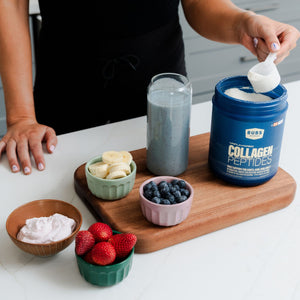
Considering dietary enhancements is great, but for those looking to add a potent boost, we recommend our Collagen Peptides. Just one scoop can effectively enhance your collagen intake and support your skin goals.
2. Incorporating Collagen Supplements
Collagen supplements, particularly collagen peptides, have gained traction in the wellness space for their potential skin benefits. Here's how they can aid your skin:
-
Improved Elasticity: Research suggests collagen supplements can improve skin elasticity, minimizing the appearance of fine lines and wrinkles.
-
Enhanced Hydration: Collagen supplements have been linked to increased skin hydration, leading to a plumper appearance.
At BUBS Naturals, we use hydrolyzed collagen that is easily absorbed and can seamlessly blend into your daily routine.
3. Staying Hydrated
Adequate water intake is crucial for skin health, as dehydration can make wrinkles more prominent. Aim to consume at least eight glasses of water daily and include hydrating foods like cucumbers and watermelon.
4. Skin Protection
Daily skincare routines should prioritize sun protection:
-
Wear Sunscreen: Use SPF 30 or higher each day.
-
Limit Direct Sunlight Exposure: Seek shade during peak hours or wear protective clothing.
5. Maintain a Healthy Lifestyle
Healthy lifestyle habits can positively affect your collagen levels:
-
Regular Exercise: This can enhance circulation and improve collagen synthesis.
-
Adequate Sleep: Aim for 7-9 hours of restorative sleep to allow for skin repair.
-
Stress Management: Employ practices like yoga or meditation to keep stress levels in check, which can otherwise inhibit collagen production.
The Role of Topical Treatments
While oral supplements are beneficial, topical treatments such as retinoids and vitamin C can also effectively promote collagen production. These products are often formulated to support the skin's regenerative processes and can be a supplementary strategy to ensure you're doing all you can to boost your skin’s collagen levels.
Key Topical Treatments
-
Retinoids: Stimulate collagen production and improve skin texture.
-
Vitamin C Serums: Help protect against oxidative stress while promoting collagen synthesis.
Conclusion
In the journey to achieve and maintain youthful skin, understanding how to boost collagen levels is crucial. From nutritional support to the incorporation of targeted supplements like our Collagen Peptides and topical treatments, we find that a multifaceted approach is best. Embrace the adventure of enhancing your skin health and let’s keep the spirit of Glen “BUB” Doherty alive by supporting our bodies with the best nature has to offer.
FAQ
What are collagen peptides?
Collagen peptides are small fragments of collagen that are easier for the body to absorb. They can be found in supplements, such as BUBS Collagen Peptides, and can provide a significant boost to your collagen levels.
Can I get collagen from food alone?
While you can obtain some collagen from food sources, such as meat and fish, it’s often recommended to supplement with collagen peptides for more effective absorption and delivery to the skin.
How long does it take to see results from collagen supplements?
You may start to notice improvements in skin elasticity and hydration within 4-12 weeks of consistent collagen supplementation.
Do topical collagen creams really work?
Topical collagen products may offer temporary hydration benefits, but the larger collagen molecules cannot penetrate the skin effectively. Instead, look for products containing active ingredients that promote collagen production, such as retinol and vitamin C.
What's BUBS Naturals' commitment to wellness?
We are committed to using clean, quality ingredients in our products and donate 10% of profits to veteran-focused charities, honoring Glen “BUB” Doherty's legacy. Our mission is not only to enhance wellness but also to give back and make a difference.
By integrating effective strategies for enhancing collagen production, we empower you to achieve healthier, more youthful skin. Let’s take this journey together—explore the BUBS Naturals collection today and feel the difference.