Table of Contents
- Introduction
- What is Collagen?
- Natural Ways to Boost Your Collagen Production
- Cosmetic Treatments to Enhance Collagen
- Conclusion
- FAQ
In our quest for timeless beauty and youthful skin, many of us have turned toward innovative strategies to enhance our natural appearance. One such method that continues to gain traction is the incorporation of collagen into our skincare routines. As we age, our bodies produce significantly less collagen—a crucial protein that is responsible for maintaining skin elasticity, hydration, and overall structure—leading to common concerns like wrinkles, fine lines, and sagging skin. But with such noise surrounding collagen, have you ever wondered how to add collagen to your skin effectively?
Here at BUBS Naturals, we understand the importance of this vital protein in our pursuit of adventure, wellness, and purpose. Inspired by the legacy of Glen “BUB” Doherty, our mission is to provide you with clean, functional, science-backed supplements along with actionable insights to enhance your wellness journey. In this blog post, we will unpack the science of collagen, explore ways to increase your body's collagen levels, discuss various dietary choices, and present options for effective supplementation.
By the end of our deep dive into all things collagen, you will gain a comprehensive understanding of how to holistically approach skin health, empower your body's natural functions, and follow a path toward rejuvenation.
Introduction
Collagen is the most abundant protein in our body, accounting for about 30% of its total protein content. It forms the essential building blocks for our skin, muscles, bones, tendons, ligaments, and even vital organs. While our body is incredibly capable of producing collagen, it begins to diminish in volume and quality as we age. This natural decline is particularly pronounced in women post-menopause, who may experience up to a 30% reduction in collagen production within the first five years after the transition.
The significance of collagen in the realm of skincare cannot be overstated. Its presence ensures our skin maintains firmness, elasticity, and resilience. Conversely, the absence or degradation of collagen leads to the aging signs we fear most—like wrinkles, sagginess, and an overall lackluster appearance. The good news is that we have the power to bolster our collagen levels through various methods. This article will cover effective strategies, including dietary modifications that promote natural collagen synthesis, specific supplements potent for skin health—like our Collagen Peptides, and lifestyle changes that mitigate collagen loss.
To make this journey toward radiant skin as actionable as possible, we will examine various approaches to incorporating collagen into your skincare routine, encourage you to consider the nutritional aspects of collagen-rich foods, and highlight the importance of using effective supplements.
What is Collagen?
Collagen is a structural protein crucial for giving our skin its strength and elasticity. Comprised of amino acids—primarily proline, lysine, and glycine—collagen molecules form fibrils in a triple-helix structure, providing the framework for connective tissues. This protein type varies in composition and structure throughout our body, but the majority is categorized into five primary types, each serving distinct functions:
-
Type I: Makes up about 90% of our body's collagen, providing a dense framework for skin, bone, tendons, and ligaments.
-
Type II: Found in elastic cartilage, this type supports joints.
-
Type III: Present in muscles, blood vessels, and organs, contributing to structural flexibility.
-
Type IV: Located in the layers of the skin, playing a role in filtration and support.
-
Type V: Found in the cornea of the eye, certain skin layers, and hair.
As we grow older—typically starting in our 20s—collagen production slows down, leading to various visible signs of aging. By adopting proactive strategies to introduce and support collagen as part of your skincare routine, we can aim to slow down this decline.
Natural Ways to Boost Your Collagen Production
Let’s explore how we can naturally enhance collagen production through dietary choices and lifestyle changes.
1. Nutrient-Rich Diet
Certain nutrients play a vital role in supporting collagen synthesis:
-
Vitamin C: Essential for collagen formation, vitamin C is found abundantly in citrus fruits, strawberries, bell peppers, and broccoli. Including these foods in your diet helps provide the necessary co-factors for collagen production.
-
Proline & Glycine: Proline is found in foods like egg whites, dairy, cabbage, and wheat, while glycine is prevalent in meats, fish, legumes, and nuts. Integrating these amino acids into our diet supports the collagen-building process.
-
Copper: Present in shellfish, nuts, seeds, and whole grains, copper contributes to the enzymatic process required for collagen formation.
-
Antioxidants: Including antioxidant-rich foods like spinach, blueberries, and dark chocolate can prevent free radical damage, which can degrade collagen levels over time.
2. Supplements for Collagen
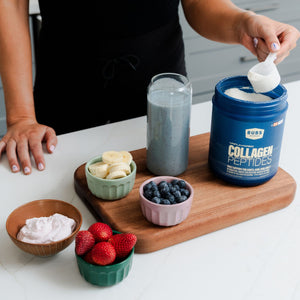
While dietary changes are fundamental, collagen supplements can complement our efforts to increase collagen levels. At BUBS Naturals, our Collagen Peptides are designed to mix effortlessly into any lifestyle. Derived from high-quality, grass-fed sources, these peptides are hydrolyzed into smaller, more bioavailable forms, making absorption easier for our bodies.
Regularly incorporating collagen supplements may lead to significant improvements in skin elasticity, hydration, and overall appearance. As part of our commitment to delivering premium products, our collagen supplements are NSF Certified for Sport, ensuring safety and quality.
3. Hydration
Staying hydrated is crucial for overall skin health. Water not only nourishes the skin but also supports the functioning of nutrients involved in collagen production. Aim to drink plenty of water throughout the day to help maintain moisture levels in your skin.
4. Avoid Collagen Depleting Factors
While introducing methods to boost collagen is essential, it’s equally important to avoid habits that damage existing collagen. Here are some factors to watch out for:
-
Sun Exposure: Prolonged exposure to UV rays can break down collagen and elastin, leading to accelerated skin aging. Daily use of broad-spectrum sunscreen is a must.
-
Smoking: The chemicals in cigarettes damage collagen fibers and impair circulation, leading to a visible impact on skin quality. Quitting smoking or avoiding it altogether can protect existing collagen reserves.
-
High Sugar Intake: Excessive sugar accelerates glycation, damaging collagen and turning it brittle. Reducing your intake of refined sugars and processed carbohydrates may enhance your skin's elasticity.
5. Incorporate Collagen-Rich Foods
In addition to supplements, certain foods promote natural collagen synthesis. Bone broth, for example, is often recommended as a source of collagen. However, it’s essential to recognize that the amino acid profile varies significantly depending on preparation methods.
-
Animal Sources: Chicken, beef, and fish are rich in collagen, particularly when you include the connective tissues. Including a variety of meats in your diet can support collagen production.
-
Plant-Based Options: Certain plant-based foods can also support collagen formation. Spinach, kale, and arugula are high in chlorophyll, which can increase the production of pro-collagen in the skin.
Combine these recommendations in an effortless way that aligns with your lifestyle to naturally increase collagen in your system.
Cosmetic Treatments to Enhance Collagen
In conjunction with supplements and dietary changes, several cosmetic treatments are available to boost collagen levels and improve skin appearance.
1. Microneedling
Microneedling, or collagen induction therapy, is a minimally invasive procedure that creates tiny wounds in the skin to stimulate collagen production. After treatment, our skin undergoes a natural healing process, resulting in increased collagen generation for improved texture and appearance.
2. Chemical Peels
Chemical peels use exfoliating agents to help remove dead skin cells and promote new cell turnover. This can enhance the production of collagen and lead to smoother, more radiant skin.
3. Injectable Treatments
Dermal fillers and collagen injections can provide immediate volume while indirectly promoting collagen production through the healing response triggered within the skin.
4. Laser Therapy
Various laser therapies encourage collagen production by targeting specific layers of the skin. These treatments can effectively enhance skin elasticity, improve texture, and reduce the appearance of wrinkles.
5. LED Light Therapy
Light therapy, especially red light therapy, is known to enhance collagen production by stimulating the skin at a cellular level. This technique is non-invasive and can be done in professional settings or at home with appropriate devices.
Conclusion
As we’ve explored, collagen plays a pivotal role in maintaining youthful and radiant skin. From natural dietary choices to effective supplementation and cosmetic interventions, there are numerous avenues to enhance your body's collagen levels and subsequently improve your skin tone and texture.
At BUBS Naturals, we encourage you to embrace a holistic approach to wellness. With our clean and functional Collagen Peptides, you can support your body and skin naturally as part of your daily routine. We aim to provide the best for your adventure in wellness and remain committed to giving back through our 10% Rule, supporting veterans in honor of Glen “BUB” Doherty's legacy.
By integrating the guidance shared in this article along with our commitment to high-quality supplements, we can help pave the way for your journey toward healthier, more vibrant skin.
FAQ
Can collagen supplements directly improve skin health?
Collagen supplements can provide the amino acids required for natural collagen synthesis, potentially leading to improved skin elasticity, hydration, and reduced wrinkles. However, results can vary, and it is advisable to combine supplementation with a healthy diet for optimal results.
What is the best way to apply collagen to the skin?
While topical collagen creams can provide hydration, they may not penetrate deeply enough to effectively boost internal collagen levels. Using supplements in conjunction with topical treatments rich in retinoids and vitamin C may yield better results.
How long does it take to see results from collagen supplementation?
Most studies suggest that noticeable improvements in skin texture may take 4 to 12 weeks of consistent collagen supplementation. Individual results can vary based on different factors such as diet, lifestyle, and existing skin condition.
Are there any side effects of collagen supplements?
Collagen supplements are generally safe for most individuals; however, some may experience digestive discomfort or allergic reactions. It is recommended to consult a healthcare professional prior to beginning any new supplements.
Is it possible to increase collagen through a vegan or vegetarian diet?
While animal sources are rich in collagen, one can also support collagen production through plant-based foods high in vitamin C, amino acids, and antioxidants. Consider adding foods such as legumes, nuts, seeds, and a variety of fruits and vegetables to your diet.