Table of Contents
- Introduction
- What is Collagen?
- How Does Collagen Powder Work?
- Factors Influencing Collagen Production
- Choosing the Right Collagen Supplement
- Conclusion
- FAQ
Introduction
Did you know that collagen accounts for approximately 30% of the protein in your body? This vital protein acts as the scaffolding that supports our skin, bones, muscles, and connective tissues, playing a critical role in maintaining our health and vitality. Yet, as we age, the natural production of collagen begins to decline, leading to visible signs of aging such as wrinkles, joint discomfort, and weakened skin elasticity. With this decline, many of us are left wondering: how does collagen powder work, and can it truly help restore the youthful benefits of this essential protein?
In this blog post, we will delve into the science behind collagen powder, exploring how it works within our bodies, the types of collagen available, and the potential benefits and limitations of supplementation. We will also examine the role of lifestyle factors and dietary choices in supporting collagen production and overall wellness. By the end of this exploration, we aim to provide you with a comprehensive understanding of collagen powder and its relevance to your health journey.
At BUBS Naturals, we are committed to adventure, wellness, and purpose. Our mission is rooted in providing clean, high-quality supplements that blend seamlessly into your active lifestyle while honoring the legacy of Glen “BUB” Doherty. As we navigate through the intricacies of collagen powder, we’ll highlight our own offerings, such as our premium Collagen Peptides, which are designed to support your wellness goals.
What is Collagen?
Collagen is a group of proteins that form the structural foundation of various tissues in the body. It is the most abundant protein, making up about one-third of the total protein in our bodies. Collagen is primarily found in skin, bones, tendons, cartilage, and muscles, providing strength and support to these tissues.
Types of Collagen
There are at least 28 different types of collagen, but the most prevalent in our bodies are:
-
Type I: This type accounts for 90% of the body’s collagen and is primarily found in skin, bones, tendons, and ligaments.
-
Type II: Found mainly in elastic cartilage, this type supports joint health.
-
Type III: This type is present in muscles, arteries, and organs.
-
Type IV: This variation is found in the layers of the skin.
-
Type V: This type is found in the cornea of the eyes and certain layers of skin and hair.
Importance of Collagen
Collagen plays several critical roles in our bodies, including:
- Providing structure and strength to the skin.
- Supporting joint health and flexibility.
- Helping to maintain the integrity of blood vessels and organs.
- Facilitating wound healing by replacing dead skin cells.
How Does Collagen Powder Work?
Collagen powder primarily consists of hydrolyzed collagen, which means it has been broken down into smaller peptides that are easier for the body to absorb. When consumed, these peptides travel through the bloodstream and can stimulate the production of new collagen by activating fibroblasts, the cells responsible for collagen synthesis.
Absorption and Utilization
Importantly, our bodies cannot absorb collagen in its whole form. Instead, it must first be hydrolyzed into smaller peptides. Once ingested, these peptides are absorbed through the gastrointestinal tract, where they may contribute to the body's collagen pool or be used to produce other proteins essential for various functions, such as keratin for skin and hair.
While many studies suggest that collagen supplementation can improve skin hydration, elasticity, and even reduce joint pain, it’s essential to understand that these effects can vary from person to person. The body's response to collagen supplementation is influenced by factors such as age, diet, and overall health.
The Benefits of Collagen Powder
Research indicates several potential benefits associated with collagen powder supplementation, including:
-
Improved Skin Health: Collagen supplementation may lead to increased hydration, elasticity, and reduced wrinkles, contributing to a more youthful appearance.
-
Joint Support: Studies suggest that collagen can help alleviate joint pain and improve mobility, making it particularly beneficial for individuals with osteoarthritis or those engaged in high-impact activities.
-
Stronger Hair and Nails: Many users report less breakage and faster growth of hair and nails after regular collagen intake.
-
Gut Health: Collagen may support the intestinal lining, potentially aiding in digestive health and alleviating symptoms associated with gut-related conditions.
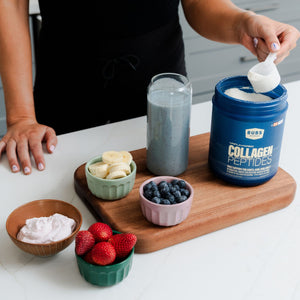
At BUBS Naturals, we believe that supplementation should complement a healthy lifestyle. That’s why our Collagen Peptides are designed to seamlessly mix into your favorite beverages, allowing you to elevate your wellness journey effortlessly.
Factors Influencing Collagen Production
While supplementation can be beneficial, it’s essential to recognize that natural collagen production is influenced by various lifestyle factors:
Age
Collagen production naturally decreases with age. After the age of 20, our bodies begin producing less collagen, and this decline accelerates in women post-menopause. By the time we reach our 60s, the effects of this reduction become more pronounced, often resulting in sagging skin and joint discomfort.
Diet
A well-balanced diet rich in protein, vitamins, and minerals is crucial for supporting collagen synthesis. Key nutrients include:
-
Vitamin C: Vital for collagen synthesis, found in citrus fruits, bell peppers, and leafy greens.
-
Proline and Glycine: Amino acids found in protein-rich foods like meat, fish, eggs, and dairy.
-
Zinc and Copper: Minerals that aid in collagen production, found in shellfish, nuts, and seeds.
Incorporating these nutrients can help your body produce collagen naturally, complementing the effects of supplementation.
Lifestyle Choices
Certain lifestyle choices can negatively impact collagen levels:
-
Smoking: Reduces collagen production and damages existing collagen, leading to wrinkles and slower wound healing.
-
Excessive Sun Exposure: UV rays can degrade collagen, contributing to skin aging.
-
High Sugar Intake: The consumption of added sugars can lead to the formation of advanced glycation end products (AGEs), which damage collagen and contribute to skin aging.
By adopting healthy habits and avoiding these detrimental behaviors, we can support our body’s natural collagen production and overall wellness.
Choosing the Right Collagen Supplement
When considering collagen supplementation, it’s crucial to choose a high-quality product. Here are some key factors to look for:
-
Source: Opt for collagen derived from organic, grass-fed bovine sources or wild-caught marine sources to minimize contaminants.
-
Hydrolyzed Form: Ensure the supplement contains hydrolyzed collagen peptides for better absorption.
-
Third-Party Testing: Look for products that have been tested for purity and potency by independent laboratories, such as NSF for Sport.
-
Avoid Additives: Check the ingredients for unnecessary fillers, artificial sweeteners, or preservatives.
At BUBS Naturals, our commitment to quality means that you can trust our Collagen Peptides to deliver effective results without the BS—just simple, effective ingredients.
Conclusion
As we’ve explored, collagen powder can play a significant role in supporting skin health, joint function, and overall wellness. While it’s not a miracle cure, it can be a valuable addition to a balanced diet and healthy lifestyle. By understanding how collagen works and the factors that influence its production, we can make informed decisions about supplementation.
At BUBS Naturals, we are dedicated to providing clean, functional supplements that support your active lifestyle while honoring the legacy of Glen “BUB” Doherty. Whether you’re looking to enhance your beauty routine or boost joint health, our Collagen Peptides are here to help you feel your best.
FAQ
What is the best time to take collagen powder?
Collagen powder can be taken at any time of day. Many people choose to add it to their morning coffee or smoothie for a convenient boost.
How much collagen powder should I take daily?
Most studies suggest a daily intake of 2.5 to 15 grams of collagen. It's best to follow the manufacturer's guidelines and consult with a healthcare provider if unsure.
Can vegans take collagen supplements?
Traditional collagen supplements are derived from animal sources. However, there are plant-based alternatives that contain collagen-boosting ingredients, although they do not provide collagen directly.
Are there any side effects to taking collagen supplements?
Collagen supplements are generally considered safe; however, some individuals may experience digestive discomfort. Always consult your healthcare provider before starting any new supplement.
How long does it take to see results from collagen supplementation?
Many users report noticeable improvements in skin hydration and elasticity after 8 to 12 weeks of consistent collagen intake. However, results may vary based on individual factors.
By choosing high-quality products and adopting healthy lifestyle habits, we can all support our body's natural collagen production and enjoy the benefits of this essential protein. Explore our range of products at BUBS Naturals to find the right fit for your wellness journey!