Table of Contents
- Introduction
- The Biological Foundation: What Is Collagen?
- The 20s: The Era of Prevention
- The 30s: Addressing the First Signs of Change
- The 40s and Beyond: Restorative Wellness
- Factors That Accelerate Collagen Loss
- Why Quality and Sourcing Matter
- The Science of Hydrolyzed Peptides
- Integrating Collagen into Your Daily Ritual
- Nutrition and Synergy
- The BUBS Promise: Self-Actualization and Service
- Conclusion
- FAQ
Introduction
Did you know that by the time you celebrate your 25th birthday, your body has already hit a biological peak that most of us never even realize is happening? It’s a quiet shift, one that doesn’t come with a warning label or a sudden change in how we feel. However, beneath the surface, the natural production of our body’s most abundant protein—collagen—begins to dip by about 1% every single year. By the time we reach age 60, we may have lost up to 80% of our natural collagen stores. This internal "scaffolding" is what keeps our skin firm, our joints moving smoothly, and our connective tissues resilient. When that scaffolding begins to thin, the signs of aging, from stiff knees after a morning run to the appearance of fine lines, start to manifest.
At BUBS Naturals, we believe that wellness is an adventure, and like any great expedition, it requires the right preparation and the highest quality fuel. Named in honor of Glen “BUB” Doherty—a Navy SEAL, adventurer, and hero—our mission is to provide clean, science-backed nutrition that helps great people do great things. We often get asked about the specifics of supplementation, particularly at what age you should take collagen to see the most significant impact. Is it a preventative measure for the young and active, or a restorative tool for those later in life?
In this guide, we’re going to dive deep into the biological timeline of collagen, exploring how your body’s needs evolve through your 20s, 30s, 40s, and beyond. We will analyze the lifestyle factors that accelerate collagen depletion—like UV exposure and dietary choices—and explain why the quality of your supplement matters more than the quantity. Whether you are an elite athlete looking to support your joints or someone simply wanting to maintain a vibrant, healthy glow, understanding the timing of your wellness routine is essential. By the end of this article, you’ll have a clear roadmap for when and how to integrate Collagen Peptides into your daily ritual to support a life of purpose and vitality.
The Biological Foundation: What Is Collagen?
To understand when to start supplementing, we first have to understand what we are working with. Collagen isn’t just a beauty buzzword; it is a structural powerhouse. It accounts for roughly 30% of the total protein in the human body and acts as the "glue" that holds everything together. From the corneas of your eyes to the lining of your gut, collagen provides the tension and strength required for your organs and tissues to function.
Proteins are built from amino acids, and collagen is unique because it is primarily composed of three specific ones: glycine, proline, and hydroxyproline. These amino acids weave together into a triple helix structure, creating incredibly strong fibrils. In our youth, our bodies are collagen-making machines. We efficiently take the amino acids from our diet—found in meats, fish, and bone broths—and synthesize them into the various types of collagen needed for different body parts.
While there are at least 28 known types of collagen, the vast majority of our body relies on three main types. Type I is the most prevalent, making up 90% of our supply and providing structure to skin, bones, and tendons. Type II is the primary component of cartilage, which cushions our joints, while Type III supports the structure of muscles, organs, and arteries. When we talk about the best age to start a regimen, we are usually looking at how to support these specific types before the natural decline leaves us feeling less than optimal.
At BUBS, we focus on providing a "no-BS" approach to this protein. Our Collagen Peptides are hydrolyzed, meaning they are broken down into smaller, bioavailable chains that your body can actually absorb and put to work. This is a critical distinction, as whole collagen molecules are often too large for the digestive system to process efficiently.
The 20s: The Era of Prevention
Many people in their early 20s feel invincible. Their recovery times are short, their skin is elastic, and joint pain is a distant concept. However, this is precisely when the "preventative" window opens. As we mentioned, the 1% annual decline typically begins in the mid-20s. While you might not see the effects immediately, the cumulative loss starts here.
For the active 20-something—the weekend warrior, the marathon runner, or the CrossFit enthusiast—collagen isn't about "anti-aging" in the traditional sense; it’s about structural integrity. High-impact sports put significant stress on ligaments and tendons. Supplementing with Collagen Peptides during this decade can help provide the raw materials your body needs to keep those connective tissues robust.
Furthermore, this is a decade often characterized by high stress, irregular sleep, and perhaps a bit too much sun during outdoor adventures. These environmental factors generate free radicals that can damage existing collagen fibers. By starting a daily habit early, you are essentially "topping off" your internal reservoir, ensuring that your body has a surplus of amino acids to repair the micro-damage that occurs during daily life.
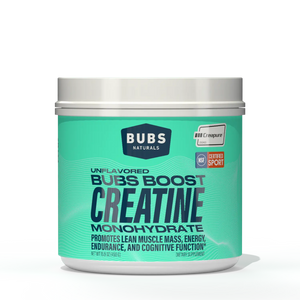
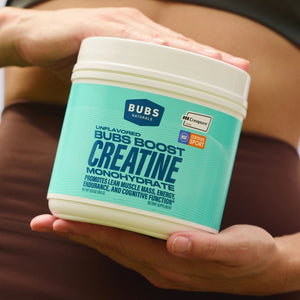
To maximize these preventative benefits, many find success in pairing their protein intake with other performance supports. For example, using Creatine Monohydrate alongside collagen can support both muscle power and the structural health of the tissues supporting those muscles. It’s about building a foundation that will carry you into your 30s and 40s without the common "wear and tear" complaints.
The 30s: Addressing the First Signs of Change
By the time we hit our 30s, the subtle shift in collagen production often becomes visible. This is frequently the decade when people notice their first fine lines, or perhaps they realize that their skin doesn’t "bounce back" as quickly after a long flight or a night of poor sleep. This happens because the dermis—the middle layer of the skin where collagen and elastin reside—begins to thin.
In your 30s, supplementation shifts from pure prevention to active support. The goal here is to maintain skin hydration and elasticity. Collagen helps the skin retain moisture by supporting the health of the dermis, which can result in a more vibrant and "plump" appearance. But it’s not just about aesthetics. Many people in their 30s start to feel the first "creaks" in their joints. Maybe the knees feel a bit stiffer in the morning, or recovery from a heavy lifting session takes an extra day.
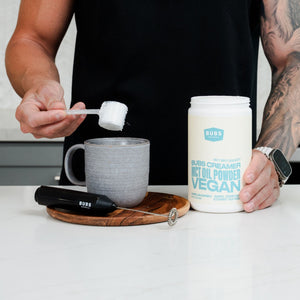
This is the perfect time to integrate collagen into a consistent morning routine. One of the easiest ways to do this is by adding a scoop to your morning beverage. We love mixing our peptides with our MCT Oil Creamer. Not only do you get the structural benefits of the collagen, but the MCTs provide a clean source of mental energy to help you tackle your day.
It’s also important in your 30s to consider the "cofactors" of collagen production. Your body requires certain vitamins and minerals to effectively "knit" those collagen fibers together. Chief among these is Vitamin C. Without it, the body cannot effectively synthesize collagen, regardless of how much protein you ingest. We recommend taking Vitamin C to ensure your body has the antioxidant support needed to turn those amino acids into functional tissue.
The 40s and Beyond: Restorative Wellness
Entering your 40s often marks a more significant biological milestone for collagen. For women, the onset of perimenopause and menopause leads to a sharp decline in estrogen, which is directly linked to collagen synthesis. Research suggests that women can lose up to 30% of their skin’s collagen in the first five years of menopause alone. For men, while the decline is more gradual, the cumulative effect of four decades of life starts to impact bone density and joint mobility significantly.
In this stage of life, the strategy becomes restorative. You are no longer just trying to prevent loss; you are actively trying to replenish a system that is operating at a deficit. This is where high-quality, grass-fed Collagen Peptides become a non-negotiable part of the wellness toolkit.
At this age, the focus often moves toward joint comfort and bone health. Collagen makes up a significant portion of our bone matrix. While we often think of bones as purely calcium, it is the collagen that provides the flexibility that prevents bones from becoming brittle. For those who want to remain active—hiking, skiing, or even just playing with grandkids—maintaining joint integrity is the key to quality of life.
We also have to consider the "wear and tear" on our digestive systems. Collagen contains high concentrations of the amino acid glycine, which is known to support the integrity of the intestinal lining. As we age, maintaining gut health becomes more complex, and a daily dose of peptides can be a gentle way to support the body’s natural barrier functions. To further support digestive wellness, many of our community members pair their daily collagen with Apple Cider Vinegar Gummies to keep their metabolic health on track.
Factors That Accelerate Collagen Loss
While age is the primary driver of collagen decline, it is certainly not the only one. Our lifestyle choices act as a "fast-forward" button on our biological clock. Understanding these factors can help you decide if you need to start supplementing earlier than the standard mid-20s recommendation.
1. Ultraviolet (UV) Exposure:
Sunlight is perhaps the greatest external enemy of collagen. UV rays penetrate deep into the dermis and trigger the breakdown of collagen fibers through a process called oxidative stress. This is why "photo-aging"—wrinkles and leathery skin caused by the sun—looks so different from natural aging. If you spend your life outdoors, whether for work or adventure, your collagen needs are significantly higher.
2. High Sugar Intake:
When you consume excess sugar, it can lead to a process called glycation. This is where sugar molecules attach themselves to proteins like collagen and elastin, creating "advanced glycation end products" (AGEs). These AGEs make collagen fibers stiff, dry, and brittle, stripping away their ability to provide elastic support to the skin and joints.
3. Smoking and Pollution:
Nicotine and environmental toxins constrict blood vessels, reducing the delivery of oxygen and nutrients to the skin and tissues. This lack of nourishment, combined with the chemical damage to the protein fibers themselves, causes a rapid decline in both the quality and quantity of collagen.
4. Chronic Stress:
High levels of cortisol, the body’s primary stress hormone, can actually inhibit the production of new collagen and accelerate the breakdown of existing stores. For those in high-stress professions—much like the world Glen Doherty navigated—managing this internal environment is just as important as external nutrition.
Why Quality and Sourcing Matter
If you’ve decided that you’ve reached the age where you should take collagen, the next question is: which one? The market is flooded with options, but at BUBS Naturals, we believe that the "how" and "where" are just as important as the "what."
Our Collagen Peptides are sourced from grass-fed, pasture-raised bovine hides. This ensures that the raw material is free from the hormones and antibiotics often found in factory-farmed alternatives. Furthermore, we are committed to rigorous third-party testing. Our products are NSF for Sport certified, which means they are held to the highest standards of purity and safety. This is the same level of scrutiny applied to supplements used by professional athletes.
We also prioritize solubility. There is nothing worse than a clumpy, chalky supplement that ruins your morning coffee. Our peptides are hydrolyzed to a specific molecular weight that allows them to dissolve instantly in both hot and cold liquids. Whether you are stirring them into a post-workout shake or mixing them with Hydrate or Die – Lemon after a long hike, you get the benefits without the mess.
Beyond the product itself, choosing BUBS means contributing to a larger mission. Through our 10% Rule, we donate 10% of all profits to veteran-focused charities. We aren’t just selling supplements; we are building a legacy of service and adventure. Every scoop of collagen you take helps support the men and women who have served our country, continuing Glen’s commitment to "Helping Great People Do Great Things."
The Science of Hydrolyzed Peptides
You might be wondering: "Can't I just eat more steak or drink bone broth?" While those are excellent sources of protein, they are not always the most efficient way to boost collagen levels. Whole collagen molecules in food are long-chain proteins that require significant digestive energy to break down.
Hydrolyzed Collagen Peptides have already undergone this process through enzymatic "pre-digestion." This results in shorter chains of amino acids that can pass through the intestinal wall more easily and enter the bloodstream. Once in the blood, these peptides act as a "signal" to your body’s fibroblasts (the cells responsible for making collagen). When these fibroblasts sense an influx of collagen peptides, they are stimulated to ramp up their own production of natural collagen.
This dual action—providing the raw building blocks while also stimulating the body’s internal production—is why supplementation is so effective. It’s a targeted approach that simple dietary protein cannot always replicate. For those in their 40s and 50s, this stimulation of the body’s own manufacturing plant is vital for long-term wellness.
Integrating Collagen into Your Daily Ritual
Consistency is the secret ingredient to any supplement's success. You won’t see a change in your joint comfort or skin elasticity after a single dose. Most clinical studies suggest that it takes between 8 to 12 weeks of daily use to see significant results.
Here is how we recommend building your routine:
The Morning Kickstart:
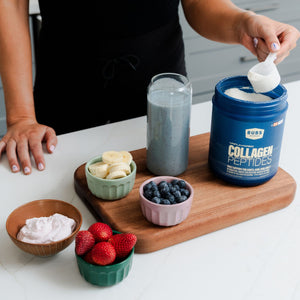
Stir one to two scoops of our Collagen Peptides into your first cup of coffee. The peptides are flavorless and odorless, so they won't change the taste of your favorite roast. To make it even more functional, add a scoop of MCT Oil Creamer for sustained mental clarity.
Post-Workout Recovery:
After a strenuous training session, your muscles and joints are in a state of repair. Adding collagen to your post-workout shake provides the structural amino acids needed to support ligament and tendon health. This is a great time to also include Hydrate or Die – Mixed Berry to replenish the electrolytes lost through sweat.
The Evening Wind-Down:
Many people find that a warm beverage in the evening helps them relax. A scoop of collagen stirred into herbal tea is an excellent way to get your daily dose before bed. Since glycine (abundant in collagen) has been shown to support healthy sleep patterns, it’s a perfect addition to your nighttime ritual.
Nutrition and Synergy
While collagen is a cornerstone of our wellness philosophy, it works best when supported by a comprehensive nutritional strategy. Your body is a complex system, and no single supplement can do all the heavy lifting alone.
Hydration:
Collagen needs water. The health of your skin and joints is heavily dependent on hydration. Without enough water, your tissues become less elastic and more prone to injury. We always advocate for a "hydrate or die" mentality. Using our Hydrate or Die – Bundle ensures you are getting the sodium, potassium, and magnesium necessary to keep your cells functioning optimally.
Antioxidant Support:
As mentioned, oxidative stress from the environment is a primary cause of collagen breakdown. Protecting your existing stores is just as important as building new ones. A diet rich in colorful vegetables and high-quality Vitamin C provides the "shield" your body needs to defend against free radical damage.
Healthy Fats:
The cell membranes that house your collagen fibers need healthy fats to remain flexible and strong. Integrating medium-chain triglycerides through our Creamers Collection provides the fuel your cells need to maintain their structural integrity and support cognitive function.
The BUBS Promise: Self-Actualization and Service
The story of BUBS Naturals is rooted in the idea of living life to the fullest. Glen Doherty didn’t just exist; he thrived. He was a professional skier, a pilot, a paramedic, and a SEAL. He understood that to live that kind of life, you have to take care of the vehicle that carries you through it.
When we talk about what age you should take collagen, we aren’t just talking about vanity or "erasing wrinkles." We are talking about maintaining the ability to do what you love, for as long as possible. Whether you are 25 or 65, your body deserves the highest quality ingredients. Our Collagen Peptides are a tool to help you reach that next peak, finish that next race, or simply feel better in your own skin.
We are a community of doers, dreamers, and adventurers. We believe that by providing the best products, we can empower you to live a life of purpose. And by giving back through our 10% Rule, we ensure that every purchase ripples outward to help others. That is the BUBS difference. One scoop. Feel the difference. Support a legacy.
Conclusion
Determining the right age you should take collagen is less about a single date on the calendar and more about recognizing your body's evolving needs. While the biological decline starts in our mid-20s, the best time to start is whenever you decide that your long-term wellness is a priority. For the young athlete, it is a shield against future wear. For those in their 30s and 40s, it is a vital support system for skin, hair, and metabolic health. For those in their 50s and beyond, it is a restorative necessity to maintain mobility and strength.
We’ve explored the science of the triple helix, the importance of bioavailability through hydrolyzed peptides, and the lifestyle factors that can either support or sabotage your collagen levels. We’ve also shared how the BUBS mission connects high-quality nutrition with a commitment to our nation’s veterans. Your health is an investment, not an expense, and choosing the right fuel is the first step toward a life of adventure.
Are you ready to take control of your wellness journey? Whether you’re just starting to notice changes or you’re looking to support a lifetime of activity, our Collagen Peptides Collection has everything you need to build a stronger foundation. Explore our range of science-backed, clean-label products today and see how easy it is to make collagen a part of your daily ritual. Let’s get after it.
FAQ
At what age should you take collagen if you are a highly active athlete?
If you are an athlete or someone with a high-impact fitness routine, we recommend starting as early as your early 20s. The repetitive stress on your joints and tendons can accelerate the natural decline of connective tissue health. Using Collagen Peptides as a preventative measure can help provide the amino acids needed for tissue repair and maintenance, potentially supporting longer-term joint comfort.
Can I get enough collagen from food alone instead of taking a supplement?
While you can certainly get collagen from traditional foods like bone broth or animal skin, it is often difficult to consume enough daily to match the levels found in a concentrated supplement. Furthermore, whole food collagen is not "hydrolyzed," meaning it is harder for your body to break down and absorb. Our Collagen Peptides are pre-digested into smaller peptides, making them much more bioavailable and easier for your body to utilize efficiently.
Is it ever "too late" to start taking collagen supplements?
It is never too late to start supporting your body’s wellness. While starting in your 20s or 30s provides a preventative advantage, those in their 50s, 60s, and beyond can still see significant benefits. In later stages of life, collagen supplementation focuses on restoration—supporting bone density, joint mobility, and skin hydration that may have already begun to decline. Consistency is key, and many people see a positive difference even when starting later in life.
Do I need to take anything else with my collagen to make it work better?
Yes, collagen works best in synergy with other nutrients. The most important "partner" for collagen is Vitamin C, which is a required cofactor for collagen synthesis in the body. We recommend pairing your daily peptides with our Vitamin C to ensure your body has the necessary tools to build and repair tissue. Additionally, staying properly hydrated with electrolytes like Hydrate or Die – Lemon helps maintain the moisture levels within your connective tissues.