Table of Contents
- Introduction
- Understanding the Foundation: What is Collagen?
- The Foreman of the Job Site: Why Zinc Matters
- The Synergy: Can I Take Zinc and Collagen Together?
- The "No-BS" Philosophy: Why We Keep Ingredients Separate
- Beyond Zinc: The Supporting Cast for Collagen
- A Day in the Life: Integrating Your Supplement Stack
- The BUBS Difference: Inspired by a Legacy
- The Science of Collagen Absorption and Quality
- Addressing Common Concerns: Safety and Dosage
- Conclusion
- FAQ
Introduction
Did you know that by the time you reach your 40th birthday, your body’s natural ability to produce collagen has likely slowed by as much as 25%? This biological slowdown is a quiet shift, often manifesting as a little extra stiffness in the morning or skin that doesn't quite "snap back" the way it used to. In the pursuit of maintaining a body that is ready for adventure—whether that’s a weekend summit or just staying active with the family—many of us turn to supplementation to bridge the gap. We start looking at the building blocks of our bodies: proteins and minerals. However, a common point of confusion arises when we try to stack these nutrients. Specifically, many of our community members ask us: "Can I take zinc and collagen together?"
The answer is a resounding yes, and in fact, the relationship between these two is far more than just a peaceful coexistence. They are partners in a complex biological dance. At BUBS Naturals, we are obsessed with the science of how clean, simple ingredients interact to support your wellness journey. Inspired by the legacy of Glen “BUB” Doherty—a Navy SEAL, adventurer, and humanitarian—we believe in providing products that are as hardworking as you are. This means moving beyond the "what" of supplementation and into the "how" and "why."
In this article, we are going to dive deep into the world of nutrient synergy. We’ll explore why collagen is the structural foundation of your body and how zinc acts as the essential foreman on the construction site of your connective tissues. We will also look at other key players like Vitamin C and Magnesium, and why we at BUBS Naturals choose a "no-BS" approach to our formulations—prioritizing purity and stability over flashy, crowded ingredient lists. By the end of this journey, you’ll understand how to optimize your supplement routine to support your joints, skin, and overall vitality, ensuring you’re always ready for whatever the next adventure holds.
Understanding the Foundation: What is Collagen?
To understand if you can take zinc and collagen together, we first need to look at what collagen actually does. Think of collagen as the "glue" that holds your entire physical structure together. It is the most abundant protein in the human body, making up roughly one-third of your total protein composition. It isn't just a beauty supplement for skin and hair; it’s a foundational component of your bones, tendons, ligaments, and even your blood vessels.
There are at least 28 different types of collagen, but the vast majority of the collagen in your body consists of Types I, II, and III. Type I is the heavy hitter, found in your skin, bones, and tendons, providing immense tensile strength. Type III often works alongside Type I, supporting the structure of muscles and organs. Our Collagen Peptides are sourced from grass-fed, pasture-raised bovine hides, providing a rich supply of Types I and III to support the very tissues that keep you moving.
As we age, or as we subject our bodies to the rigors of high-intensity training and outdoor adventures, our collagen "bank account" begins to dwindle. Environmental factors like UV exposure and a diet high in refined sugars can further accelerate this decline. When collagen levels drop, the structural integrity of our connective tissues can weaken. This is why many people find that supplementing with Collagen Peptides helps support their body's natural maintenance of joint comfort and skin elasticity.
But here is the catch: your body doesn't just "absorb" a collagen molecule and send it straight to your knee or your forehead. Instead, it breaks that protein down into its constituent amino acids—primarily glycine, proline, and hydroxyproline. To rebuild those amino acids back into functional collagen fibers within your body, you need "co-factors." These are the vitamins and minerals that act as the catalysts for the construction process. This is exactly where the question of taking zinc and collagen together becomes so important.
The Foreman of the Job Site: Why Zinc Matters
If collagen is the lumber and steel of your body’s construction project, zinc is the foreman who ensures everything is put together correctly. Zinc is an essential trace mineral, meaning our bodies cannot produce it on our own; we must get it from our diet or through supplementation. It is involved in over 300 enzymatic reactions in the body, playing a massive role in everything from immune function to DNA synthesis.
When it comes to your connective tissues, zinc is vital for protein synthesis and cell division. Specifically, it is a key component of an enzyme called lysyl oxidase. This enzyme is responsible for the "cross-linking" of collagen fibers. Imagine a rope—if the individual strands aren't tightly bound and intertwined, the rope will fray and snap under pressure. Zinc helps ensure that the collagen your body produces is structurally sound, resilient, and capable of withstanding the physical demands of an active lifestyle.
Furthermore, zinc supports the health of the cells that actually produce collagen, known as fibroblasts. Without adequate zinc, these cells can’t work at their full potential, which may lead to a decrease in the quality and quantity of the collagen being produced. This is why, when people ask "Can I take zinc and collagen together?", we emphasize that zinc doesn't just "go well" with collagen—it is a necessary participant in the body's natural collagen-building process.
For those of us who push our limits—whether in the gym, on the trail, or in the surf—zinc also plays a supportive role in how the body manages recovery. It’s a key part of the body’s natural response to the daily wear and tear we put our muscles and joints through. When combined with a high-quality protein source like our Collagen Peptides, you’re providing your body with both the raw materials and the tools it needs to maintain itself.
The Synergy: Can I Take Zinc and Collagen Together?
Now let’s address the core question directly: Can I take zinc and collagen together? Not only is it safe to take them together, but it is often recommended because of the way they complement each other’s functions. There is no evidence to suggest that taking zinc interferes with the absorption of collagen, nor does collagen prevent your body from utilizing zinc.
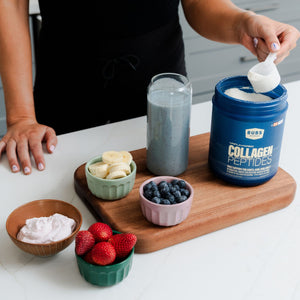
In fact, taking them in the same window can be highly efficient. Because collagen is essentially a food product—a pure protein—it can actually help with the digestion of certain minerals. Many people find that taking minerals like zinc on an empty stomach can lead to a bit of nausea. Taking your zinc supplement alongside a scoop of Collagen Peptides mixed into a smoothie or your morning coffee can provide a "buffer," making the mineral easier on your digestive system.
From a biological perspective, the synergy is clear. The collagen provides the specific amino acids (glycine, proline, and hydroxyproline) that are rare in other protein sources like whey or soy. Once those amino acids are in your system, your body looks for zinc to activate the enzymes that will reassemble them into the structural tissues of your skin, hair, nails, and joints. It’s a perfect partnership.
When we look at the lifestyles of the BUBS community—people who are constantly on the move—efficiency is everything. We don't want to spend our morning's juggling dozens of different "dos and don'ts" regarding supplement timing. Knowing that you can safely and effectively combine your Collagen Peptides with your daily zinc or multivitamin simplifies your routine, helping you stay consistent, which is the real secret to seeing long-term results.
The "No-BS" Philosophy: Why We Keep Ingredients Separate
You might wonder: "If zinc and collagen work so well together, why don't you just put zinc inside the collagen tub?" This is a great question and one that gets to the heart of the BUBS Naturals philosophy. We are committed to a "no-BS" approach, which means we prioritize the quality, stability, and bioavailability of our ingredients over the convenience of a "kitchen sink" formula.
There is a scientific reason why we don't premix our Collagen Peptides with high doses of minerals and vitamins like zinc or Vitamin C. As our friend Dr. Cate, M.D., often points out, when you combine highly reactive minerals and synthetic vitamins into a single powder, you run the risk of uncontrolled chemical reactions. Specifically, certain vitamins that act as antioxidants in the body can actually act as "pro-oxidants" when sitting in a tub for months. These pro-oxidants can oxidize the delicate amino acids in the collagen, potentially reducing the bioavailability and effectiveness of the product before you even take your first scoop.
By keeping our Collagen Peptides as a single-ingredient, pure protein, we ensure that you are getting exactly what is on the label, with no degradation. This allows you to customize your stack. You can take our Vitamin C separately to provide that antioxidant support and collagen-forming catalyst, or you can take your preferred zinc supplement alongside your collagen, knowing that both are at their peak potency.
This commitment to purity is also why we pursue NSF for Sport certification. For the professional athletes and high-performers in our community, knowing that our products are free from contaminants and accurately labeled isn't just a "nice-to-have"—it's a requirement. We believe in providing the cleanest fuel possible, so you can focus on the adventure ahead.
Beyond Zinc: The Supporting Cast for Collagen
While the synergy between zinc and collagen is powerful, they aren't the only players on the field. To truly support your body's natural ability to maintain its structural health, several other nutrients should be part of your conversation.
Vitamin C: The Essential Catalyst
You cannot talk about collagen without talking about Vitamin C. This vitamin is absolutely essential for the "hydroxylation" of the amino acids proline and lysine. Without enough Vitamin C, the collagen fibers your body tries to build won't be able to form their characteristic triple-helix shape. This shape is what gives collagen its strength. We recommend pairing your Collagen Peptides with our Vitamin C capsules. Our Vitamin C also includes citrus bioflavonoids to support antioxidant activity, protecting your existing collagen from the oxidative stress caused by exercise and environmental factors.
Magnesium: The Multi-Tasker
Magnesium is involved in over 600 enzymatic reactions, and many of those are related to protein synthesis. It helps support muscle function and relaxation, which is a perfect complement to the joint and tendon support offered by collagen. While you can certainly take zinc and collagen together, adding magnesium to that routine can further support your body's recovery after a grueling workout or a long day of travel.
Copper and Manganese
These trace minerals are often overlooked but are vital for connective tissue health. Copper works closely with zinc to support the cross-linking of collagen and elastin, which gives your skin and joints their "snap." Manganese is a cofactor for enzymes involved in the formation of bone and cartilage. Most people get enough of these from a balanced diet, but it’s worth noting how they all work in a grand symphony to keep you moving well.
Hydration: The Foundation of Everything
None of these nutrients can do their job effectively if your body is dehydrated. Connective tissues, especially cartilage, are highly dependent on water to maintain their cushioning properties. If you're out there pushing your limits, make sure you're supporting your cellular function with our Hydration Collection. Products like Hydrate or Die – Lemon provide the essential electrolytes your body needs to stay balanced, ensuring that your cells are primed to utilize the collagen and minerals you're providing them.
A Day in the Life: Integrating Your Supplement Stack
We know that life moves fast. Whether you're training for a triathlon, managing a busy household, or heading out on a surf trip, your supplement routine needs to be seamless. Here is how we like to integrate these powerful tools into a high-performance day.
Morning Ritual:
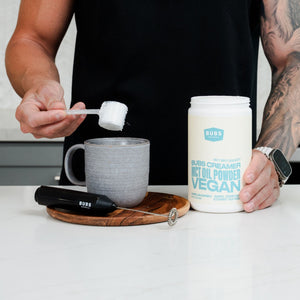
Start your day with a focused mind and sustained energy. We love mixing a scoop of MCT Oil Creamer into our morning coffee. The healthy fats from coconut oil provide a steady source of mental clarity without the jitters. This is also the perfect time to stir in a scoop of Collagen Peptides. Because our collagen is unflavored and dissolves instantly, it won't change the taste of your favorite brew. This is also a great window to take your zinc supplement and our Vitamin C to set the foundation for the day.
Mid-Day Maintenance:
Keep your digestion and general wellness on track with a simple habit. Many of our team members keep a bottle of Apple Cider Vinegar Gummies on their desks. It’s a convenient way to support your gut health—which is where all those vitamins and minerals are absorbed—without the harsh taste of liquid ACV.
Training and Recovery:
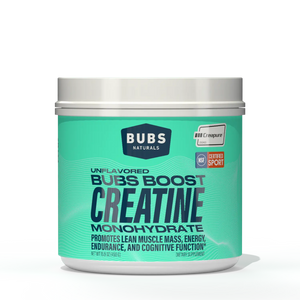
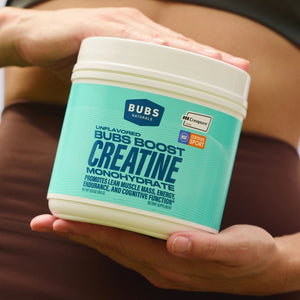
If you're hitting the gym or the trail, support your power and recovery. Mix a serving of Creatine Monohydrate into your pre- or post-workout drink to support strength and training performance. During your activity, stay topped up with Hydrate or Die – Mixed Berry to keep your electrolytes in balance.
Evening Wind-Down:
As your body enters repair mode overnight, ensure it has the nutrients it needs. Some people prefer a second scoop of Collagen Peptides in a warm evening tea. Since collagen contains glycine, which has been studied for its ability to support relaxation and sleep quality, it’s a perfect way to end the day.
The BUBS Difference: Inspired by a Legacy
At BUBS Naturals, we don't just sell supplements; we are stewards of a legacy. Our brand was founded to honor Glen “BUB” Doherty, a hero who lived his life with a "full send" attitude, always looking for the next mountain to climb or person to help. Glen believed in being physically and mentally prepared for any challenge, and that starts with how you fuel your body.
Our commitment to quality isn't just about business—it’s about integrity. That’s why we stick to our 10% Rule. We donate 10% of all our profits to veteran-focused charities, including the Glen Doherty Memorial Foundation. When you choose to support your wellness with our Collagen Peptides, you aren't just investing in your own joint health or skin elasticity; you’re helping us give back to those who have served.
We believe that the best products are the ones that are simple, effective, and backed by real science. We don't use fillers, artificial sweeteners, or "flavor of the month" additives. We provide the pure, high-quality building blocks that allow you to live a life of adventure and purpose. Whether you're wondering if you can take zinc and collagen together or looking for the best way to stay hydrated in the heat, we’re here to provide the "no-BS" answers you need.
The Science of Collagen Absorption and Quality
When you’re looking to optimize your health, the quality of your supplements matters just as much as the combination. We've established that the answer to "Can I take zinc and collagen together?" is a clear yes, but let's look at what makes the collagen itself effective.
Not all collagen is created equal. Many products on the market use low-quality sources or processing methods that can damage the delicate peptides. Our Collagen Peptides are "hydrolyzed." This means the collagen protein has been broken down into smaller chains of amino acids called peptides through an enzymatic process. These smaller peptides are much easier for your body to absorb and utilize compared to the large, complex collagen molecules found in food sources like bone broth or gristle.
Furthermore, we source our collagen exclusively from grass-fed and pasture-raised bovine hides. This ensures a clean profile, free from the hormones and antibiotics often found in factory-farmed animals. By providing a high-quality, bioavailable source of collagen, and then supporting it with key co-factors like zinc and Vitamin C, you are giving your body the best possible chance to maintain its vitality.
Consistency is another critical factor. The benefits of collagen and minerals aren't always felt overnight. It takes time for your body to utilize these building blocks to support your tissues. Most research suggests that consistent daily use for at least 4 to 12 weeks is necessary to see noticeable changes in joint comfort or skin appearance. This is why we make our Collagen Peptides so easy to mix—if it's easy to take, you're more likely to stay consistent.
Addressing Common Concerns: Safety and Dosage
When starting any new supplement routine, it’s natural to have questions about safety and dosage. When it comes to taking zinc and collagen together, both are generally considered very safe for most people.
For collagen, there is no established "Upper Limit," as it is a protein source. Most people find that 10 to 20 grams per day (one to two scoops of our Collagen Peptides) is the "sweet spot" for supporting their goals. Because it's a pure protein, it's very well-tolerated by the digestive system, although as with any protein, some people may experience mild bloating if they aren't used to a high-protein diet.
Zinc, however, does have a recommended daily allowance (RDA) and an upper limit. The RDA for most adults is around 8-11 mg per day, though many athletes and those looking for immune support may take slightly higher doses. It is generally recommended not to exceed 40 mg of zinc per day from all sources (including food and supplements) unless directed by a healthcare professional, as excessive zinc can interfere with the absorption of other minerals like copper.
The beauty of the BUBS approach is that by providing a pure Collagen Peptides powder, you can easily control your dosage of both the protein and your other supplements. You aren't stuck with whatever ratio a manufacturer decided to pre-mix in a tub. You have the power to listen to your body and adjust your routine accordingly.
As always, we recommend consulting with a healthcare professional before beginning any new supplement regimen, especially if you have underlying health conditions or are taking medications. They can help you determine the specific dosages that are right for your unique biology and lifestyle.
Conclusion
At the end of the day, wellness shouldn't be complicated. It should be about finding the most effective, science-backed tools to help you live your life to the fullest. We’ve explored the deep biological connection between protein and minerals, and we’ve answered the question: Can I take zinc and collagen together? The answer is clear: yes, they are a powerful duo that supports the very foundation of your physical body.
By providing your body with high-quality Collagen Peptides, you are giving it the raw materials it needs to maintain your joints, skin, and connective tissues. By supporting that with zinc and Vitamin C, you are ensuring that your body has the "tools" and catalysts necessary to put those materials to work. This synergistic approach is the key to longevity and resilience.
We invite you to experience the BUBS Naturals difference. Our mission is to provide you with the cleanest, most effective supplements on the market, all while honoring the legacy of a true American hero. Whether you’re looking to support your training with Creatine Monohydrate or looking for sustained energy with our MCT Oil Creamer, we are here to support you every step of the way.
Take the first step toward a more resilient, adventure-ready you. Explore our Collagen Peptides Collection today and feel the difference that clean, simple ingredients can make. Together, let’s live a life of wellness, adventure, and purpose.
FAQ
1. Can I take zinc and collagen together in the morning on an empty stomach?
Yes, you can take them together in the morning. However, many people find that taking zinc on a completely empty stomach can cause mild nausea. We recommend mixing your Collagen Peptides into your coffee or a small smoothie and taking your zinc at the same time. The protein in the collagen can provide a gentle "buffer" for your stomach, making the zinc easier to digest.
2. Does collagen contain zinc naturally?
While some food sources of collagen, like certain meats or shellfish, also contain zinc, pure collagen peptide supplements typically do not contain significant amounts of zinc unless it has been added by the manufacturer. At BUBS Naturals, our Collagen Peptides are a single-ingredient product focused solely on providing high-quality protein. This allows you to manage your zinc intake separately through your diet or a dedicated supplement.
3. How much zinc should I take with my daily collagen?
For most healthy adults, the Recommended Daily Allowance (RDA) for zinc is between 8 and 11 mg. If you are taking a multivitamin, it likely already contains this amount. If you are taking a separate zinc supplement, it is generally best to stay below the upper limit of 40 mg per day from all sources. Pairing this with 10-20 grams of Collagen Peptides is a great way to support your body's natural collagen-building processes.
4. Will taking zinc and collagen together help my skin?
Both zinc and collagen play critical roles in skin health. Collagen provides the structural matrix that keeps skin looking firm and hydrated, while zinc is essential for the cells that produce collagen and for supporting the body's natural healing processes. By taking them together, you are supporting your skin's health from two different, yet complementary, angles. To further support these benefits, we also recommend ensuring adequate intake of Vitamin C, which is another essential co-factor for skin vitality.