Table of Contents
- Introduction
- What Is Collagen?
- What Is Gelatin?
- Nutritional Profiles: Collagen vs. Gelatin
- Health Benefits of Gelatin and Collagen
- How to Incorporate Collagen and Gelatin into Your Diet
- Conclusion
- FAQ
Have you ever wondered about the ingredients in your favorite gummy candies, or perhaps the secret behind a perfectly set dessert? If so, you might already be familiar with gelatin, a common ingredient in a variety of foods and supplements. But does gelatin powder actually contain collagen, and what’s the difference between the two?
Understanding the relationship between gelatin and collagen is crucial for anyone interested in nutrition and wellness. While they share a common origin, their properties, uses, and benefits can vary significantly. In this blog post, we will delve into the details of gelatin and collagen, exploring their similarities, differences, and how they can fit into our wellness routines.
By the end, you’ll have a better understanding of what gelatin powder is, whether it contains collagen, and how to incorporate it into your diet for optimal health benefits.
Introduction
Every time we indulge in a jelly dessert or enjoy a comforting bowl of bone broth, we are partaking in a culinary tradition that dates back centuries. Gelatin has long been celebrated for its unique gelling properties and versatility in the kitchen. But what lies beneath its silky texture and culinary charm? At its core, gelatin is derived from collagen, the most abundant protein found in our bodies, essential for maintaining the structure of our skin, joints, and connective tissues.
So, does gelatin powder have collagen? To answer this question, we must first understand what each of these substances is and how they interact within our bodies. This exploration will not only clarify the relationship between gelatin and collagen but also highlight the unique benefits each offers.
In this post, we will cover:
- The composition and nutritional profiles of gelatin and collagen
- The health benefits associated with each
- How to incorporate them into your diet
- The differences in their culinary applications
Together, we will navigate the intricate world of these proteins, unraveling the truth behind their similarities and differences.
What Is Collagen?
Collagen is a structural protein that constitutes about 30% of the protein content in the human body. It plays a critical role in providing strength, elasticity, and support to various tissues, including skin, bones, cartilage, and tendons. Collagen is composed of amino acids, with glycine, proline, and hydroxyproline being the most abundant.
While our bodies can produce collagen naturally, factors like aging, poor diet, and lifestyle choices can hinder this production. This has led to a surge in popularity for collagen supplements, which come in various forms, including collagen peptides and hydrolyzed collagen. These supplements are designed to support skin elasticity, joint health, and overall wellness.
At BUBS Naturals, we understand the importance of high-quality collagen for maintaining an active lifestyle. Our Collagen Peptides are sourced from grass-fed, pasture-raised cattle and are rigorously tested to ensure they meet the highest standards of purity and efficacy.
What Is Gelatin?
Gelatin, on the other hand, is a product derived from the cooking of collagen. It is obtained by boiling animal bones, skin, or connective tissues, which breaks down collagen into a more digestible form. When heated, gelatin dissolves in warm liquids and can form a gel-like consistency as it cools.
Gelatin is commonly used in culinary applications to create desserts, jellies, and thickened sauces. It is also a popular ingredient in supplements, especially for those looking to boost their protein intake or improve gut health.
So, does gelatin powder have collagen? Yes, gelatin is essentially a cooked form of collagen. While it contains the same amino acids as collagen, it may not be as concentrated or bioavailable as collagen peptides.
Nutritional Profiles: Collagen vs. Gelatin
Similarities
Both collagen and gelatin share a similar amino acid profile, including key amino acids like glycine and proline. Both are primarily composed of protein, making them valuable sources of dietary protein. Here’s a breakdown of their nutritional compositions:
-
Collagen Peptides (per serving):
- Calories: 35
- Protein: 9 grams
- Fat: 0 grams
- Carbohydrates: 0 grams
-
Gelatin Powder (per serving):
- Calories: 30
- Protein: 7 grams
- Fat: 0 grams
- Carbohydrates: 0 grams
As you can see, both contain a high percentage of protein, making them excellent options for those looking to increase their protein intake.
Differences
While both gelatin and collagen provide similar benefits, their absorption rates and bioavailability differ. Collagen peptides are hydrolyzed, meaning they have been broken down into smaller peptides for easier absorption. This allows the body to utilize collagen more efficiently.
In contrast, gelatin may take longer to digest and absorb due to its larger molecular structure. While some may find gelatin beneficial for gut health, the quicker absorption of collagen peptides may make them a better choice for supporting skin and joint health.
Health Benefits of Gelatin and Collagen
Both gelatin and collagen offer a variety of potential health benefits. Here’s a closer look at what each can provide:
Benefits of Collagen
-
Skin Health: Collagen is known for its role in maintaining skin elasticity and hydration. Studies have suggested that collagen peptides may help reduce the appearance of wrinkles and improve skin texture.
-
Joint Support: Collagen helps maintain cartilage health, which can alleviate joint pain and improve mobility, particularly in individuals with osteoarthritis.
-
Gut Health: Collagen may support the integrity of the gut lining, potentially reducing symptoms of leaky gut syndrome.
-
Bone Strength: Collagen contributes to bone density and strength, making it vital for overall skeletal health.
Benefits of Gelatin
-
Digestive Health: Gelatin may aid digestion by supporting the mucosal lining of the stomach and intestines.
-
Joint Health: Similar to collagen, gelatin can help support joint health and reduce inflammation.
-
Weight Management: High in protein, gelatin can promote satiety, helping individuals feel fuller for longer periods.
How to Incorporate Collagen and Gelatin into Your Diet
Both collagen and gelatin can be easily incorporated into your daily routine:
Collagen
-
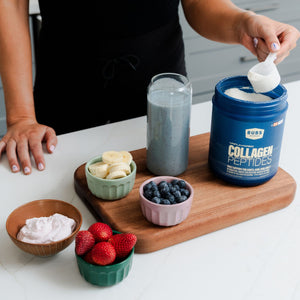
Smoothies: Add a scoop of our Collagen Peptides to your morning smoothie for an extra protein boost.
-
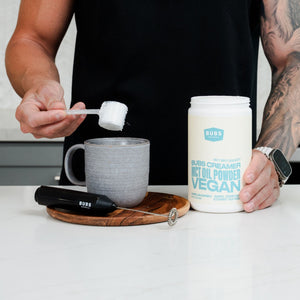
Coffee or Tea: Stir collagen powder into your favorite hot beverage for a creamy texture and added protein.
-
Baking: Incorporate collagen into baked goods for added nutrition.
Gelatin
-
Homemade Gummies: Use gelatin to make your own fruit gummies for a healthier snack option.
-
Thickening Agent: Add gelatin to soups, sauces, or broths to enhance texture.
-
Jellies and Desserts: Create jellied desserts or mousses using gelatin for a delightful treat.
Conclusion
In conclusion, gelatin powder does indeed have collagen, as it is derived from collagen through the cooking process. While both gelatin and collagen share impressive nutritional profiles and health benefits, they are not interchangeable. Collagen peptides offer higher bioavailability, making them an excellent choice for those seeking to enhance their overall wellness, while gelatin provides unique culinary applications and digestive benefits.
At BUBS Naturals, we are committed to providing clean, high-quality supplements that support your active lifestyle. Our Collagen Peptides are designed to help you feel your best, whether you’re hitting the trails or enjoying a quiet moment at home.
As you consider including these proteins in your diet, remember the unique benefits they each offer and how they can contribute to your wellness journey.
FAQ
Q: Can I use gelatin instead of collagen in recipes?
A: Yes, you can use gelatin in recipes that require gelling properties. However, gelatin will not provide the same benefits as collagen when taken as a supplement.
Q: Is collagen vegan or vegetarian?
A: No, collagen is derived from animal sources, making it unsuitable for vegans and vegetarians. However, there are plant-based alternatives available.
Q: How much collagen should I take daily?
A: The recommended daily intake of collagen varies, but many studies suggest a range of 5-15 grams per day for optimal benefits.
Q: Can gelatin help with weight loss?
A: Gelatin can promote feelings of fullness due to its high protein content, which may help with weight management when incorporated into a balanced diet.
Q: Are there any side effects of taking collagen supplements?
A: Collagen supplements are generally considered safe, but some individuals may experience mild digestive discomfort. Always consult with a healthcare professional before starting any new supplement regimen.
By understanding the relationship between gelatin and collagen, we can make informed decisions about our dietary choices and how they contribute to our overall health and wellness.