Table of Contents
- Introduction
- What Is Collagen and Its Role in Skin Health?
- How Collagen Powder Works in the Body
- Scientific Evidence Supporting Collagen Supplements
- Factors to Consider When Taking Collagen Powder
- Alternative Approaches to Maintaining Skin Elasticity
- Conclusion: Is Collagen Powder Worth Adding to Your Routine?
- FAQ Section
Do you ever look in the mirror and feel like your skin isn’t quite as firm and youthful as it once was? For many of us, the signs of aging, including sagging skin, fine lines, and wrinkles, can be hard to ignore. One of the leading culprits behind these changes is collagen—a vital protein responsible for maintaining skin structure and elasticity. So, does collagen powder really help with sagging skin? This question has captured the attention of skincare enthusiasts and health-conscious individuals alike, prompting us to dig deeper into the science behind collagen supplementation and its effects on our skin.
In this blog post, we'll explore the following aspects:
- What Is Collagen and Its Role in Skin Health?
- How Collagen Powder Works in the Body
- Scientific Evidence Supporting Collagen Supplements
- Factors to Consider When Taking Collagen Powder
- Alternative Approaches to Maintaining Skin Elasticity
- Conclusion: Is Collagen Powder Worth Adding to Your Routine?
- FAQ Section
By the end, you’ll have a clearer understanding of whether collagen powder can effectively address sagging skin and how it fits into your wellness routine.
Introduction
Have you noticed changes in your skin as you age, such as sagging or an overall loss of firmness? You’re not alone. Research indicates that the most abundant protein in your body, collagen, begins to decline in production around your mid-20s, leading to various visible signs of aging, including fine lines and sagging skin. As we venture further into the quest for youthful skin, the popularity of collagen supplements—particularly in powder form—has skyrocketed. Influencers and wellness enthusiasts tout the benefits of collagen powder, claiming it can effectively remedy sagging skin and improve overall skin health.
Yet, as we explore the claims around collagen supplementation, we must confront a crucial question: does collagen powder truly benefit sagging skin? With various studies, conflicting results, and a plethora of products available, it’s essential to separate fact from fiction.
In this post, we'll demystify collagen powder, discuss its potential benefits, and examine the scientific evidence supporting its usage. We’ll also introduce our clean and effective BUBS Naturals Collagen Peptides, formulated to support skin, hair, joint, and recovery health without any unnecessary ingredients. Throughout our discussion, we’ll emphasize our no-BS approach and commitment to quality, ensuring you have the necessary tools to make an informed choice about collagen supplements.
What Is Collagen and Its Role in Skin Health?
Collagen is a structural protein that makes up a significant portion of our skin, amounting to about 75% of its dry weight. This fibrous protein provides strength, elasticity, and hydration, forming a network that supports skin structure. There are several types of collagen, but Type I collagen is the most prevalent in the body, found in skin, bones, tendons, and ligaments.
The Aging Process and Collagen Loss
As we age, collagen production naturally declines. Factors such as sun exposure, smoking, and pollution can accelerate this process, leading to a skin that appears thinner, drier, and less elastic. Women often experience accelerated collagen loss during menopause, losing up to 30% of their collagen within the first five years following this life stage.
Understanding the role of collagen in our skin helps highlight the importance of maintaining its levels for overall skin health. Despite its natural decline, you can take steps to support collagen production by incorporating targeted supplements and adopting healthy lifestyle choices.
How Collagen Powder Works in the Body
Collagen powder mainly consists of hydrolyzed collagen peptides that have been broken down into smaller amino acids. This form is easier for the body to absorb. When consumed, collagen peptides enter the bloodstream and can stimulate fibroblasts—cells responsible for collagen synthesis in the skin.
However, while collagen powders are marketed for their beauty benefits, it's worth mentioning that their efficacy may be limited. Here’s why:
-
Digestion and Absorption: When we consume collagen powder, our digestive system breaks it down into amino acids. Research has found that these amino acids do not specifically target skin cells; instead, they disperse throughout the body for various functions.
-
Research Findings: While some studies indicate possible benefits, such as improved hydration and elasticity, the results are often influenced by industry bias or short study durations, calling their reliability into question.
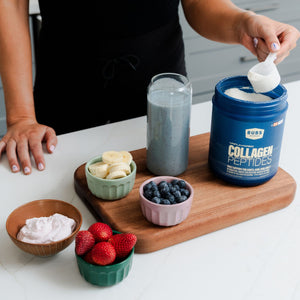
At BUBS Naturals, we prioritize quality with our Collagen Peptides, sourced from grass-fed and pasture-raised cattle. Our product is designed to seamlessly integrate into your routine—adding it to your daily smoothies, coffee, or baked goods offers a simple way to support your overall wellness.
Scientific Evidence Supporting Collagen Supplements
The effectiveness of collagen supplements, particularly for sagging skin, remains a topic of debate. While anecdotal evidence abounds, scientific studies present a more nuanced picture.
Contradictory Research Results
Research varies significantly, with some studies suggesting benefits while others find negligible or no effects:
-
Positive Findings: A 2019 study in the Journal of Drugs in Dermatology indicated that oral collagen supplements improved skin elasticity and hydration after 8–12 weeks of consistent use.
-
Skeptical Perspectives: Conversely, recent systematic reviews highlight the prevalence of industry-funded studies that demonstrate advantageous effects. Conversely, independent research often shows minimal benefits, raising concerns about the reliability of the former.
Industry Influence on Research
The supplement industry heavily influences research outcomes, as many studies that report positive results are often funded by collagen supplement manufacturers. This bias raises the essential point: unbiased, high-quality research is needed to assess the efficacy of collagen powders accurately.
Factors to Consider When Taking Collagen Powder
Before incorporating collagen powder into your wellness routine, it’s essential to consider several factors that may influence your results.
-
Diet and Lifestyle: A balanced diet rich in vitamins C and E and antioxidants can support your body's natural collagen production. High sugar and inflammatory foods can hinder collagen function, so prioritize whole foods like fruits, vegetables, and lean proteins.
-
Consistency is Key: Many studies show visible effects after 8–12 weeks of daily collagen consumption. However, maintaining a healthy lifestyle alongside supplementation is crucial for maximizing benefits.
-
Quality Matters: Ensure you select high-quality collagen products, like our BUBS Collagen Peptides, which contain no unnecessary fillers and are rigorously tested for quality and safety.
-
Hydration: Staying well-hydrated plays a significant role in maintaining skin elasticity and moisture. Drinking at least 64 ounces of water daily can create an optimal environment for skin health.
At BUBS Naturals, we believe in a no-nonsense approach to wellness. By choosing clean, simple, and effective ingredients, we can support your journey toward achieving radiant skin.
Alternative Approaches to Maintaining Skin Elasticity
While collagen powder may offer some benefits, it shouldn't be your sole strategy for combating sagging skin. Here are additional, clinically proven methods to enhance skin health:
-
Topical Products: Ingredients such as retinol and vitamin C have demonstrated scientific support for stimulating natural collagen production when applied topically.
-
Professional Treatments:
-
Microneedling: This treatment involves creating micro-injuries in the skin to promote collagen renewal.
-
Laser Treatments: Certain laser therapies can help improve skin elasticity and texture by stimulating collagen production.
-
Injectable Fillers: Though more invasive, hyaluronic acid fillers offer immediate results in plumping skin and reducing the appearance of sagging.
-
Sun Protection: Daily sunscreen protects against UV damage, which can degrade collagen. Avoiding excess sun exposure is crucial to maintaining youthful skin.
Reflecting on these approaches can provide a more comprehensive strategy for improving skin elasticity and firmness.
Conclusion: Is Collagen Powder Worth Adding to Your Routine?
So, does collagen powder help with sagging skin? While it may offer some benefits in supporting skin hydration and elasticity, it should not be viewed as the ultimate solution to sagging skin. Factors such as lifestyle, diet, and skincare regimen must work in synergy to maintain youthful skin.
Incorporating high-quality collagen peptides, like our BUBS Naturals Collagen Peptides, can be a valuable addition to your wellness routine—especially when combined with other skin-friendly practices. As you navigate your skincare journey, always remember to prioritize overall wellness and seek professional advice when needed.
At BUBS Naturals, we’re proud to support you on this journey with our clean, science-backed supplements dedicated to both adventure and well-being.
FAQ Section
1. How long does it take to see results from collagen powder?
Most studies show visible improvements in skin hydration and elasticity after consistent daily use over 8–12 weeks.
2. Are there any side effects from taking collagen powder?
Generally, collagen supplements are well-tolerated. However, some may experience mild digestive issues such as nausea or bloating.
3. Can I get enough collagen through my diet?
Yes, natural sources like bone broth, chicken, fish, and collagen-rich vegetables can support collagen levels. However, supplements can provide a more concentrated source.
4. Are there any risks to using collagen supplements?
While considered safe for most, individuals with allergies to animal proteins should exercise caution. Always consult with a healthcare provider to discuss any sensitivities.
5. Should I rely solely on collagen powder for improving my skin?
No, it’s ideal to combine collagen supplements with a healthy diet, skincare products containing proven ingredients, and professional treatments for the best results.
As we continue to explore the intersection of wellness and skin health, we're committed to providing you with the highest quality supplements that reflect our mission of adventure, wellness, and giving back. Together, let’s embrace the journey of feeling and looking our best!