Table of Contents
- Introduction
- Understanding Collagen: The Body’s Structural Protein
- The Controversy Surrounding Collagen Supplements
- Assessing the Current Research Landscape
- What to Look for in a Quality Collagen Supplement
- Supporting Collagen Naturally
- Conclusion
- FAQ
Introduction
As we navigate through our busy lives, it's impossible not to notice the subtle changes in our skin as the years pass. Fine lines emerge, and the skin loses its youthful plumpness, leading many of us to ask: Does collagen help with tightening skin? This question has sparked interest across various demographics, from those trying to delay the aging process to health enthusiasts eager to explore the benefits of this popular supplement.
Collagen, a protein crucial for maintaining the structure and elasticity of our skin, begins to decline around our late 20s. The body's natural production slows due to various factors, including aging, sun exposure, and lifestyle choices like smoking or poor diet. This loss can lead to dry, sagging skin—many of us have experienced it or seen it in loved ones.
With the rise of collagen supplements on the market—from powders to gummies—the demand for information regarding their potential benefits has increased. The purpose of this blog is to explore whether collagen, indeed, aids in tightening skin. By the end of this article, we’ll have a comprehensive understanding of the mechanisms behind collagen’s impact on skin health, discuss scientific studies, and review our available options for reintroducing this important protein into our lives.
Let’s dive into the world of collagen, uncover the potential benefits of supplementation, and consider how we can enhance our skin’s elasticity from the inside out.
Understanding Collagen: The Body’s Structural Protein
What is Collagen?
Collagen is the most abundant protein in the human body, constituting a major part of connective tissues that include skin, tendons, ligaments, and bones. This triple-helix structure is formed primarily by the amino acids glycine, proline, and hydroxyproline. In skin, collagen accounts for about 75% of its weight, providing not only structural support but also contributing to skin hydration and elasticity.
Why Collagen Matters for Skin Health
As we age, our skin naturally loses collagen due to a decrease in fibroblast activity, vitamin deficiencies, and the breakdown of collagen fibers through environmental aggressors. These changes lead to thinner skin, a loss of moisture, and the appearance of fine lines and wrinkles.
Thus, maintaining adequate collagen levels is essential for healthy skin. The question arises: can we effectively replenish collagen to combat these aging signs and restore a youthful appearance?
The Controversy Surrounding Collagen Supplements
How Collagen Supplements Work
Collagen supplements, typically in the form of hydrolyzed collagen peptides, are derived from animal sources like bovine or marine collagen. The supplement process breaks down collagen into smaller peptides, making it easier for the body to absorb. Once ingested, these peptides may stimulate fibroblasts within the skin to produce new collagen.
Benefits Seen from Collagen Supplementation
Various studies have explored the impact of collagen supplementation on skin health, with many reporting notable improvements:
-
Skin Hydration: Supplementing with collagen may increase skin moisture, resulting in a radiant complexion.
-
Elasticity and Firmness: Regular intake of collagen has been linked to improved skin elasticity, plumping up fine lines and resulting in a firmer look.
-
Reduction in Wrinkles: Some participants in studies noted a significant fading of wrinkles, primarily after consistent use of collagen supplements.
That said, some caution is warranted. Research remains mixed, with concerns that the benefits tied to collagen supplementation may be biased, as many studies are sponsored by supplement manufacturers. Additionally, the absorption and effectiveness of collagen might not be universal; factors such as individual metabolism and the source of collagen can affect outcomes.
Assessing the Current Research Landscape
Recent clinical studies showcase both promise and skepticism in the realm of collagen supplementation:
-
Systematic Reviews: Research suggests that hydrolyzed collagen—when consumed regularly—has demonstrable effects on skin hydration and elasticity after 8-12 weeks of use.
-
Case Studies: Smaller trials indicate a degree of improvement; however, larger, more rigorous clinical trials are needed for comprehensive validation.
The evidence supports some benefits of collagen; however, further exploration is necessary to cement its status as an effective anti-aging supplement.
What to Look for in a Quality Collagen Supplement
If you're considering adding collagen to your wellness regimen, not all collagen supplements are created equal. Here’s what we recommend looking for:
-
Source and Type: Collagen derived from grass-fed bovine or sustainably sourced marine sources tends to be the most effective.
-
Formulation: Choose supplements that contain additional nutrients like vitamin C, which aids collagen synthesis in the body.
-
Quality Certification: Look for collagen products that are independently tested for quality and purity, ensuring there are no fillers or contaminants.
Our Top Recommendation
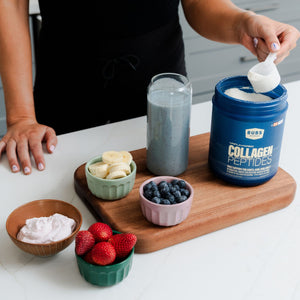
At BUBS Naturals, we pride ourselves on our high-quality, clean supplements that align with our mission of wellness and adventure. Our Collagen Peptides are grass-fed and pasture-raised, providing you with a simple, effective way to support skin elasticity and hydration without the nonsense.
Supporting Collagen Naturally
While collagen supplements offer potential benefits, several lifestyle choices can also support collagen production naturally:
Nutrition Matters
A balanced diet rich in antioxidants, vitamins, and healthy fats is crucial. Foods like citrus fruits (rich in Vitamin C), berries, leafy greens, bone broth, and fish can enhance the body’s ability to synthesize collagen naturally.
Protecting Your Skin
Prevention is key to protecting the collagen you already have. Here are a few best practices:
-
Sun Protection: Daily use of sunscreen can drastically reduce the degradation of collagen due to UV exposure.
-
Avoiding Toxins: Limiting or eliminating smoking and airborne pollutants can also deter collagen breakdown.
Embrace Healthy Lifestyle Habits
Regular exercise, good hydration, and sufficient sleep work collectively to maintain skin vitality. Incorporating practices such as these can extend the life of your collagen and enhance your skin’s overall appearance.
Conclusion
In our quest to ascertain whether collagen helps with tightening skin, we've come to recognize its significant role in maintaining skin structure and elasticity. While collagen supplementation presents a promising option for many, it's paramount to approach it with measured expectations. The beauty of collagen lies in a holistic approach—combining supplements with a nutrient-rich diet, protective skincare, and healthy lifestyle habits.
By empowering ourselves with the right knowledge and choices, we can better support our skin and embrace our natural beauty. For those interested in integrating collagen into their routine, we highly recommend exploring our Collagen Peptides. Together, let's find our best selves inside and out.
FAQ
1. How does collagen affect the skin?
Collagen plays a crucial role in maintaining skin firmness and elasticity. As collagen levels decline with age, the skin may appear saggy and less hydrated.
2. How long does it take for collagen supplements to work?
Most people may start to see results after about 8-12 weeks of consistent collagen supplementation.
3. Are there any dietary sources of collagen?
Yes, collagen can be found in food sources like bone broth, chicken, fish, and egg whites, which can support the body's natural collagen production.
4. Can topical collagen products help tighten skin?
Topical collagen products have limited effectiveness, as collagen molecules are too large to penetrate the skin. Oral supplements or other skincare ingredients like retinol and vitamin C are more effective in stimulating collagen synthesis.
5. What lifestyle factors can negatively affect collagen levels?
Exposure to sunlight, smoking, high sugar intake, and lack of hydration can contribute to the breakdown of collagen in the skin. Adopting protective and nourishing habits can help mitigate this effect.