Table of Contents
- Introduction
- What is Collagen?
- Does Collagen Darken the Skin?
- How Collagen Supports Skin Brightness
- The Role of Melanin and Tyrosinase
- Why Quality Matters: Collagen Peptides vs. Creams
- The Impact of UV Protection and Antioxidants
- Supporting Your Skin with Vitamin C
- Real-Life Expectations for Skin Changes
- Practical Steps for a Radiant Complexion
- Collagen and Overall Wellness
- Conclusion
- FAQ
Introduction
The beauty and wellness world is full of questions about how supplements affect our appearance. One question that often surfaces is whether taking collagen can lead to darker skin or increased pigmentation. When you are focused on your health and performance, you want to know exactly how every ingredient interacts with your body.
At BUBS Naturals, we believe in transparency and clean science. We know that the quality of what you put in your body dictates the results you see on the outside. Whether you are hitting the trails, training in the gym, or just trying to maintain a healthy glow, understanding the relationship between protein and skin tone is vital.
This article explores the science behind skin pigmentation, the role of collagen in skin health, and why the idea of collagen darkening the skin is largely a misconception. We will look at how this essential protein actually works to support a brighter, more even complexion rather than a darker one.
Quick Answer: No, collagen does not darken the skin. In fact, most scientific evidence suggests that oral collagen peptides may help reduce hyperpigmentation and support a more even, brighter skin tone by improving hydration and cell turnover.
What is Collagen?
To understand how collagen affects skin color, we first need to define what it is and what it does. Collagen is the most abundant protein in your body. Think of it as the "glue" that holds everything together. It provides structure to your skin, hair, nails, bones, and connective tissues.
About 75% of your skin’s dry weight is made of collagen. It is primarily responsible for the skin's firmness, elasticity, and overall structural integrity. There are several types of collagen, but Types I and III are the most critical for skin health. Type I is incredibly strong and provides the framework, while Type III helps with suppleness and hydration.
As we age, our natural production of this protein begins to slow down. This decline typically starts in our mid-20s and accelerates over time. The results are familiar: fine lines, wrinkles, sagging skin, and a loss of that youthful "bounce." Supplementing helps bridge the gap, providing the amino acids your body needs to maintain its structural foundations.
Does Collagen Darken the Skin?
The short answer is no. There is no biological mechanism by which collagen increases melanin production, which is the pigment responsible for darkening the skin. Melanin is produced by specialized cells called melanocytes. These cells react to things like UV radiation (sunlight), hormonal shifts, and inflammation.
Collagen is a protein made of amino acids like glycine, proline, and hydroxyproline. These building blocks do not stimulate melanocytes to produce more pigment. In fact, many people find that their skin looks "brighter" or more "luminous" when they supplement with high-quality peptides.
The confusion may stem from how skin looks when it is unhealthy. When skin is dehydrated, thin, or losing its elasticity, it can appear dull or "shadowy." This loss of volume can create a darker appearance in certain areas, such as under the eyes. By improving the thickness and hydration of the skin, collagen can actually help eliminate these shadows.
Myth: Collagen supplements increase melanin production and darken your skin tone.
Fact: Collagen has no direct effect on melanin production; instead, it supports skin structure and hydration, which often leads to a brighter and more even appearance.
How Collagen Supports Skin Brightness
If collagen doesn't darken the skin, what does it actually do for your complexion? The primary benefit for skin tone is "brightening" rather than "whitening." These two terms are often confused. Whitening usually refers to the active reduction of melanin, while brightening refers to increasing the skin's natural luminosity and health.
Reducing Hyperpigmentation
Hyperpigmentation occurs when certain areas of the skin produce more melanin than others, leading to dark spots or an uneven tone. This can be caused by sun damage or acne scarring. Some studies suggest that certain collagen peptides may interfere with the enzymes that trigger melanin production, potentially helping to fade these dark spots over time. For a deeper dive into that topic, see Does Collagen Help with Skin Pigmentation? A Comprehensive Exploration.
Improving Skin Hydration
One of the most immediate effects many people notice is improved moisture. Collagen helps the skin retain water. Well-hydrated skin reflects light much better than dry, flaky skin. When your skin is plump and hydrated, it has a natural glow that makes the overall tone look more vibrant and healthy.
Enhancing Cell Turnover
Your skin is constantly renewing itself. Collagen supports the repair and regeneration of skin cells. When your cell turnover is efficient, old, damaged, and pigmented cells are replaced by fresh, healthy ones more quickly. This process helps maintain a clear and even complexion.
Key Takeaway: Collagen improves skin tone indirectly by strengthening the skin barrier, increasing moisture retention, and supporting the natural repair processes that keep your complexion clear and vibrant.
The Role of Melanin and Tyrosinase
To understand skin color, we have to look at an enzyme called tyrosinase. This enzyme is the primary catalyst for the production of melanin. Most skin-lightening treatments work by inhibiting tyrosinase.
Interestingly, some research has looked at whether collagen peptides can influence this enzyme. Preliminary studies have suggested that specific sequences of amino acids found in hydrolyzed collagen may have anti-tyrosinase properties. Instead of darkening the skin, these peptides might actually help prevent the overproduction of pigment that leads to melasma or age spots.
While the science is still evolving, the current consensus is that collagen is either neutral or beneficial for those seeking an even skin tone. It certainly does not cause the skin to darken or tan on its own.
Why Quality Matters: Collagen Peptides vs. Creams
When searching for skin benefits, you will see both oral supplements and topical creams. It is important to know the difference in how they work. Collagen molecules are naturally very large. When applied topically in a cream or lotion, the molecules are usually too big to penetrate the outer layer of the skin. While these creams can be good moisturizers, they aren’t actually adding to your body’s collagen stores.
This is why we focus on Collagen Peptides. These are "hydrolyzed," meaning the protein has been broken down into smaller, more bioavailable chains of amino acids. When you ingest these peptides, they are absorbed into the bloodstream. From there, they act as messengers, signaling your body to trigger its own natural production.
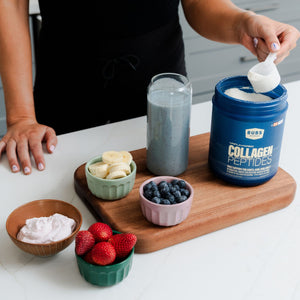
Our Collagen Peptides are grass-fed and pasture-raised, ensuring you get a clean product without fillers or additives. We make sure it's easy-mixing, so you can add it to your morning coffee or post-workout shake without any grit. Because it is NSF for Sport certified, you can trust that what is on the label is exactly what is in the tub. If you want to compare our collagen-focused resources, The Gold Standard: What is the Number One Collagen to Take? is a helpful next read.
Bottom line: Oral supplementation with hydrolyzed peptides is more effective for skin health than topical creams because it addresses the skin's structure from the inside out.
The Impact of UV Protection and Antioxidants
While collagen helps maintain the skin’s structure, it isn't a replacement for sun protection. UV rays are the primary cause of skin darkening and premature aging. Sunlight breaks down collagen fibers, leading to what we call "photoaging."
To keep your skin healthy, you should pair your supplement routine with a solid SPF and a diet rich in antioxidants. Antioxidants help neutralize free radicals—unstable molecules that damage cells and accelerate aging. Collagen itself has antioxidant properties, helping to protect skin cells from oxidative stress. This protection can help prevent the "dullness" that often makes skin look darker or older than it is.
We recommend a holistic approach to wellness. Supplements work best when they are part of a lifestyle that includes proper nutrition, hydration, and protection from environmental stressors. You can also explore the broader Collagen Peptides collection for more options.
Supporting Your Skin with Vitamin C
If your goal is a bright, even skin tone, you cannot overlook Vitamin C+. This nutrient is a vital co-factor for collagen synthesis. Without enough Vitamin C, your body struggles to cross-link collagen fibers effectively, which can lead to weaker skin structure.
Furthermore, Vitamin C is a well-known skin brightener. It helps inhibit melanin production and protects the skin from the damaging effects of the sun. This is why we often recommend pairing our Collagen Peptides with a high-quality Vitamin C supplement. Together, they provide the internal tools your skin needs to remain firm, elastic, and luminous.
Real-Life Expectations for Skin Changes
When you start a new supplement routine, it is important to be patient. Skin cells take about 27 to 30 days to renew themselves. You won't see a change overnight. Most people report noticing improvements in skin hydration and "glow" within four to six weeks of consistent use.
For more significant concerns like fine lines or hyperpigmentation, it may take three months of daily supplementation to see a noticeable difference. Consistency is the most important factor. Our products are designed to fit into your existing routine effortlessly, whether that is a quick scoop in your water or blended into a smoothie.
Practical Steps for a Radiant Complexion
Improving your skin is about more than just one supplement. It is about a series of consistent habits that support your body’s natural ability to repair itself.
-
Prioritize Clean Protein: Use a high-quality collagen supplement like ours to provide the necessary building blocks for skin repair.
-
Stay Hydrated: Water is essential for the transport of nutrients to your skin cells. Aim for at least half your body weight in ounces of water daily, and consider Hydrate or Die when you need electrolyte support.
-
Eat the Rainbow: Consume a variety of fruits and vegetables to get a wide spectrum of antioxidants and vitamins.
-
Protect Your Skin: Wear sunscreen daily, even on cloudy days. UV damage is the fastest way to lose the progress you make with supplements.
-
Get Restful Sleep: Your body does the majority of its repair work while you sleep. Aim for 7-9 hours of quality rest.
Collagen and Overall Wellness
While the focus here is on the skin, it is worth noting that the benefits of collagen extend far beyond your complexion. For those of us who live active lives, collagen is a vital part of recovery. It supports joint health by maintaining the cartilage that cushions your bones. It also strengthens the gut lining and supports healthy hair and nails.
We believe that when you feel better on the inside, it shows on the outside. Our mission is to provide you with the cleanest, most effective tools to fuel your lifestyle and your recovery. Whether you are recovering from a grueling workout or just trying to age gracefully, we are here to support that journey. If you want to read more about how collagen fits into daily wellness, What Does Collagen Powder Do for Skin? Understanding Its Benefits and Role in Your Wellness Journey is a great place to continue.
Conclusion
To wrap it up, the idea that collagen darkens the skin is a myth. The science indicates quite the opposite: it helps maintain a bright, even, and healthy complexion. By supporting skin structure, increasing hydration, and aiding in the natural repair process, collagen is one of the most effective tools for achieving a radiant glow.
At BUBS Naturals, we are committed to helping you live a life full of adventure and purpose. We focus on simple, clean ingredients that work. When you choose us, you are also supporting a larger mission. We donate 10% of all our profits to veteran-focused charities in honor of Glen "BUB" Doherty. It is our way of ensuring that our products don't just help you feel better, but also do some good in the world. Learn more in How to Boost Collagen in Your Skin for a Youthful Glow and How to Produce More Collagen in the Body Naturally.
If you are ready to support your skin from the inside out, consider adding a daily scoop of our Collagen Peptides to your routine. It is a simple step that pays dividends in your long-term health and confidence. For a broader view of our wellness lineup, browse the Boosts collection.
FAQ
Does collagen cause skin tanning?
No, collagen does not cause the skin to tan. Tanning is the result of melanin production triggered by UV exposure, whereas collagen is a structural protein that supports skin elasticity and hydration.
Can collagen help with dark spots?
Yes, many people find that collagen helps fade dark spots and hyperpigmentation. By increasing skin cell turnover and improving hydration, collagen can help replace damaged, pigmented cells with healthy new ones.
Is it better to take collagen in the morning or at night?
The best time to take collagen is whenever you can be most consistent. Whether you add it to your morning coffee or your evening tea, the total daily intake is more important than the specific timing.
Can I take collagen if I have oily skin?
Yes, collagen is suitable for all skin types. It works on the internal structure of the skin and does not affect the oil-producing sebaceous glands, meaning it won't make oily skin worse.