Table of Contents
- Introduction
- Understanding Collagen
- Evidence Supporting Collagen's Effects on Hair Growth
- Potential Drawbacks and Considerations
- How to Incorporate Collagen into Your Routine
- Conclusion
- FAQ
Have you ever looked in the mirror and wished for a little extra volume in your hair? Or perhaps you've noticed some signs of thinning and wondered if there's a way to boost your hair's health from within. If so, you're not alone. As we age, our hair can become more fragile, and many of us are turning to supplements in hopes of rejuvenating our locks. One supplement that has gained significant attention is collagen. In this post, we'll delve into the question: Do collagen supplements really grow hair?
Introduction
The quest for luscious, healthy hair is as old as time itself. From ancient remedies to modern science, people have sought ways to enhance their hair's appearance and vitality. With the rise of wellness culture and the popularity of beauty supplements, collagen has emerged as a trending ingredient. But what exactly is collagen, and can it truly support hair growth?
Collagen is the most abundant protein in our bodies, playing a crucial role in maintaining the structure and strength of our skin, hair, nails, and joints. As we age, our natural collagen production decreases, leading to various signs of aging, including thinning hair and wrinkles. This decline has prompted many to consider collagen supplements as a potential solution.
In this blog post, we will explore the following key points:
- The role of collagen in hair health
- How collagen supplements work
- The evidence supporting collagen's effects on hair growth
- Potential drawbacks and considerations
- How to incorporate collagen into your routine
By the end, you'll have a clearer understanding of whether collagen supplements can truly make a difference for your hair.
Understanding Collagen
What is Collagen?
Collagen is a protein that provides structure to various tissues in our body, including skin, bones, tendons, and cartilage. It consists of amino acids, primarily glycine, proline, and hydroxyproline. These amino acids are vital for the production of keratin, the protein that makes up our hair.
Types of Collagen
There are several types of collagen, but the most relevant for hair health are Type I and Type III. Type I collagen is the most abundant in the body and is known for its strength and structure. Type III collagen supports the structure of hair follicles and skin.
How Collagen Supplements Work
Collagen supplements typically come in the form of hydrolyzed collagen or collagen peptides. This process breaks down collagen into smaller, more easily absorbable pieces. These supplements can be derived from various sources, including bovine (cow), porcine (pig), or marine (fish) collagen.
When consumed, collagen supplements are thought to provide the body with the necessary amino acids to support the production of new collagen in the skin and hair follicles. Additionally, collagen may help improve the elasticity and strength of the dermal layer of skin, which houses hair follicles.
Evidence Supporting Collagen's Effects on Hair Growth
Amino Acids and Hair Structure
Hair is primarily composed of keratin, which is made from amino acids. Since collagen is rich in these essential building blocks, it theoretically provides the necessary components for hair growth. Proline, in particular, is a key amino acid that helps form keratin.
Antioxidant Properties
Collagen also exhibits antioxidant properties, which can help combat oxidative stress caused by free radicals. This stress can damage hair follicles, leading to thinning or loss. Some studies suggest that collagen may help protect against this damage, promoting healthier hair growth over time.
Studies and Findings
While the theoretical benefits of collagen for hair health are promising, it’s important to note that direct human studies are limited. Some research highlights the positive effects of collagen on skin elasticity and hydration, which can indirectly benefit hair. For instance, a study indicated that collagen supplementation improved skin hydration and elasticity, suggesting that healthier skin could lead to better hair growth conditions.
Animal Studies
In recent studies involving animal models, collagen peptides have shown potential in promoting hair growth. For example, a study conducted on mice found that collagen peptides enhanced hair regrowth and increased the proliferation of hair follicle cells. However, while these results are encouraging, more research in humans is needed to confirm similar effects.
Potential Drawbacks and Considerations
Lack of Regulation
One of the main concerns with collagen supplements is that they are classified as dietary supplements and are not regulated by the FDA in the same way as medications. This means that the quality and efficacy of collagen products can vary significantly between brands.
Allergic Reactions
As collagen is often derived from animal sources, individuals with allergies to bovine or fish products should exercise caution. Some users may experience allergic reactions, including swelling or gastrointestinal discomfort.
Limited Scientific Evidence
While there are numerous anecdotal reports of collagen's benefits for hair growth, the scientific evidence remains limited. Most studies focus on skin health rather than direct hair growth. Therefore, while collagen may support overall hair health, it may not be a magic solution for hair loss.
How to Incorporate Collagen into Your Routine
Choosing the Right Collagen Supplement
When selecting a collagen supplement, consider the following:
-
Source: Choose between bovine, porcine, or marine collagen based on dietary preferences and potential allergies.
-
Form: Collagen is available in various forms, including powders, capsules, and liquids. Powders can easily be added to smoothies, coffee, or other drinks.
-
Quality: Look for products that are third-party tested for purity and potency to ensure you're getting a high-quality supplement.
Other Sources of Collagen
In addition to supplements, collagen can be obtained from dietary sources. Bone broth, made by simmering animal bones, is a rich source of collagen. Foods high in vitamin C, such as oranges and strawberries, can also support your body's natural collagen production.
Conclusion
In summary, while collagen supplements may provide essential amino acids for hair health and possess antioxidant properties, the evidence supporting their direct impact on hair growth remains inconclusive. Collagen can improve skin health, potentially creating a better environment for hair follicles, but individual results may vary.
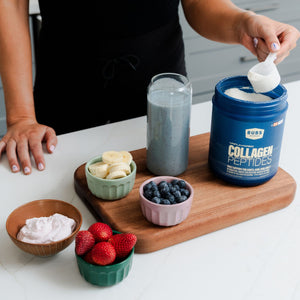
If you're considering incorporating collagen into your routine, we invite you to explore our range of Collagen Peptides at BUBS Naturals. Our commitment to clean, high-quality ingredients aligns with our no-BS approach to health and wellness. Remember, it's essential to consult with a healthcare provider before starting any new supplement regimen.
FAQ
1. Can collagen supplements help with hair loss?
While collagen supplements provide amino acids that support hair structure, there is limited scientific evidence directly linking collagen to hair regrowth.
2. How long does it take to see results from collagen supplements?
Results can vary widely from person to person. Some may notice improvements in hair health within a few weeks, while others may take months.
3. Are there side effects to taking collagen supplements?
Most people tolerate collagen supplements well, but some may experience digestive upset or allergic reactions, especially if they have sensitivities to the source of collagen.
4. Can I get collagen from food?
Yes! Foods like bone broth and collagen-rich cuts of meat can provide dietary collagen. Additionally, foods rich in vitamin C can help support your body's collagen production.
5. Is it safe to take collagen supplements daily?
For most people, taking collagen supplements daily is considered safe. However, it's always a good idea to consult with a healthcare provider, especially if you have underlying health conditions or allergies.
By understanding the role of collagen in our bodies and its potential benefits, we can make informed decisions about our hair care and overall health. Let's embrace our journey towards wellness together!