Table of Contents
- Introduction
- What Exactly Is Collagen?
- The Difference Between Allergy and Sensitivity
- Common Triggers for Collagen Reactions
- Symptoms of a Collagen Allergy
- Histamine Intolerance and Collagen
- How to Test If You Are Sensitive
- Why Purity and Testing Matter
- Choosing the Right Product for Your Needs
- Conclusion
- FAQ
Introduction
You decided to add collagen to your daily routine because you want to support your joint health, skin elasticity, or recovery after a hard training session. Most people find that adding this protein to their coffee or smoothie is an easy win for their wellness goals. However, as with any supplement derived from animal sources, a small number of people wonder if it is possible to have an allergic reaction.
At BUBS Naturals, we believe in total transparency about what goes into your body. While collagen is generally considered safe and highly tolerable, it is a protein sourced from living organisms—typically cows, fish, or pigs. This means that for those with specific sensitivities, an allergic reaction is a real, though rare, possibility.
This guide will break down the science behind collagen allergies, how to identify symptoms, and what to look for on a label to ensure you stay safe while pursuing your fitness and health goals. We will cover the difference between a true allergy and a sensitivity, as well as the specific triggers often found in lower-quality supplements.
Quick Answer: Yes, you can be allergic to collagen powder. Most reactions are not to the collagen itself, but to the source (like fish or bovine) or to added fillers and artificial ingredients. While true collagen allergies are rare, they can range from mild skin rashes to more serious digestive or respiratory issues.
What Exactly Is Collagen?
To understand if you can be allergic to it, you first need to know what it is. Collagen is the most abundant structural protein in your body. Think of it as the "scaffolding" or "glue" that holds everything together. It makes up a huge portion of your skin, bones, tendons, ligaments, and connective tissues.
As we age, our natural production of this protein begins to drop. This is why many people turn to supplements. Most collagen powders on the market are "hydrolyzed." This means the long chains of protein have been broken down into smaller pieces called peptides. Hydrolysis makes the protein much easier for your body to absorb and use. We call this "bioavailability"—the degree to which a substance becomes available to your body's target tissues.
Because collagen is a protein, your immune system generally recognizes it as a friendly building block. However, because supplemental collagen is sourced from animals, your body might react to the specific animal proteins or the processing methods used by the manufacturer.
If you want a deeper dive into how collagen works in the body, our What Is Collagen Good for in the Human Body? guide is a helpful place to start.
The Difference Between Allergy and Sensitivity
It is common for people to confuse a food allergy with a food sensitivity. While both can make you feel miserable, they involve very different internal processes.
An allergy is an immune system response. Your body mistakenly identifies a protein—in this case, the collagen source—as a threat. It then releases chemicals like histamine to "fight" the intruder. This can happen almost instantly or several hours later.
A sensitivity (or intolerance) usually happens in the digestive system. It means your body struggles to break down the supplement properly. This often leads to bloating, gas, or a "heavy" feeling in the stomach. Sensitivities are much more common than true allergies when it comes to collagen powder.
Key Takeaway: A true allergy involves the immune system and can affect the whole body, whereas a sensitivity is usually localized to the digestive tract and is often caused by how the body processes the supplement.
For more on whether collagen is a good fit for your routine, see How Do You Know If Your Body Needs Collagen?.
Common Triggers for Collagen Reactions
Most people who react to collagen powder are actually reacting to the source material. Since we cannot grow collagen in a lab from nothing, it must come from an animal.
Marine Collagen (Fish)
This is the most common source of collagen-related allergic reactions. If you have a known allergy to finned fish or shellfish, you must be extremely cautious. Even though the collagen is highly processed and purified, trace amounts of fish protein can remain. These traces are enough to trigger an immune response in sensitive individuals.
Bovine Collagen (Cows)
Bovine collagen is usually sourced from cow hides. Allergies to beef are much rarer than fish allergies, but they do exist. There is also a specific condition called Alpha-gal syndrome. This is a red meat allergy often triggered by a tick bite. People with Alpha-gal may react to bovine collagen because it contains a specific sugar molecule found in mammals.
Additives, Flavors, and Fillers
Many "allergic" reactions aren't caused by the collagen at all. Many brands pack their powders with artificial sweeteners, "natural" flavors that contain hidden allergens, or anti-caking agents. These "BS" ingredients are often the real culprits behind skin rashes or stomach upset. This is why we focus on a "no fillers" philosophy.
Myth: All collagen powder is the same, so if you react to one, you’ll react to all of them.
Fact: Reactions are often brand-specific. You might react to a flavored marine collagen full of additives but feel great taking a pure, single-ingredient bovine collagen like our Collagen Peptides.
Symptoms of a Collagen Allergy
Symptoms can vary depending on whether the reaction is immediate or delayed. It is important to listen to your body whenever you introduce something new to your routine.
Immediate Reactions (IgE-Mediated)
These usually happen within minutes to an hour after consumption. They are caused by your immune system releasing histamines.
-
Skin: Hives, itching, or redness.
-
Respiratory: Wheezing, sneezing, or a runny nose.
-
Facial: Swelling of the lips, tongue, or throat.
-
Digestive: Sudden nausea or vomiting.
Delayed Reactions (Cell-Mediated)
Some studies suggest that collagen can cause a delayed immune response. These symptoms might not appear for 24 to 72 hours, making them much harder to track.
-
Skin: Eczema-like patches or persistent rashes.
-
Joints: A temporary increase in joint stiffness or "brain fog."
-
Digestive: Chronic bloating or changes in bowel habits that start a day or two after your first dose.
The Rare Case of SJS/TEN
There have been extremely rare medical reports of severe skin reactions like Stevens-Johnson Syndrome (SJS) linked to supplements. While these are outlier cases, they highlight the importance of choosing products with clean, third-party tested ingredients. If you ever experience painful blisters or widespread skin peeling, seek medical attention immediately.
Histamine Intolerance and Collagen
Some people suffer from Histamine Intolerance or Mast Cell Activation Syndrome (MCAS). For these individuals, collagen and bone broth can sometimes be triggers.
Histamine is a chemical your body naturally produces, and it is also found in many foods. Collagen powders, especially those that are aged or processed over long periods, can have higher histamine levels. If you find that you get a headache, a flushed face, or an itchy nose every time you take collagen, you might be dealing with a histamine load issue rather than a specific protein allergy.
In these cases, choosing a highly purified, hydrolyzed peptide powder is usually better than a slow-simmered bone broth, as the precise processing of peptides often results in a cleaner end product.
How to Test If You Are Sensitive
If you are worried about a potential reaction, don't just dive in with a full serving. Use a tactical approach to testing your tolerance.
-
Check the Source: If you have a fish allergy, stick to bovine. If you have a red meat allergy, look for a high-quality marine option (if you can tolerate fish).
-
The "Dab" Test: Before eating it, mix a tiny bit of powder with water and dab it on the inside of your wrist. Wait 24 hours to see if any redness or itching occurs.
-
Start Small: Instead of a full scoop, start with a quarter of a teaspoon. Monitor how you feel for a full day.
-
Isolated Variables: Don't start three new supplements at once. Take only the collagen for a few days so you know exactly what is causing any changes in your body.
Note: If you have a history of anaphylaxis or severe food allergies, always consult with your doctor or an allergist before trying any new animal-based supplement.
Why Purity and Testing Matter
The supplement industry is often compared to the Wild West. Not every brand holds itself to high standards. Contaminants like heavy metals or cross-contamination in a dirty facility can lead to adverse reactions that have nothing to do with collagen itself.
At BUBS Naturals, we prioritize safety and trust. This is why our products are third-party tested and NSF for Sport certified. This certification is one of the most rigorous in the industry. It ensures that what is on the label is exactly what is in the tub—and nothing else. No hidden fillers, no banned substances, and no "mystery" proteins.
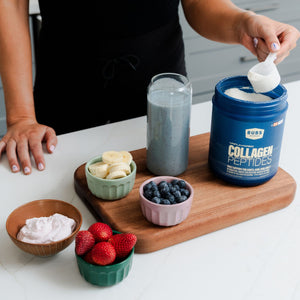
Our Collagen Peptides are sourced from grass-fed, pasture-raised cattle. By keeping the ingredient list to just one item—hydrolyzed collagen—we eliminate the common triggers like artificial dyes, dairy, soy, or gluten that often cause people to think they are "allergic" to collagen.
Choosing the Right Product for Your Needs
If you have determined that you aren't allergic but want to be as safe as possible, follow these selection criteria:
-
Single-Ingredient: Avoid "complexes" that mix five different types of protein if you have a sensitive stomach. Start with one.
-
Unflavored: Flavors often hide chemical additives. Pure collagen should be virtually tasteless and odorless.
-
Grass-Fed/Wild-Caught: The health of the animal matters. Cleaner sourcing leads to a cleaner end product.
-
Hydrolyzed: Ensure the label says "peptides" or "hydrolyzed." This ensures the protein is broken down for easier digestion, reducing the risk of a "heavy" stomach.
If you’re building a broader clean-supplement routine, browse the Boosts collection for options like creatine, vitamin C, and more.
Bottom line: Most collagen reactions are caused by poor sourcing or unnecessary additives. Choosing a high-purity, third-party tested bovine collagen is the safest bet for most active adults.
Conclusion
Can you be allergic to collagen powder? Yes, but it is uncommon. For the vast majority of people, collagen is a safe and effective way to support a lifestyle of adventure and wellness. If you do experience a reaction, it is likely tied to the animal source or a hidden filler in a low-quality brand.
By choosing clean, science-backed supplements and listening to your body, you can reap the benefits of better recovery and stronger joints without the worry. We built our brand on the idea of doing things the right way—no BS, just results. We also believe in a higher purpose. That’s why we donate 10% of all our profits to veteran-focused charities in honor of Glen "BUB" Doherty. When you choose a product that supports your health, you're also supporting a legacy of service.
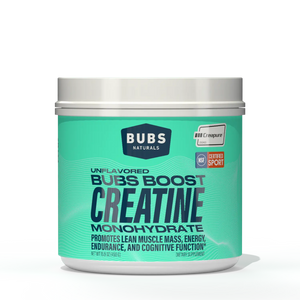
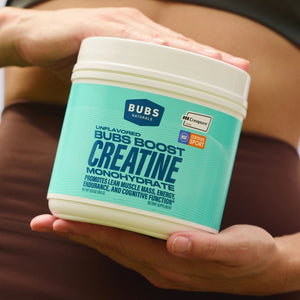
If you want to learn more about the brand behind the bottle, read Our Story. If you’re looking for a clean pairing after training, you can also explore Hydrate or Die® Electrolytes for hydration support or Creatine Monohydrate for strength and recovery.
Ready to see how clean collagen feels? Our Collagen Peptides are designed to mix effortlessly into your life, giving you the protein you need with none of the junk you don't.
FAQ
What are the most common signs of a collagen allergy?
The most common signs are skin-related, such as hives, itching, or a red rash. Some people also experience digestive distress like nausea or bloating, while others might notice respiratory symptoms like sneezing or wheezing if the allergy is more severe.
Can I take collagen if I have a shellfish allergy?
If you have a shellfish or fish allergy, you should avoid marine collagen and opt for bovine (cow) or porcine (pig) collagen instead. Always check the label for cross-contamination warnings, as some facilities process multiple types of animal proteins.
Why does collagen powder make my stomach hurt?
Stomach pain is usually a sign of sensitivity or intolerance rather than a true allergy. This can happen if you take too much at once or if the collagen isn't hydrolyzed. Switching to a high-quality, hydrolyzed peptide powder and starting with a smaller dose often solves this issue.
Is there such a thing as "vegan" collagen?
True collagen only comes from animal sources. "Vegan collagen" products are actually "collagen boosters"—a mix of vitamins and amino acids intended to help your body produce its own collagen. If you have a severe animal protein allergy, these plant-based alternatives may be a safer choice for you.
For extra support around collagen production, you may also want to look at Vitamin C and Apple Cider Vinegar Gummies, both of which fit easily into a simple daily routine.