Table of Contents
- Introduction
- Understanding Collagen: The Body's Essential Protein
- The Myth of Collagen Absorption through the Skin
- Supporting Collagen Production Naturally
- FAQ
Have you ever wondered if those fancy collagen creams promise what they claim? In the buzzing world of skincare, where collagen is touted as a miracle ingredient, it’s easy to get swept away. Yet, what is the real truth behind collagen absorption? How does our body utilize this crucial protein?
Collagen, the most abundant protein in our body, provides structure and elasticity to our skin, bones, tendons, and other connective tissues. As we age, our body's natural collagen production declines, leading many to seek out supplements and topical treatments to restore their skin's youthful appearance. But the pressing question remains: can the skin absorb collagen directly?
In this blog post, we will explore:
- The science behind collagen: What it is and how your body produces it.
- Why collagen is important for skin health.
- The debate over whether collagen can be absorbed through the skin.
- The roles of collagen supplements and how we can best use them to support our wellness.
- Tips to naturally enhance collagen production in our bodies.
By the end, you'll clearly understand the relationship between collagen and skin health, debunk the myths around topical applications, and discover how you can effectively support your body’s collagen levels naturally and with supplements.
Introduction
From celebrities endorsing collagen drinks to beauty influencers promoting collagen-infused skincare, the hype around this protein seems unending. But beneath the surface of marketing buzz lies a more complicated truth.
Collagen serves as the scaffolding of our skin, providing structural support and contributing to skin elasticity and hydration. With a staggering 30% of our body's total protein consisting of collagen, it's no surprise that maintaining its levels is vital as we navigate the aging process. But as we delve deeper, it becomes essential to differentiate between the collagen produced within our bodies and the forms we obtain through supplements and topical products.
The significant question concerning many consumers is whether collagen, when applied externally, can penetrate the skin effectively. We will dissect the current research on this topic and provide insights on how we can enhance collagen health through holistic approaches. Our mission at BUBS Naturals is to cut through the noise and present a no-BS perspective on wellness, aligning with our commitment to clean, quality, and effective products.
Together, we’ll embark on a journey to uncover the truth about collagen and arm you with the knowledge to make informed choices about your skin health.
Understanding Collagen: The Body's Essential Protein
What is Collagen?
Collagen is a group of proteins characterized by triple helix structures that provide strength and support to various tissues throughout our bodies. There are over 28 different types of collagen, with Type I being the most prominent, comprising 90% of the collagen in our skin, bones, tendons, and ligaments.
The primary building blocks of collagen are amino acids, particularly glycine, proline, and hydroxyproline. Our bodies naturally produce collagen using amino acids derived from nutrient-rich foods such as bone broth, meat, and fish. However, various factors, including aging, sun exposure, smoking, and poor diet, can impair our natural collagen production.
Why Is Collagen Important for Skin Health?
The role of collagen in maintaining youthful, elastic skin cannot be overstated. Key functions of collagen in skin health include:
-
Structural support: Collagen maintains skin firmness, reducing the visibility of fine lines and wrinkles.
-
Hydration: A well-collagenized skin matrix retains moisture, preventing dryness and promoting a healthy glow.
-
Wound healing: Collagen is crucial in repairing skin after injury or trauma.
Understanding the significance of collagen highlights the urgency to protect and enhance our natural production as we age.
The Myth of Collagen Absorption through the Skin
Can Collagen Be Absorbed through the Skin?
Despite the attractiveness of topical collagen applications, the skin cannot absorb collagen directly in its whole form. This limitation is primarily due to collagen's large molecular size. To be absorbed effectively, collagen must be broken down into smaller peptides or amino acids that can pass through the skin barrier. When applied in topical creams, collagen molecules tend to sit on the surface, offering moisturizing benefits rather than rebuilding the collagen matrix within the skin.
The Evidence
A study published in the Journal of Cosmetic Dermatology explored how topical applications of hydrolyzed collagen affected skin hydration and elasticity. The findings revealed that while topical collagen creams can boost skin moisture levels, they do not significantly increase the amount of collagen in the dermis where it is needed most.
In essence, while topical collagen may provide surface hydration and enhance the skin's appearance temporarily, it does not replace the collagen lost due to aging or environmental damage.
The Role of Collagen Supplements
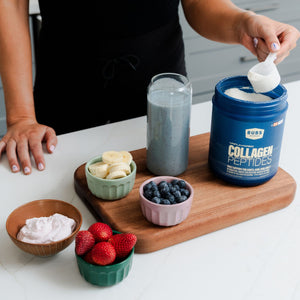
This raises the question: if collagen creams aren't the answer, what about supplements? Here, BUBS Naturals offers a solution with our high-quality Collagen Peptides. Our grass-fed, pasture-raised collagen peptides can be easily incorporated into your diet, providing your body with the essential amino acids needed to aid natural collagen production.
Research shows that when taken orally, collagen peptides can be absorbed through the gastrointestinal tract and may stimulate collagen synthesis in various tissues, including the skin. This effect occurs because peptides are smaller and can effectively communicate with fibroblast cells that produce collagen.
Supporting Collagen Production Naturally
While collagen supplements are an effective way to boost levels, we can further support our body’s natural collagen production through lifestyle choices.
Opt for Collagen-Supporting Ingredients
To nurture our skin from within, focusing on a diet rich in nutrients can significantly influence collagen health. Here are some nutrient-rich components to consider:
-
Vitamin C: Essential for collagen synthesis, it can be found in citrus fruits, leafy greens, and bell peppers.
-
Proline: Present in foods like mushrooms, egg whites, and dairy, proline plays a pivotal role in collagen health.
-
Glycine: Foods such as chicken skin, gelatin, and fish are excellent sources of glycine.
By incorporating collagen-supportive foods into our daily meals, we provide our bodies with the tools they need to maintain healthy producing levels.
Hydration and Skin Care Practices
In addition to diet, maintaining skin hydration and adopting protective skincare measures is crucial. Here are some tips:
-
Stay Hydrated: Drinking adequate water is essential for skin hydration.
-
Use Sunscreen: Protect your skin from UV damage which accelerates collagen breakdown.
-
Limit Sugar Intake: Excessive sugar can introduce advanced glycation end-products (AGEs), damaging collagen and detracting from skin elasticity.
Conclusion
To sum it up, collagen is a vital protein that underpins our skin's structure, supporting elasticity and hydration. However, it cannot be absorbed through the skin in its intact form. Instead, focusing on boosting collagen production through a balanced diet, using effective supplements like BUBS Collagen Peptides, and adopting healthy lifestyle practices can yield the best results in achieving healthy, youthful skin.
Maintaining collagen levels is part of a larger, holistic approach to wellness. Remember, we're in this together on our journey to optimal health and vitality, and the right choices can make all the difference.
FAQ
1. Can I get enough collagen from my diet alone?
While our bodies produce collagen from the amino acids found in protein-rich foods, taking supplements can support and boost production, especially as collagen synthesis decreases with age.
2. Are there any side effects to collagen supplements?
Collagen supplements are generally well tolerated, but it's essential to choose high-quality products. Our BUBS products are rigorously tested for purity and efficacy.
3. How long does it take to see results from collagen supplements?
You may begin to notice improvements in skin hydration, elasticity, and overall texture within 4-8 weeks of consistent daily use.
4. Can I mix collagen peptides into any beverage?
Yes! Our collagen peptides dissolve easily in any hot or cold liquid, allowing you to nourish your skin conveniently at any time.
5. How much collagen should I take daily?
Most studies suggest a daily intake of 5-10 grams of collagen peptides for potential benefits, which aligns perfectly with our Collagen Peptides serving size.
Explore the possibilities with us and elevate your wellness journey at BUBS Naturals!