Table of Contents
- Introduction
- What is Collagen and Why Does it Matter for Cardiovascular Health?
- Understanding Hypertension: The Silent Challenge
- Can High Blood Pressure Patients Take Collagen Safely?
- The Science: How Collagen Peptides Interact with Blood Pressure
- Artery Elasticity: The Role of Type III Collagen
- Weight Management and Satiety: Indirect Benefits for BP
- The Importance of Clean Ingredients and Third-Party Testing
- Supplements to Avoid When Managing High Blood Pressure
- The Synergy of Collagen and Vitamin C
- Hydration and Electrolytes: A Critical Piece of the Puzzle
- How to Incorporate Collagen Into Your Wellness Routine
- The 10% Rule: Wellness with Purpose
- Practical Considerations and Monitoring
- Conclusion
- FAQ
Introduction
Nearly half of all adults in the United States—approximately 120 million people—navigate the daily challenges of hypertension, more commonly known as high blood pressure. At the same time, the wellness world has seen a massive surge in the popularity of collagen, a protein hailed for its ability to support everything from glowing skin to resilient joints. This intersection leads to a vital question for many health-conscious individuals: can high blood pressure patients take collagen? When you are managing a condition that requires careful monitoring of your cardiovascular system, every scoop of powder and every daily supplement matters.
Understanding how our bodies utilize supplemental proteins while managing blood pressure is more than just a matter of curiosity; it is a fundamental part of a proactive wellness strategy. We often think of collagen as the "glue" that holds our skin together, but its biological reach extends much further, into the very walls of our arteries and the tissues of our heart. For those of us living a life of adventure and purpose, maintaining cardiovascular health is the baseline that allows us to keep moving, keep exploring, and keep giving back.
In this exploration, we will dive deep into the science behind collagen peptides and their relationship with the cardiovascular system. We will examine whether supplementing with collagen is safe for those with hypertension, how it might actually support vascular elasticity, and the importance of choosing clean, third-party-tested products. By the end of this article, you will have a comprehensive understanding of the role collagen plays in a heart-healthy lifestyle and how you can safely integrate it into your routine. At BUBS Naturals, we are committed to providing you with the transparency and science-backed information you need to feel confident in your wellness choices, all while honoring the legacy of Glen "BUB" Doherty by pushing the boundaries of what a supplement company can achieve for the community.
What is Collagen and Why Does it Matter for Cardiovascular Health?
To understand if those with high blood pressure can take collagen, we first need to define what this protein actually is. Collagen is the most abundant protein in the human body, accounting for about one-third of our total protein composition. It is often described as the "scaffolding" or "building blocks" of the body because it provides structure and strength to our connective tissues, including tendons, ligaments, skin, and—crucially—our blood vessels.
There are at least 29 different types of collagen, but the vast majority of the collagen in our bodies consists of Types I, II, and III. Each serves a specific purpose:
-
Type I: The heavy hitter for skin, bones, and tendons.
-
Type II: The primary component of cartilage, supporting joint function.
-
Type III: Highly prevalent in our internal organs, muscles, and the walls of our arteries.
It is Type III collagen that most directly intersects with cardiovascular health. Our arteries are not static pipes; they are dynamic, elastic tubes that must expand and contract with every heartbeat. This elasticity is what allows blood to flow smoothly and helps maintain stable pressure levels. As we age, our natural production of collagen begins to decline. This degradation can lead to visible signs like wrinkles, but internally, it can contribute to a loss of elasticity in the vascular walls.
When we talk about supplements like our Collagen Peptides, we are talking about "hydrolyzed" collagen. This means the large protein molecules have been broken down into smaller chains called peptides, making them easier for your body to absorb and utilize. For someone focused on heart health, ensuring the body has the necessary amino acids to support vascular integrity is a foundational goal.
Understanding Hypertension: The Silent Challenge
Hypertension occurs when the force of the blood against your artery walls is consistently too high. Over time, this constant pressure can damage the delicate lining of the arteries, leading to a host of complications. The body’s response to this damage often involves the buildup of plaque or the stiffening of the vessel walls, a process known as atherosclerosis.
Managing high blood pressure usually involves a multi-pronged approach: lifestyle modifications, dietary changes (like reducing sodium), regular exercise, and often, prescribed medications. Common medications include diuretics, ACE inhibitors, and beta-blockers. Because these medications alter how the body handles fluid, minerals, and hormone signals, it is natural to be cautious about adding any new supplement to the mix.
The primary concern for patients is whether a supplement will interfere with their medication or cause a spike in pressure. Fortunately, unlike some "natural" supplements that act as stimulants or significantly alter metabolism—such as bitter orange, ephedra, or high doses of ginseng—collagen is a structural protein. It is essentially food for your tissues. This makes its safety profile significantly different from herbal extracts that might interact more aggressively with blood pressure medication.
Can High Blood Pressure Patients Take Collagen Safely?
The short answer, supported by current research and wellness experts, is yes: most high blood pressure patients can take collagen. In fact, many health professionals view collagen as a beneficial addition to a heart-healthy diet. Because collagen is made of amino acids—the same components found in steak, chicken, or beans—it is generally recognized as safe for the broad population.
However, "safe" doesn't mean "unregulated." For someone with hypertension, the source and purity of the collagen are what matter most. Many low-quality collagen supplements are packed with fillers, artificial sweeteners, or high levels of sodium, all of which can be detrimental to someone managing their blood pressure. This is why we advocate for a "no-BS" approach. Our Collagen Peptides are sourced from grass-fed, pasture-raised bovine and contain no artificial additives, ensuring you get exactly what your body needs without the hidden junk that could complicate your health goals.
Furthermore, we believe in the power of third-party testing. If you are on medication, the last thing you want is a supplement contaminated with heavy metals or unlisted stimulants that could trigger a hypertensive crisis. All BUBS products undergo rigorous testing and are NSF for Sport certified, which is the gold standard for purity and safety. This level of transparency is essential for anyone navigating chronic health conditions.
The Science: How Collagen Peptides Interact with Blood Pressure
Scientific inquiry into the relationship between collagen and blood pressure has yielded some fascinating and encouraging results. A prominent meta-analysis published in the British Journal of Nutrition in 2023 reviewed multiple randomized, placebo-controlled trials to assess the effects of collagen peptide supplementation on cardiovascular markers. The findings were significant: collagen supplementation was associated with a notable decrease in systolic blood pressure (the top number in a BP reading).
The study revealed that participants taking collagen peptides saw an average reduction of approximately 5.04 mmHg in their systolic blood pressure. While this is not a substitute for prescribed medication, it suggests that collagen may play a supportive role in managing cardiovascular health. But how exactly does a protein powder influence the pressure in your veins?
One theory involves the specific amino acid profile of collagen. Collagen is exceptionally high in glycine, proline, and hydroxyproline. It also contains arginine, an amino acid that serves as a precursor to nitric oxide. Nitric oxide is a signaling molecule that tells the smooth muscles in your blood vessels to relax and widen, a process called vasodilation. By supporting the production of nitric oxide, collagen may help the vascular system remain flexible and open, reducing the overall pressure required to move blood through the body.
Artery Elasticity: The Role of Type III Collagen
As we mentioned earlier, Type III collagen is a major component of the extracellular matrix in our blood vessels. Think of your arteries like a high-performance garden hose. If the hose is supple and elastic, it can handle a surge of water without leaking or bursting. If the hose becomes brittle and stiff, even a small increase in pressure can cause damage.
Hypertension is both a cause and a result of "arterial stiffness." High pressure damages the walls, causing the body to replace flexible tissue with stiffer, "cement-like" collagen (fibrosis). While this sounds counterintuitive—if high blood pressure causes too much collagen buildup (fibrosis), why would you take more collagen?
The key lies in the difference between fibrosis (the pathological accumulation of rigid, unorganized collagen) and collagen peptides (the nutritional building blocks used for healthy tissue repair). Studies have suggested that certain ACE inhibitors—common blood pressure medications—actually work in part by helping the body break down that "bad" rigid collagen. By supplementing with high-quality Collagen Peptides, you are providing the body with the specific amino acids it needs to potentially rebuild healthy, elastic tissue rather than the stiff, scarred tissue associated with long-term hypertension.
Weight Management and Satiety: Indirect Benefits for BP
One of the most effective ways to manage high blood pressure is maintaining a healthy body weight. Carrying excess weight puts an immense strain on the heart, requiring it to pump harder and increasing the pressure within the arteries. For many, weight management is a cornerstone of their health journey, but it is often easier said than done.
Collagen can be a powerful ally in this department. As a pure protein source, collagen is highly satiating. Research has shown that protein is more effective at making you feel full than either carbohydrates or fats. By adding a scoop of Collagen Peptides to your morning coffee or smoothie, you may find yourself less prone to mid-morning snacking or overeating at lunch.
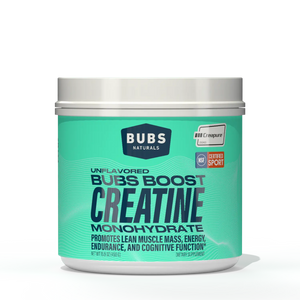
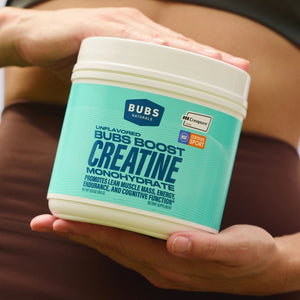
Furthermore, collagen has been shown to support lean muscle mass, especially when combined with resistance training. Because muscle tissue is metabolically active, having more of it can help support a healthy metabolism. If you are hitting the gym to keep your heart healthy, you might also consider adding Creatine Monohydrate to your routine. While creatine is often thought of for athletes, its ability to support muscle function and energy production is valuable for anyone looking to stay active as they age.
The Importance of Clean Ingredients and Third-Party Testing
When you are managing a condition like hypertension, the "cleanliness" of your supplements is not a luxury—it is a necessity. The supplement industry is notoriously under-regulated, which can lead to products containing hidden stimulants, high sodium levels, or even heavy metals like lead and cadmium.
At BUBS Naturals, our mission is rooted in the "no-BS" philosophy. This isn't just a marketing slogan; it's a commitment to the legacy of Glen "BUB" Doherty, a Navy SEAL who lived a life of peak performance and integrity. We believe that if you’re putting something into your body to improve your health, it shouldn’t come with hidden risks.
Our Collagen Peptides are single-ingredient, unflavored, and dissolve instantly. This makes them easy to integrate into a heart-healthy diet without adding unnecessary sugars or sodium. We also take great pride in our NSF for Sport certification. This means that every batch is tested for over 280 banned substances and contaminants. For a patient on blood pressure medication, this certification provides the peace of mind that their supplement won't contain any "surprises" that could interfere with their health or their doctor's treatment plan.
Supplements to Avoid When Managing High Blood Pressure
While collagen is generally considered safe and even beneficial, the same cannot be said for all supplements. If you are navigating hypertension, it is important to know which common over-the-counter products might pose a risk. Many "natural" remedies can interact with blood pressure medications or directly raise your heart rate and pressure.
Some supplements to use with extreme caution include:
-
St. John’s Wort: Often used for mood support, it can speed up the metabolism of many medications, potentially making your blood pressure meds less effective.
-
Bitter Orange and Ephedra: These are often found in weight-loss products and act as potent stimulants that can significantly spike blood pressure.
-
Ginseng: While it has many purported benefits, ginseng can occasionally raise or lower blood pressure unpredictably.
-
High-Sodium Effervescent Tablets: Some vitamins come in "fizzing" tablets that are loaded with sodium—a major "no" for hypertension management.
Instead of risky stimulants, focus on foundational support. For example, if you are looking for a metabolic boost or sustained energy, our MCT Oil Creamer provides healthy fats derived from coconuts. Unlike caffeine-heavy stimulants, MCTs provide a steady source of energy for the brain and body without the jittery heart-rate spikes associated with other energy supplements.
The Synergy of Collagen and Vitamin C
For collagen to be effectively utilized by the body, it needs a specific co-factor: Vitamin C. This essential nutrient is the "key" that allows the body to cross-link amino acids into functional collagen fibers. Without adequate Vitamin C, your body’s ability to repair its vascular walls and skin becomes compromised.
For those with high blood pressure, Vitamin C offers additional benefits. It is a powerful antioxidant that helps protect the lining of the blood vessels (the endothelium) from oxidative stress. When the endothelium is healthy, it can better regulate blood pressure. We recommend pairing your daily collagen intake with our Vitamin C supplement, which also includes citrus bioflavonoids to support better absorption and overall vascular health. This combination ensures that the Collagen Peptides you take are actually being put to work where your body needs them most.
Hydration and Electrolytes: A Critical Piece of the Puzzle
Blood pressure is fundamentally a game of fluid dynamics. Your blood volume and the balance of minerals (electrolytes) in your system directly dictate how hard your heart has to work. Many people with hypertension are advised to watch their salt intake, but the goal is really about balance—ensuring you have enough potassium and magnesium to counteract the effects of sodium.
Dehydration can also lead to a temporary spike in blood pressure as the body constricts blood vessels to maintain circulation. If you are active—whether you’re hiking, training, or just busy with daily life—proper hydration is non-negotiable. Our Hydrate or Die electrolyte formula is designed for rapid, effective hydration without the added sugars found in many sports drinks. By maintaining a proper balance of electrolytes, you support your heart’s ability to pump efficiently, which is the perfect complement to a collagen-rich wellness routine.
How to Incorporate Collagen Into Your Wellness Routine
If you and your doctor have determined that adding collagen is a good step for your cardiovascular health, the next step is making it a habit. One of the reasons we love Collagen Peptides is their versatility. They are virtually tasteless and odorless, meaning you don't have to change your diet to get them in.
Here is a simple "day-in-the-life" example of how to integrate these supplements:
-
Morning Ritual: Start your day by stirring a scoop of collagen into your morning coffee or tea. To add some healthy fats for mental clarity, mix in a serving of our MCT Oil Creamer. It creates a creamy, delicious texture without the sugar found in traditional creamers.
-
Post-Workout or Mid-Day: After a walk or a gym session, stay hydrated with Hydrate or Die. If you're on the go, toss a travel pack of collagen into your water bottle.
-
Evening Wellness: Keep your digestion and general wellness in check with our Apple Cider Vinegar Gummies. They are a convenient way to get the benefits of "the Mother" in ACV without the harsh taste.
By layering these small habits together, you create a comprehensive wellness foundation that supports your heart, your joints, and your overall vitality.
The 10% Rule: Wellness with Purpose
At the heart of BUBS Naturals is a commitment that goes beyond supplement facts and lab reports. We were founded to honor Glen "BUB" Doherty, a hero who lost his life in Benghazi, Libya, in 2012. Glen lived a life of adventure and dedicated himself to helping others. We carry that legacy forward through our 10% Rule: we donate 10% of all profits to veteran-focused charities, including the Glen Doherty Memorial Foundation.
When you choose to support your health with our products, you are also supporting those who have served. We believe that wellness is not just an individual pursuit; it’s a community effort. This sense of purpose is what drives us to maintain the highest standards for our Collagen Peptides and our entire product line. We want you to feel good about what you’re putting in your body and where your money is going.
Practical Considerations and Monitoring
While the science is promising, everyone’s body is unique. If you have high blood pressure, the most important thing you can do when starting any new supplement is to monitor your response.
-
Talk to your doctor: Share the nutritional profile of our collagen with your healthcare provider. They can help you determine the best dosage and ensure there are no specific concerns related to your unique health history.
-
Track your readings: If you use a home blood pressure cuff, keep a log of your readings for a few weeks after starting collagen. This will help you see how your body is responding in real-time.
-
Watch for additives: Always read labels. Avoid "collagen blends" that contain caffeine or other stimulants, as these can negatively impact blood pressure.
By being a proactive participant in your health management, you can enjoy the benefits of collagen while ensuring your cardiovascular system remains protected.
Conclusion
Can high blood pressure patients take collagen? Based on current scientific understanding and the nutritional profile of the protein, not only is it generally safe, but it may also offer meaningful support for vascular health, weight management, and overall tissue integrity. By providing the body with the specific amino acids like arginine and glycine that support nitric oxide production and arterial elasticity, collagen can be a valuable component of a heart-healthy lifestyle.
However, the key to success lies in the quality of the product and a holistic approach to wellness. High-quality, clean, and third-party-tested supplements are essential for anyone managing a chronic condition. By pairing our Collagen Peptides with proper hydration through Hydrate or Die and the antioxidant support of Vitamin C, you are taking a comprehensive step toward a more vibrant, active life.
We invite you to explore the science-backed ingredients and the mission-driven heart of BUBS Naturals. Whether you are scaling a mountain or simply navigating the daily requirements of your health, we are here to support your journey with clean, effective, and purpose-driven nutrition. Check out our Collagen Peptides today and feel the difference that high-quality, professional-grade supplementation can make.
FAQ
Can collagen supplements interact with my blood pressure medication?
Generally, collagen is a structural protein and does not have known negative interactions with common blood pressure medications like ACE inhibitors or beta-blockers. However, because some medications affect how your body processes protein or minerals, it is always best to consult with your physician before starting a new supplement. Ensuring you use a clean product like our Collagen Peptides, which is free of stimulants and fillers, further reduces the risk of any unwanted interactions.
Does collagen contain a lot of sodium?
High-quality collagen peptides naturally contain a very small amount of sodium (usually less than 50mg per serving), which is typically negligible for most people on a low-sodium diet. However, many "flavored" or "multi-ingredient" collagen products can have significantly higher sodium or artificial sweeteners. At BUBS, we prioritize purity; our unflavored Collagen Peptides contain no added salt, making them a safe choice for those monitoring their sodium intake.
How long does it take to see the cardiovascular benefits of collagen?
Most studies that show a positive impact on blood pressure or arterial elasticity involve consistent daily use over a period of 12 to 24 weeks. Collagen is not a "quick fix" but rather a nutritional foundation that supports the body's natural repair processes over time. To ensure you're giving your body the best support, we recommend a consistent daily routine that also includes essential co-factors like Vitamin C.
Is there any type of collagen I should avoid if I have high blood pressure?
The primary types to avoid are those with unlisted ingredients, "energy-boosting" blends that contain caffeine, or products that are not third-party tested. Stimulants can cause a rapid increase in heart rate and blood pressure, which is dangerous for hypertensive patients. Always look for a reputable source that provides NSF for Sport certification to ensure your supplement is free from harmful contaminants. Our focus at BUBS is providing simple, effective ingredients so you can focus on your health without the guesswork.