Table of Contents
- The Basics of Collagen: What Is It and Why Is It Important?
- Understanding Collagen Supplements
- Do Collagen Supplements Work for Loose Skin?
- Tips for Enhancing Collagen's Effects
- Conclusion: The Verdict on Collagen for Loose Skin
- FAQ
Have you ever looked in the mirror to notice a shift in your skin's elasticity, or perhaps felt disheartened after a significant weight loss journey? You’re not alone; the quest for youthful, tight skin often leads us to consider various remedies, including collagen supplements. As advocates for wellness and the embodiment of Glen “BUB” Doherty’s spirited legacy, we want to delve into this compelling topic: can collagen supplements help loose skin?
Collagen is the most abundant protein in our body, providing structure, firmness, and elasticity to our skin, hair, nails, and connective tissues. However, as we grow older—often starting in our mid-20s—our natural collagen production begins to decline. This process can be exacerbated by lifestyle factors such as sun exposure, smoking, and poor nutrition, leading us to question whether replenishing collagen through supplementation can truly combat loose or sagging skin.
In this article, we will explore the intricate relationship between collagen supplements and skin health, diving into the science behind them, the possible benefits, and the factors influencing their effectiveness. We will also discuss our commitment to clean, high-quality supplements and how they reflect our mission. By the end of this post, we aim to empower you with knowledge to make informed decisions regarding your skin health and wellness journey.
The Basics of Collagen: What Is It and Why Is It Important?
Collagen is a structural protein that accounts for about 80% of our skin and forms the framework that helps keep it resilient. As we age, certain factors lead to a decrease in collagen production:
-
Intrinsic Aging: Natural aging processes can decrease collagen and elastin production.
-
Extrinsic Factors: Environmental aggressors such as UV radiation, pollution, and lifestyle choices like smoking can weaken collagen fibers.
This decline is often what leads to the signs of aging, including fine lines, wrinkles, and a loss of skin elasticity. Understanding the role of collagen lays the foundation for discussing whether supplements can help improve skin appearance and texture.
Understanding Collagen Supplements
Collagen supplements typically come in three forms: powders, capsules, or gummies, and they often contain types of collagen derived from bovine, marine, or chicken sources. The most commonly referred to are hydrolyzed collagen or collagen peptides, which are broken down into smaller chains that the body can absorb more easily.
How Collagen Supplements Work
When consumed, collagen peptides travel through the gastrointestinal tract and enter the bloodstream. Here, they can potentially stimulate fibroblasts, the cells responsible for collagen production in the skin. Despite the strong premise behind collagen supplementation, scientific inquiry reveals mixed results:
-
Studies: Some clinical trials suggest improvements in skin hydration, elasticity, and even a reduction in fine lines and wrinkles among users of collagen supplements. However, it’s essential to note that many studies are small-scale, sometimes sponsored by supplement manufacturers, and often lack rigorous controls.
The Scientific Landscape: Current Research
Research has shown promising results in support of collagen supplementation for improving skin health:
-
Hydration and Elasticity: In several studies, participants reported enhanced skin hydration and elasticity after consistent use of collagen supplements over eight to twelve weeks.
-
Improvement in Texture: Some studies have indicated significant changes in skin texture and density, suggesting that collagen supplementation may indeed help combat the loose skin issue.
Potential Benefits of Collagen Supplements
As we assess the question of whether collagen supplements can help with loose skin, we must consider the purported benefits:
-
Improves Skin Hydration: Supports the skin’s moisture barrier for a plumper appearance.
-
Boosts Elasticity and Firmness: Encourages natural collagen and elastin production, which may lead to firmer skin.
-
Supports Wound Healing: Collagen may aid in accelerating tissue repair and reducing scar appearance.
-
Promotes Hair and Nail Health: Enthusiasts report stronger hair and nails with consistent collagen use.
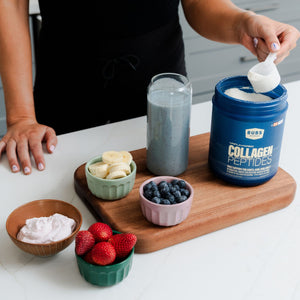
While many users rave about their experiences, individual results can vary widely. As strong proponents of transparency and efficacy, we at BUBS Naturals ensure that our products, like our Collagen Peptides, meet high standards of quality, being rigorously tested and certified.
Do Collagen Supplements Work for Loose Skin?
The surprise for many might be that while evidence is accumulating, it’s still inconclusive how these supplements perform specifically in the context of loose skin. Here's what we understand:
-
Absorption and Bioavailability: Most studies suggest that the collagen peptides consumed are absorbed into the bloodstream, but whether they specifically replace collagen in the skin remains a topic of ongoing research.
-
Factors Influencing Effectiveness: Results can be influenced by:
-
Source of Collagen: Marine collagen might have a higher bioavailability than bovine.
-
Diet and Lifestyle: Supporting collagen production with nutrients like Vitamin C, along with a healthy lifestyle, maximizes the potential benefits of supplementation.
Furthermore, while supplements can act as a part of the skincare routine, they shouldn't replace comprehensive skincare practices, such as consistent use of sunscreen, regular hydration, and a balanced diet.
Tips for Enhancing Collagen's Effects
If you're considering adding collagen supplements to your regimen, here are strategic ways to maximize their potential:
-
Pair with Vitamin C: This vitamin plays a crucial role in collagen synthesis. Incorporate foods rich in Vitamin C, such as citrus fruits or consider our
Vitamin C+ to bolster your routine.
-
Maintain Hydration: Drink plenty of water. Hydrated skin is more resilient and can appear firmer.
-
Focus on a Nutrient-Rich Diet: Include proteins, omega-3 fatty acids, and foods rich in antioxidants to support skin health from within.
-
Implement Topical Skincare: Use topical products with active ingredients like retinol, hyaluronic acid, and peptides to complement the internal benefits of supplements.
Conclusion: The Verdict on Collagen for Loose Skin
The question of whether collagen supplements can help with loose skin is not entirely black and white. With emerging evidence supporting their potential role in enhancing skin hydration, elasticity, and overall texture, they present a promising approach within a broader skincare regimen. However, they are not a silver bullet.
At BUBS Naturals, we resonate deeply with the value of supporting an active, adventurous lifestyle while recognizing the importance of integrity in product formulation. Our Collagen Peptides come from responsibly sourced ingredients, ensuring you only consume what is best for your body without any BS.
We encourage our community to approach health and beauty holistically—incorporating healthy practices, knowledge, and effective supplementation into their lives. While collagen might contribute to improving skin health, a well-rounded approach will always yield the best results.
FAQ
1. How long before I notice results from collagen supplements?
Most users report initial improvements after about 8-12 weeks of consistent use, but this can vary among individuals.
2. Are there any side effects associated with collagen supplements?
Generally, side effects are minimal but might include digestive discomfort or allergies in those sensitive to the source of collagen (such as fish or bovine).
3. Can I get collagen from my diet?
Yes! Consuming bone broth, fish, poultry, and collagen-rich foods can help bolster your body’s natural collagen production.
4. Is it safe to take collagen supplements long-term?
Collagen supplements are generally considered safe for long-term use, but it’s always best to consult with a healthcare provider regarding your specific health needs.
5. Should I combine collagen supplements with other products?
An integrative approach works best. Combining collagen supplements with topical treatments like retinol and moisturizing products can yield enhanced benefits for skin health.
By embracing holistic wellness and understanding how to properly support our skin, we can navigate the journey of aging with confidence and grace.