Table of Contents
- What is Collagen?
- How Do Collagen Supplements Work?
- The Science Behind Absorption
- Comparing Dietary Sources of Collagen
- The Potential Benefits of Collagen Supplements
- BUBS Naturals and Quality Collagen
- Conclusion
- FAQ
As we journey through life, our bodies undergo countless changes, some of which manifest on our skin, hair, and joints. For those seeking to reclaim a youthful appearance or alleviate joint discomfort, collagen supplements have gained meteoric popularity. But the central question remains: can collagen be absorbed through supplements?
In this blog post, we will delve deep into the science of collagen, examining how it works in our bodies, the role of supplements, and the evidence behind their purported benefits. We will explore the nuances of dietary sources versus supplementation, and how BUBS Naturals' collagen products can fit seamlessly into an active lifestyle focused on wellness.
Introduction
Did you know that collagen is the most abundant protein in your body, making up about 30% of your total protein content? This remarkable protein is essential for maintaining the structure and integrity of our skin, bones, tendons, and ligaments. As we age, however, collagen production decreases, leading to visible signs of aging such as wrinkles and joint pain.
With the rise of wellness culture and the increasing visibility of supplements in our daily routines, many people are turning to collagen supplements in hopes of reversing these effects. But the question remains: can our bodies effectively absorb collagen from these supplements?
This post aims to clarify the relationship between collagen supplementation and absorption, exploring the science behind collagen, the different forms it takes, and the potential benefits of supplementation. By the end, we hope to provide you with a well-rounded understanding of whether collagen supplements are worth considering for your wellness journey.
We will cover the following key areas in this article:
- What is collagen and its significance
- How collagen supplements work
- The science behind absorption
- Comparing dietary sources of collagen
- The potential benefits of collagen supplements
- BUBS Naturals’ commitment to quality and wellness
What is Collagen?
Collagen is a structural protein that serves as a major building block for our skin, cartilage, tendons, ligaments, and bones. It provides strength and elasticity, helping to maintain the body's overall structure. There are several types of collagen, but types I, II, and III are the most prevalent in the human body.
-
Type I: Most abundant, found in skin, bones, and tendons.
-
Type II: Found mainly in elastic cartilage, providing joint support.
-
Type III: Present in skin, blood vessels, and internal organs.
As we age, our bodies naturally produce less collagen, which can lead to sagging skin, joint pain, and other signs of aging. External factors such as sun exposure, smoking, and poor nutrition can further exacerbate collagen depletion.
How Do Collagen Supplements Work?
Collagen supplements typically come in two forms: hydrolyzed collagen (collagen peptides) and gelatin. Hydrolyzed collagen is broken down into smaller peptides, making it easier for the body to absorb. Gelatin, on the other hand, is cooked collagen that can also be beneficial but may not be as easily absorbed.
When we consume collagen in supplement form, it does not directly replenish collagen in our skin or joints. Instead, the body breaks down the collagen into amino acids, which are then used to synthesize various proteins, including collagen itself. This process underscores the importance of a balanced diet rich in protein, vitamins, and minerals for optimal collagen production.
The Science Behind Absorption
One of the most critical aspects of collagen supplementation is understanding how the body absorbs it. Research indicates that collagen must be broken down into smaller peptides to be absorbed through the gut and enter the bloodstream effectively.
-
Absorption Process: Once ingested, collagen undergoes digestion in the gastrointestinal tract, where it is broken down into amino acids or smaller peptides. These can then be absorbed and utilized by the body for various purposes, including the synthesis of new collagen.
While some studies suggest that collagen peptides can improve skin hydration, elasticity, and joint health, the evidence remains inconclusive. The current consensus is that while collagen supplementation may provide the body with the necessary building blocks, it does not guarantee that these blocks will be used specifically for collagen production in the skin or joints.
Comparing Dietary Sources of Collagen
In addition to supplements, collagen can also be obtained from dietary sources. Foods rich in collagen include:
-
Bone Broth: A traditional source, rich in collagen derived from simmered animal bones.
-
Meat: Cuts that contain connective tissues, such as brisket or chuck.
-
Fish: Particularly skin and scales of fish.
-
Egg Whites: Contain proline, an amino acid essential for collagen synthesis.
Incorporating these foods into our diets can support natural collagen production without relying solely on supplements.
The Potential Benefits of Collagen Supplements
While the scientific evidence is still evolving, some studies have suggested that collagen supplementation may offer the following benefits:
-
Skin Health: Some research indicates that collagen peptides can improve skin elasticity and hydration, potentially reducing the appearance of wrinkles.
-
Joint Support: Collagen may help alleviate joint pain and stiffness, particularly in individuals with osteoarthritis or other joint-related issues.
-
Hair and Nail Strength: While evidence is limited, some users report improvements in hair thickness and nail strength when using collagen supplements.
It's essential to approach these claims with caution. More extensive, high-quality studies are needed to substantiate the benefits of collagen supplements.
BUBS Naturals and Quality Collagen
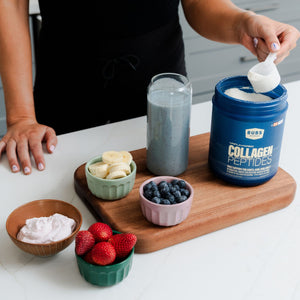
At BUBS Naturals, we believe in harnessing the power of clean and functional ingredients to support an active lifestyle. Our Collagen Peptides are derived from grass-fed, pasture-raised sources and are rigorously tested for purity and efficacy. By incorporating our collagen into your daily routine, you can support your body’s natural collagen production while embracing the adventure of life.
Our commitment to quality extends beyond the products we offer. We also honor the legacy of Glen “BUB” Doherty by donating 10% of all profits to veteran-focused charities, ensuring that our mission of wellness and giving back is at the forefront of everything we do.
Conclusion
So, can collagen be absorbed through supplements? The answer is nuanced. While collagen in its whole form cannot be absorbed, hydrolyzed collagen or collagen peptides can be broken down and utilized by the body. However, the direct benefits of supplementation for skin, hair, and joints are still under investigation, and results may vary from person to person.
For those considering collagen supplements, it’s essential to approach them as a complement to a balanced diet rich in protein and nutrients rather than a miracle solution.
By prioritizing wellness through clean, effective ingredients and living an adventurous life, we can all support our bodies in their natural processes. If you're interested in exploring our Collagen Peptides, shop now and feel the BUBS difference.
FAQ
Q: How much collagen should I take daily?
A: Dosages vary, but many studies suggest between 2.5 to 15 grams of collagen peptides per day to observe potential benefits.
Q: Are there any side effects associated with collagen supplements?
A: Collagen supplements are generally considered safe. However, some individuals may experience digestive discomfort or allergic reactions, especially if they have sensitivities to the source (e.g., fish or shellfish).
Q: Can I get enough collagen from my diet without supplements?
A: Yes, consuming a balanced diet that includes collagen-rich foods can provide the necessary amino acids for collagen production without the need for supplements.
Q: Is there a difference between collagen peptides and gelatin?
A: Yes, collagen peptides are hydrolyzed and more easily absorbed, while gelatin is cooked collagen and may not dissolve as well in liquid.
Q: How long does it take to see results from collagen supplementation?
A: Results can vary, but many users report improvements in skin elasticity and hydration within 4 to 12 weeks of consistent supplementation.
By understanding the science behind collagen, we can make informed choices that support our health and wellness goals. Whether through supplements or dietary sources, nurturing our bodies with the right ingredients is an essential part of the adventure that is life.