Table of Contents
- Introduction
- What is Creatine, Anyway?
- Creatine Monohydrate: The Gold Standard
- Exploring Other Creatine Forms
- Why Creatine Monohydrate Remains the Top Pick
- Maximizing Your Creatine Monohydrate Routine
- Our No-BS Approach to Wellness
- Conclusion
- FAQ
Introduction
In the vibrant world of fitness and athletic performance, few supplements command as much attention and discussion as creatine. You’ve likely heard it mentioned in gyms, seen it advertised, and perhaps even considered adding it to your own routine. But with an array of choices on the market, the question often arises: what exactly is the difference between "regular creatine" and creatine monohydrate? This common confusion can make selecting the right supplement feel like navigating a complex maze, especially when your goal is to support your body effectively and pursue a life of adventure and wellness.
At BUBS Naturals, we believe in clarity, clean ingredients, and a no-BS approach to supplements, inspired by the enduring legacy of Glen "BUB" Doherty. Our mission is to empower your journey with science-backed solutions that genuinely work. This post aims to cut through the noise, providing a comprehensive understanding of creatine—its fundamental role in your body, the various forms available, and why one particular type stands as the undeniable gold standard. By the end, you’ll not only understand the nuances between creatine monohydrate and other formulations but also feel confident in making an informed decision that aligns with your active lifestyle and wellness goals. We'll explore the science, address common misconceptions, and highlight why choosing the right creatine can make a tangible difference in your pursuit of peak performance and robust recovery.
What is Creatine, Anyway?
Before we delve into the distinctions between various forms, it’s essential to understand what creatine is and how it functions within the body. At its core, creatine is a naturally occurring amino acid derivative, primarily synthesized in the liver and kidneys from three amino acids: arginine, glycine, and methionine. While our bodies produce some creatine, and it can be obtained in small amounts from foods like red meat and fish, these quantities are often insufficient to fully saturate muscle stores, especially for those with active lifestyles.
Approximately 95% of the body's creatine is stored in skeletal muscle, where it plays a critical role in cellular energy production. Specifically, creatine helps regenerate adenosine triphosphate (ATP), often referred to as the body's energy currency. During high-intensity, short-duration activities—like weightlifting, sprinting, or explosive movements—ATP is rapidly depleted. Creatine phosphate donates a phosphate molecule to adenosine diphosphate (ADP), quickly converting it back to ATP. This rapid replenishment of ATP allows muscles to sustain high levels of effort for longer periods, delaying fatigue and enabling more powerful contractions.
Beyond its well-known impact on physical performance, creatine also contributes to other physiological processes. It increases the water content within muscle cells, a process known as cell volumization, which can contribute to an increase in muscle size and an anabolic signal for muscle growth. Furthermore, research has indicated potential benefits for brain health, supporting cognitive function, memory, and reducing mental fatigue, particularly in demanding situations or for individuals with compromised creatine levels, such as vegetarians or vegans. Understanding these fundamental roles of creatine sets the stage for appreciating why supplementation has become so popular and why choosing the right form is crucial for maximizing its potential benefits. It’s a foundational element for anyone looking to support their strength, power, and overall training performance.
Creatine Monohydrate: The Gold Standard
When people refer to "regular creatine," they are almost invariably talking about creatine monohydrate. This isn't just a default; it's a testament to its unparalleled track record in scientific research, efficacy, and safety. Creatine monohydrate is composed of a creatine molecule bonded with a single water molecule. This simple yet effective structure is the most widely studied and recommended form of creatine globally, earning its reputation as the "gold standard" in the supplement industry.
The vast majority of creatine's well-documented benefits have been observed through studies specifically using creatine monohydrate. These benefits include:
-
Enhanced Muscle Strength and Power: By increasing the availability of ATP, creatine monohydrate allows for more explosive power output during high-intensity exercise, translating to heavier lifts and stronger sprints.
-
Improved Exercise Performance: It supports the body's ability to perform repeated bouts of high-intensity activity, improving overall work capacity and delaying fatigue.
-
Support for Lean Muscle Mass Development: Through mechanisms like cell volumization and enhanced training capacity, creatine monohydrate can contribute to an increase in lean body mass when combined with resistance training.
-
Accelerated Muscle Recovery: Better energy availability and reduced muscle damage markers can lead to faster recovery between workouts.
-
Cognitive Support: Emerging research also points to creatine's role in supporting brain health, memory, and overall cognitive function by enhancing energy metabolism in brain cells.
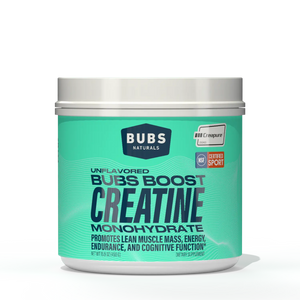
Our commitment at BUBS Naturals is to provide clean, functional, and science-backed supplements. That's why we offer pure Creatine Monohydrate. We believe in a no-BS approach, offering only simple, effective ingredients that are rigorously tested. Our Creatine Monohydrate is a single-ingredient powerhouse designed to support your strength, power, and training performance, helping you push your limits safely and effectively. It’s a testament to our philosophy: provide what works, with transparent quality, so you can focus on your adventure. This dedication to proven efficacy and quality is a cornerstone of everything we do, honoring the legacy of Glen "BUB" Doherty by supporting those who live with purpose and push for more.
Exploring Other Creatine Forms
While creatine monohydrate reigns supreme, the supplement market is rich with other creatine formulations, each promising unique advantages. It’s important to understand these variations to appreciate why creatine monohydrate remains the benchmark. Many of these alternative forms aim to improve solubility, absorption, or reduce potential side effects, but often lack the robust scientific evidence to back these claims over the established benefits of monohydrate.
Micronized Creatine: A Refinement, Not a New Form
Micronized creatine is perhaps the most common alternative to "regular" creatine monohydrate, but here's the key distinction: it is creatine monohydrate. The "micronized" simply refers to a mechanical process where the creatine monohydrate particles are broken down into much smaller pieces, typically up to 20 times smaller than standard monohydrate.
Claimed Benefits: The primary advantage of micronized creatine is its enhanced solubility. Smaller particles mix more easily into liquids, leading to less clumping and a smoother texture. This can be appealing to individuals who find standard creatine monohydrate slightly gritty or who experience minor digestive discomfort.
What the Science Says: While micronization undeniably improves mixability, research has not conclusively shown that it leads to superior absorption or effectiveness in terms of muscle creatine uptake or performance benefits compared to regular creatine monohydrate. The active compound remains the same, and the body's mechanisms for absorbing creatine are not significantly altered by particle size in a way that translates to greater muscular benefits.
Cost and Practicality: Due to the additional processing required, micronized creatine typically comes at a slightly higher price point than standard creatine monohydrate. For most users, the choice between micronized and non-micronized monohydrate comes down to personal preference for mixability and whether the slightly higher cost is justified for that improved experience.
Creatine Hydrochloride (HCl): Solubility Claims
Creatine Hydrochloride, or Creatine HCl, is a form where the creatine molecule is bound to hydrochloric acid.
Claimed Benefits: Manufacturers often market Creatine HCl as having significantly superior solubility in water compared to monohydrate, which theoretically allows for smaller doses and potentially reduced side effects like bloating or stomach upset.
What the Science Says: While Creatine HCl does exhibit higher solubility in laboratory settings, there is currently limited high-quality human research to demonstrate that this translates into greater bioavailability, absorption into muscle cells, or superior performance benefits compared to creatine monohydrate. Studies that have compared Creatine HCl to monohydrate typically show similar effectiveness, with no clear advantage for HCl in terms of muscle strength or body composition improvements. Given the extensive body of research supporting monohydrate, HCl cannot be definitively recommended as a superior alternative without more comprehensive scientific validation.
Creatine Ethyl Ester (CEE): Absorption Debate
Creatine Ethyl Ester (CEE) is a form where an ester group is attached to the creatine molecule.
Claimed Benefits: CEE was developed with the hypothesis that adding an ester group would make creatine more lipophilic (fat-soluble), improving its absorption and bioavailability by bypassing the creatine transporter. Some also claimed it would prevent creatine from breaking down into creatinine, an inactive byproduct.
What the Science Says: Unfortunately, research has largely debunked these claims. Studies have indicated that CEE is less effective than creatine monohydrate at increasing muscle creatine content and enhancing performance. The esterification process appears to make CEE less stable and prone to rapid breakdown into creatinine in the gut before it can be effectively utilized by muscle cells. In some cases, CEE has been shown to be no more effective than a placebo.
Buffered Creatine: pH and Stability
Buffered creatine, often marketed under names like Kre-Alkalyn, involves adding an alkaline powder (like sodium carbonate or bicarbonate) to creatine.
Claimed Benefits: The theory behind buffered creatine is that by increasing its pH, it becomes more stable in the acidic environment of the stomach, preventing its conversion to creatinine and thus enhancing its potency and reducing side effects like bloating and cramping.
What the Science Says: Limited research has been conducted on buffered creatine. A few studies that have compared it directly to creatine monohydrate have found no significant differences in terms of muscle creatine uptake, performance improvements (such as bench press strength or cycling power), or reduction in reported side effects. While buffered forms were not found to be worse than monohydrate, they also weren't proven to be better. More robust, independent research is needed to substantiate the claims of superior stability and effectiveness.
Creatine Magnesium Chelate: Synergistic Potential?
Creatine Magnesium Chelate (CMC) is a form where magnesium is bound to the creatine molecule.
Claimed Benefits: The idea behind CMC is to potentially leverage magnesium's role in ATP production and muscle function, theorizing that the chelation could help creatine enter muscle cells more effectively and prevent it from breaking down. Some suggest a synergistic effect between creatine and magnesium.
What the Science Says: While magnesium is an important mineral for muscle function, and some studies have shown CMC to improve certain performance markers, there isn't conclusive evidence demonstrating its superiority over creatine monohydrate in terms of overall muscle creatine saturation or performance benefits. More comparative research is needed to ascertain if CMC offers a significant advantage that justifies its often higher cost.
Liquid Creatine and Creatine Nitrate
Other forms like liquid creatine and creatine nitrate also exist. Liquid creatine generally shows poor efficacy as creatine degrades when left dissolved in water for extended periods. Creatine nitrate, while more soluble, has limited research backing its effectiveness compared to monohydrate, and some concerns exist regarding the nitrate component at higher doses.
In summary, while the market offers a variety of creatine forms, it’s crucial to remain grounded in the scientific evidence. Many alternative forms promise enhanced benefits but often lack the rigorous, peer-reviewed research that consistently supports creatine monohydrate.
Why Creatine Monohydrate Remains the Top Pick
In a landscape crowded with various creatine formulations, creatine monohydrate consistently stands out as the most effective, safest, and most affordable option. This isn't merely anecdotal; it's a conclusion drawn from decades of extensive scientific research involving hundreds of studies on diverse populations, from elite athletes to the elderly.
The primary reasons creatine monohydrate remains the gold standard are:
-
Unmatched Scientific Validation: Creatine monohydrate has been the subject of more scientific scrutiny than any other form of creatine. This vast body of evidence consistently demonstrates its efficacy in increasing muscle strength, power, lean body mass, and exercise performance, as well as supporting cognitive function. When you choose creatine monohydrate, you're choosing a supplement with a proven track record.
-
Proven Bioavailability and Effectiveness: Despite claims of superior absorption from other forms, studies show that creatine monohydrate is highly bioavailable, meaning a significant portion of what you consume is absorbed and utilized by your muscles. The improvements offered by micronization, for example, primarily impact mixability rather than bioavailability or muscle uptake.
-
Excellent Safety Profile: Long-term studies, some extending up to five years, have consistently affirmed the safety of creatine monohydrate at recommended dosages for healthy individuals. Concerns about kidney damage, liver issues, or excessive weight gain have been thoroughly debunked by scientific research, solidifying its status as a well-tolerated supplement.
-
Cost-Effectiveness: Creatine monohydrate is typically the most economical form of creatine. The additional processing or complex molecular structures of alternative forms often translate to higher manufacturing costs, which are then passed on to the consumer, without providing demonstrably superior benefits.
-
Simplicity and Purity: Our approach at BUBS Naturals is about cutting through the noise with simple, effective, and clean ingredients. Our Creatine Monohydrate embodies this philosophy. It's a single-ingredient supplement, rigorously tested and often certified by third parties like NSF for Sport, ensuring you get exactly what you need without unnecessary fillers or unproven compounds. We believe in providing you with tools to support your active life that you can trust implicitly.
For these compelling reasons, when you're looking to support your strength, power, and overall training performance, we confidently recommend Creatine Monohydrate. It aligns perfectly with our no-BS commitment to delivering clean, functional, and science-backed supplements that empower your wellness journey and fuel your adventures.
Maximizing Your Creatine Monohydrate Routine
Integrating Creatine Monohydrate into your daily routine is straightforward, but a few best practices can help you maximize its benefits for your active lifestyle.
Dosage and Consistency: The most widely recommended and effective dosage for creatine monohydrate is 3-5 grams per day. The key here is consistency. Daily supplementation, even on rest days, helps maintain elevated muscle creatine stores, ensuring your body is always primed for peak performance. Think of it as a steady replenishment rather than a one-off boost.
The Loading Phase (Optional): Some individuals choose to begin with a "loading phase" to saturate their muscles with creatine more quickly. This typically involves taking 20-25 grams of creatine monohydrate per day, split into 4-5 doses, for 5-7 days. While a loading phase can lead to faster results (within a week), it's not strictly necessary. A consistent daily dose of 3-5 grams will achieve the same muscle saturation, albeit over a slightly longer period (around 3-4 weeks). We advocate for the approach that best suits your comfort and routine.
Timing Your Intake: When it comes to creatine timing, consistency trumps specific timing. While some studies suggest a slight advantage to taking creatine post-workout, particularly with carbohydrates and protein to enhance absorption, the most important factor is simply taking it every day. Whether it's with your morning coffee, pre-workout, or post-workout shake, choose a time that you can easily stick to.
Hydration is Key: Creatine draws water into your muscle cells, making adequate hydration crucial. Maintaining optimal fluid intake throughout the day not only supports creatine's function but is also fundamental for overall health, athletic performance, and recovery. For robust support of fast, effective hydration and muscle function, consider incorporating products from our Hydration Collection, such as Hydrate or Die – Lemon or Hydrate or Die – Mixed Berry, into your daily regimen, especially around your workouts.
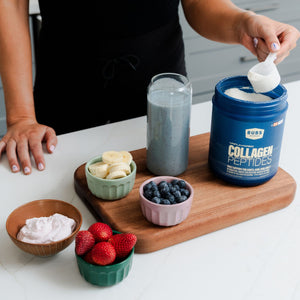
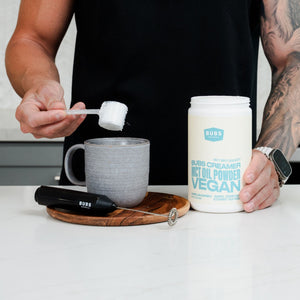
Stacking for Enhanced Support: Creatine monohydrate pairs well with other high-quality supplements to provide comprehensive wellness support. For instance, combining Creatine Monohydrate with Collagen Peptides can provide synergistic benefits, supporting not only muscle strength but also joint health, skin, hair, and nails—essential for active individuals. For sustained energy and mental clarity, particularly in the mornings, consider adding an MCT Oil Creamer – 10 oz Tub or Butter MCT Oil Creamer – 10 oz Tub to your coffee or smoothie.
Imagine a typical day fueling your adventure: You start your morning with a powerful blend that includes a scoop of Creatine Monohydrate for strength and Collagen Peptides for joint and connective tissue support. As you head out for a demanding workout, you carry a water bottle mixed with Hydrate or Die – Lemon to ensure optimal hydration and muscle function throughout your session. This holistic approach supports your body's natural functions and enhances your overall wellness, empowering you to tackle every challenge with resilience and vigor.
Our No-BS Approach to Wellness
At BUBS Naturals, our journey is deeply rooted in the legacy of Glen "BUB" Doherty, a true adventurer and an extraordinary individual whose spirit of purpose, wellness, and giving back inspires everything we do. We believe that optimal wellness should be accessible, effective, and straightforward—without the hype or confusion often found in the supplement world. This is our "no-BS" approach.
We are committed to providing clean, functional, and science-backed supplements that genuinely support your active lifestyle. From sourcing the highest quality, natural ingredients to rigorous third-party testing by organizations like NSF for Sport, every product we offer reflects our dedication to transparency and efficacy. We understand that you’re looking for tools that mix effortlessly into your daily routine and deliver tangible results, empowering you to live your life of adventure to the fullest.
But our mission extends beyond just crafting superior supplements. In honor of BUB's selflessness and service, we pledge to donate 10% of all our profits to veteran-focused charities. This commitment is a cornerstone of our brand, ensuring that every purchase you make not only supports your wellness journey but also contributes to a greater cause, making a meaningful difference in the lives of those who have served our country. When you choose BUBS Naturals, you're not just choosing a supplement; you're joining a community that believes in purpose, health, and honoring a profound legacy.
Conclusion
Navigating the world of creatine can seem daunting with the myriad of options available, but the science provides a clear path. While many forms exist, the distinction between "regular creatine" and creatine monohydrate is often one of terminology, with creatine monohydrate standing as the most widely researched, effective, and trusted form. Its proven ability to support strength, power, and exercise performance, coupled with its excellent safety profile and cost-effectiveness, makes it the undisputed gold standard for anyone looking to enhance their athletic endeavors and overall wellness.
Other forms, from micronized creatine to HCl and ethyl ester, often promise superior benefits or fewer side effects, but generally lack the robust scientific evidence to outperform creatine monohydrate. At BUBS Naturals, our commitment is to clarity and quality, providing you with truly functional, science-backed solutions. We stand by Creatine Monohydrate as the optimal choice to fuel your body and support your journey, just as we honor the adventurous spirit of Glen "BUB" Doherty in all we do.
We encourage you to make informed choices for your health and performance. By understanding the science and choosing supplements rooted in proven efficacy, you empower yourself to achieve your fitness goals and live a life filled with purpose and adventure. Experience the BUBS difference today and elevate your training with the foundational support of our Creatine Monohydrate.
FAQ
Is "regular creatine" different from creatine monohydrate?
In common usage, "regular creatine" almost always refers to Creatine Monohydrate. Creatine monohydrate is the most extensively studied and scientifically validated form of creatine available, serving as the benchmark against which all other creatine types are compared. While there are other forms (like HCl, ethyl ester, or buffered creatine), creatine monohydrate is the one with the broadest and deepest body of evidence supporting its effectiveness and safety for enhancing athletic performance and general wellness.
Does micronized creatine offer superior benefits compared to standard creatine monohydrate?
Micronized creatine is simply Creatine Monohydrate that has been processed into smaller particles, primarily to improve its mixability in liquids and potentially reduce stomach discomfort for some individuals. While it offers a smoother texture and dissolves more easily, scientific research has not shown that micronization leads to superior absorption, bioavailability, or greater performance benefits compared to standard creatine monohydrate. Both forms deliver the same active compound to your muscles, making the choice often a matter of personal preference for mixability and cost.
Are there any side effects associated with creatine monohydrate?
Creatine Monohydrate is generally considered very safe and well-tolerated for most healthy individuals when taken at recommended dosages. The most commonly reported, though rare, side effects include mild gastrointestinal discomfort (such as stomach upset or bloating) or muscle cramping, often due to insufficient hydration. It's crucial to maintain adequate fluid intake when supplementing with creatine. Long-term studies have debunked myths about creatine causing kidney or liver damage in healthy individuals. As with any supplement, if you have pre-existing medical conditions, it's always wise to consult with a healthcare professional.
How long does it take to see results from creatine monohydrate?
The timeframe to experience noticeable benefits from Creatine Monohydrate can vary, but generally, most users begin to see improvements within 2 to 4 weeks of consistent daily supplementation. If you opt for a "loading phase" (higher doses for the first 5-7 days), you might experience benefits more quickly, typically within a week. However, the most critical factor is consistent daily intake, which ensures your muscle creatine stores are fully saturated, allowing you to maximize its support for strength, power, and recovery.